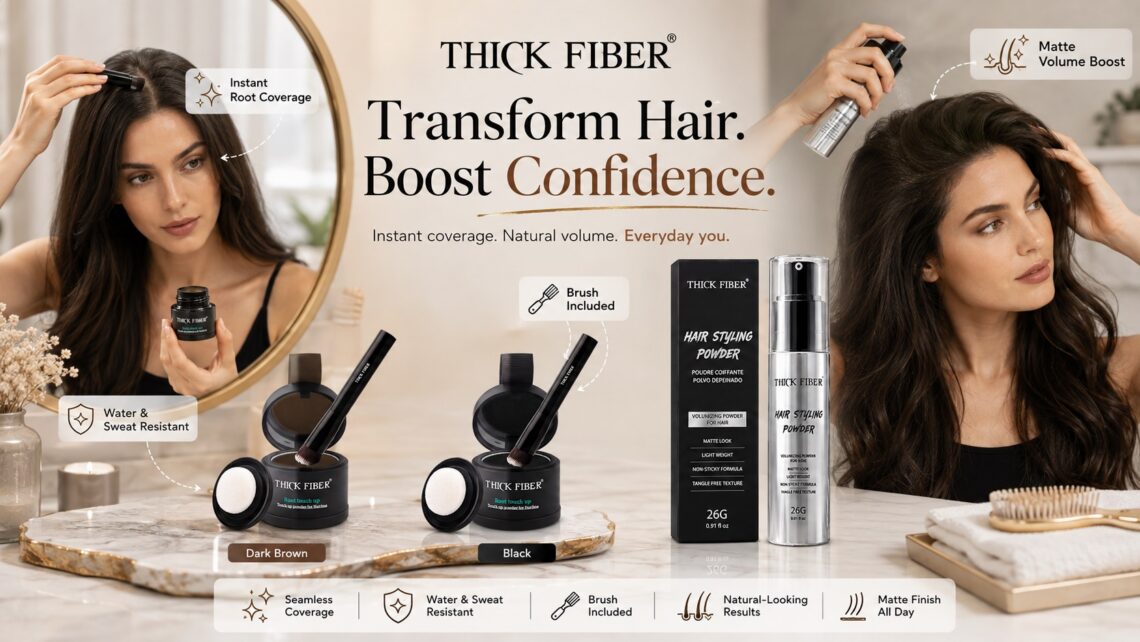
A Fuller Look Without the Fuss: Rethinking Everyday Hair Confidence
There’s a quiet moment most people with thinning hair know well. It happens under harsh bathroom lighting, or maybe in a passing reflection from a storefront window. You tilt your head slightly, adjust the angle, and wonder if it’s as noticeable to others as it is to you. Hair loss—whether gradual or sudden—has a way of reshaping not just your appearance, but your daily habits, your confidence, and even how long you linger in front of a mirror.
What’s changed in recent years is not the experience itself, but the way people are choosing to deal with it. Instead of committing immediately to invasive treatments or expensive long-term solutions, more individuals are exploring subtle, non-permanent ways to enhance what they already have. That’s where products like THICK FIBER enter the conversation—not as miracle cures, but as practical tools that help bridge the gap between how your hair looks now and how you’d prefer it to look.
And perhaps that’s the real appeal: not transformation, but restoration of a familiar sense of self.
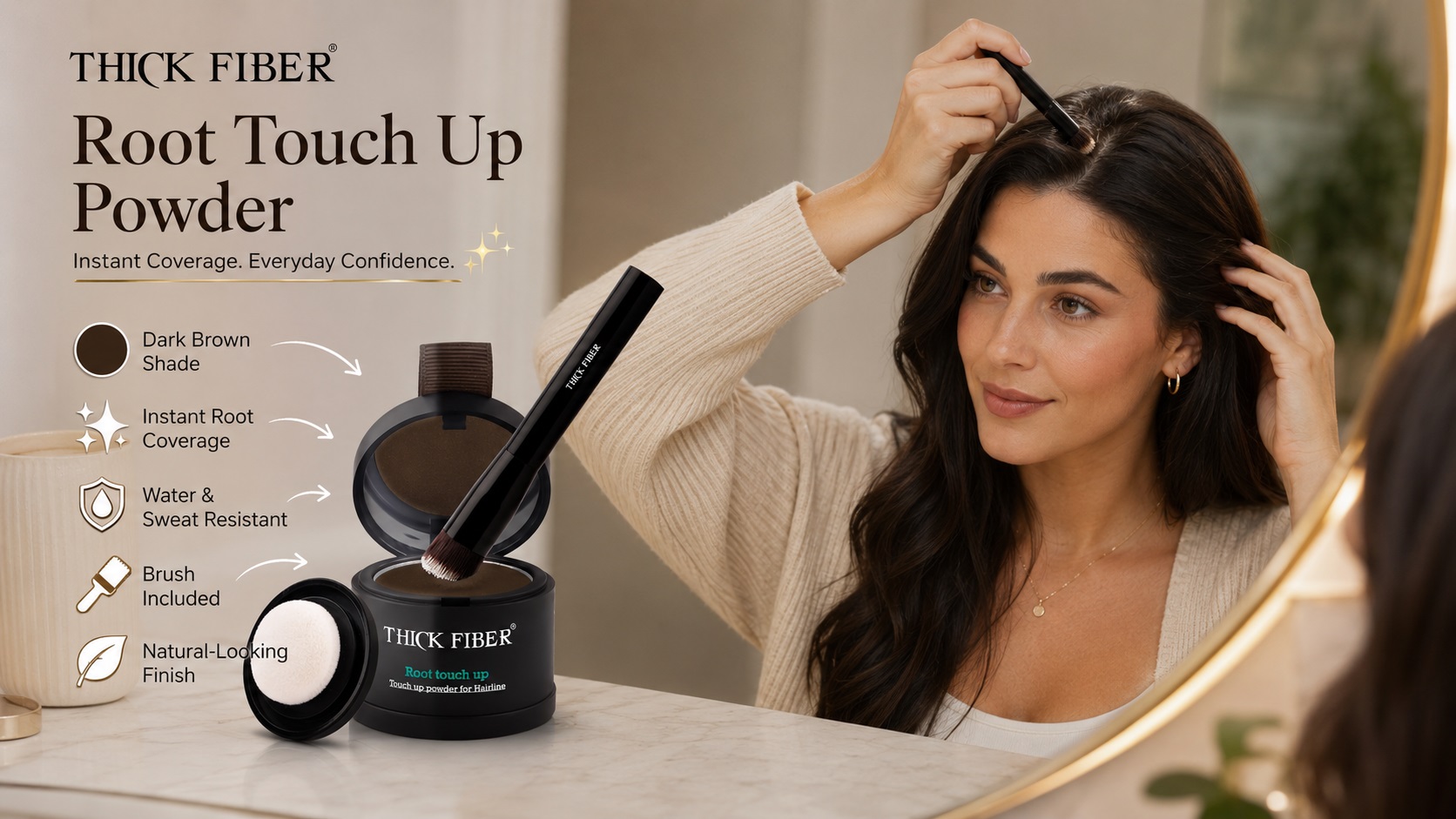
The Rise of Hair Building Fibers: A Quiet Shift in Grooming Culture
Hair building fibers aren’t new, but their popularity has grown steadily, especially among people who value subtlety over spectacle. Unlike sprays or gels that can sometimes feel heavy or artificial, fibers are designed to work with your existing hair. They cling to strands using static charge, creating the appearance of density where hair might be thinning.
This approach aligns with a broader shift in grooming culture. People aren’t necessarily trying to reinvent themselves—they’re trying to look like themselves on a good day. The kind of day where your hair sits just right without much effort.
What sets newer products apart is how refined they’ve become. Early versions could be messy, difficult to apply evenly, or prone to smudging. Today, brands like THICK FIBER have focused on improving not just performance, but usability. That includes better color matching, finer texture, and packaging that makes application more intuitive.
In other words, it’s no longer just about covering thinning spots. It’s about integrating seamlessly into a daily routine.
What Makes THICK FIBER Stand Out in a Crowded Market
When you first come across THICK FIBER, it’s easy to assume it’s similar to other products in the same category. But a closer look reveals thoughtful details that make a difference in real-world use.
For starters, the fibers themselves are designed to mimic the look and feel of natural hair. They’re lightweight, which means they don’t weigh down existing strands or create that stiff, overly styled appearance. Instead, they settle in a way that looks organic—even under bright lighting.
Another factor is color versatility. Matching your hair color is crucial; even a slight mismatch can make the product more noticeable than the thinning it’s meant to conceal. THICK FIBER offers a range of shades that blend rather than sit on top, allowing for a more convincing finish.
Application is also refreshingly straightforward. There’s no complicated prep routine. You simply apply the fibers to dry hair, focusing on areas where coverage is needed. A light pat or gentle styling helps distribute the fibers evenly.
And importantly, it’s designed to stay put throughout the day under normal conditions. That means you’re not constantly checking mirrors or worrying about whether your hairline has shifted since you left the house.
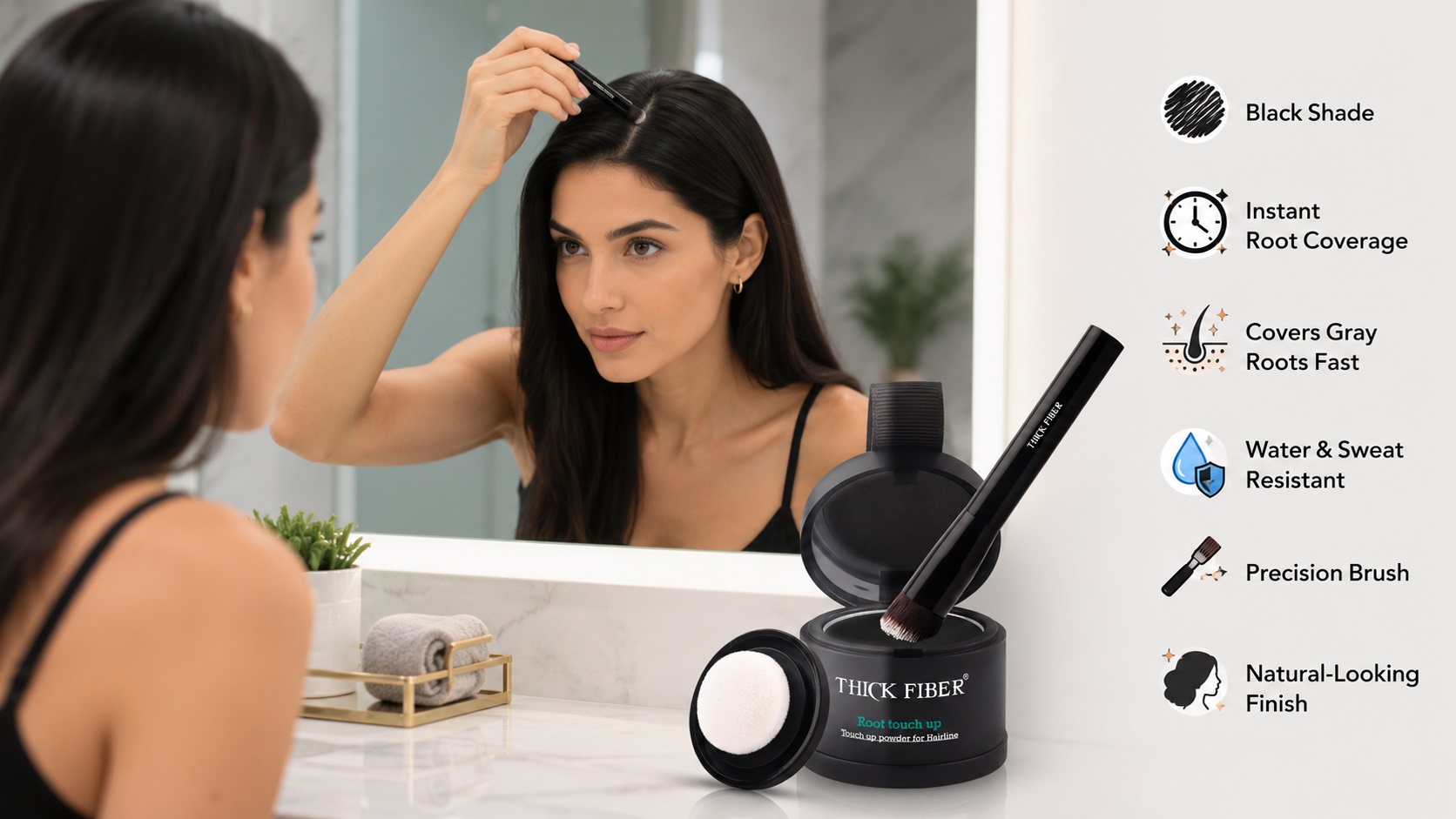
From Morning Routine to Evening Plans: How It Fits Into Daily Life
One of the most overlooked aspects of any grooming product is how it fits into the rhythm of a typical day. It’s one thing for something to work well in theory; it’s another for it to become a seamless part of your routine.
For many users, THICK FIBER becomes less of a “special occasion” product and more of a daily staple. It takes only a few extra minutes in the morning, yet can subtly shift how you feel heading into meetings, social events, or even casual errands.
There’s also a psychological element at play. When you’re not preoccupied with how your hair looks, you free up mental space for everything else. Conversations feel more natural. You’re less likely to adjust your posture or angle your head in photos. These small changes add up.
It’s not about perfection—it’s about reducing distraction. And sometimes, that’s exactly what people are looking for.
A Closer Look at Texture, Finish, and Realism
Let’s talk about something that doesn’t always get enough attention: how the product actually looks up close. Because while it’s easy to impress from a distance, the real test is whether it holds up under scrutiny.
The fibers in THICK FIBER are fine enough to blend with individual strands rather than clump together. This creates a more diffused effect, which is key to avoiding that “powdered” look that some products can leave behind.
There’s also the matter of shine. Natural hair reflects light in a specific way, and overly matte or overly glossy finishes can stand out. A balanced finish helps maintain the illusion of density without drawing attention.
Another subtle advantage is how the fibers interact with movement. Hair isn’t static—it shifts with wind, motion, and touch. A well-designed fiber product moves with your hair rather than resisting it, maintaining a consistent appearance throughout the day.
These are small details, but they’re the ones that determine whether a product feels like a temporary fix or a reliable solution.
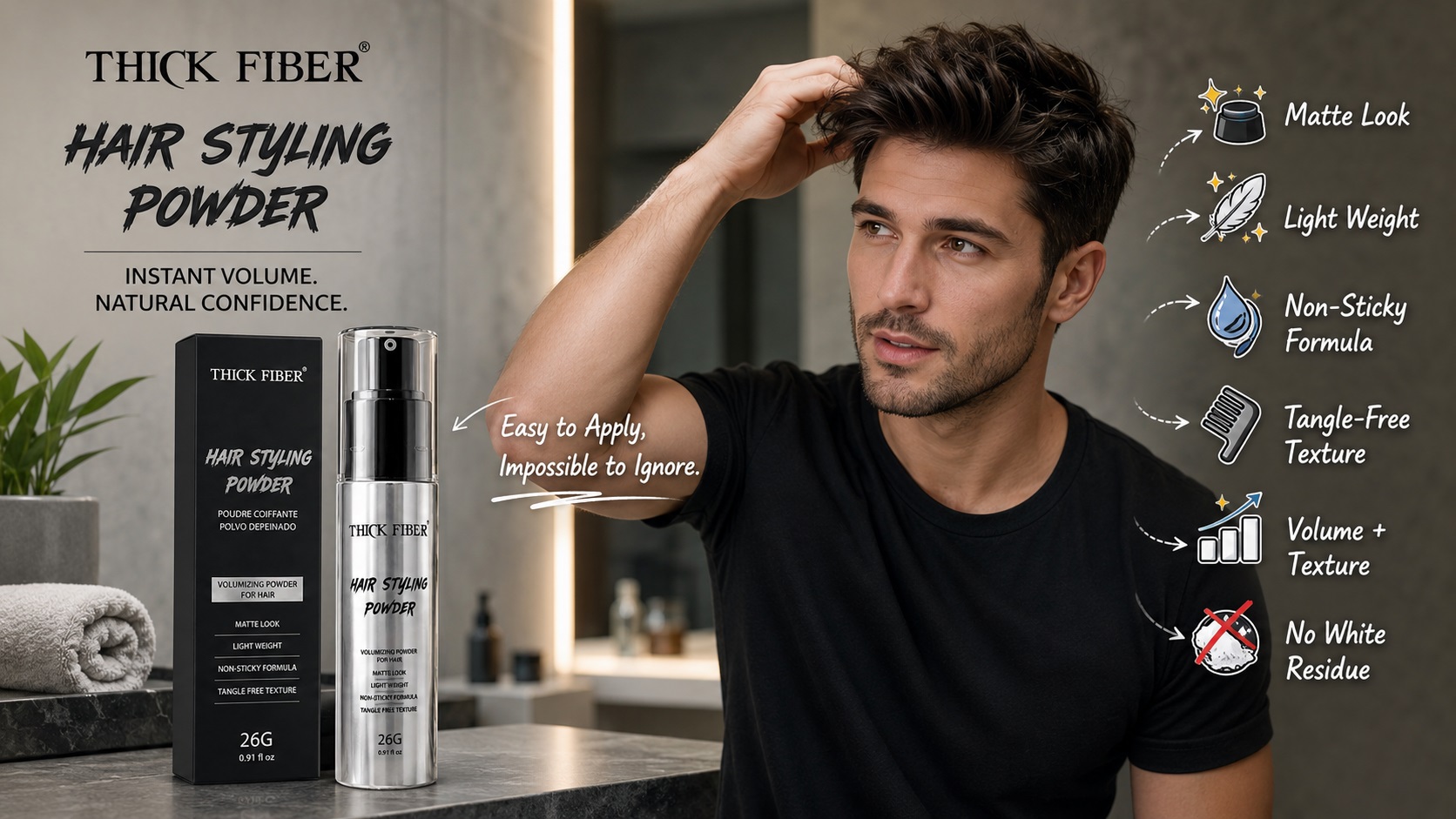
Who Benefits Most from Hair Fibers?
While hair fibers can be used by a wide range of people, they tend to be especially helpful in certain situations. If you’re in the early stages of thinning, they can provide a noticeable boost without requiring major changes to your routine.
They’re also useful for those who have uneven density—areas where hair is thinner but not completely absent. In these cases, fibers enhance what’s already there, creating a more uniform look.
Even individuals with generally thick hair sometimes use fibers to refine specific areas, such as the crown or hairline. It’s less about necessity and more about precision.
And then there are occasions—photoshoots, events, or important meetings—where you simply want your hair to look its best. Having a product like THICK FIBER on hand can make that preparation feel less stressful and more predictable.
Application Tips That Make a Noticeable Difference
Using hair fibers effectively isn’t complicated, but a few small techniques can elevate the result significantly.
First, start with completely dry hair. Moisture can interfere with how the fibers adhere, so it’s best to apply them after styling but before any finishing sprays.
Second, build gradually. It’s tempting to apply a generous amount right away, but layering in small increments allows for better control and a more natural look.
Third, consider your lighting. What looks perfect in dim lighting might appear different in bright daylight. Taking a moment to check your hair in multiple lighting conditions can help ensure consistency.
Finally, a light setting spray—if desired—can add extra hold, especially for longer days or outdoor conditions. While not always necessary, it can provide additional peace of mind.
Comparing Fibers to Other Hair Solutions
Hair fibers occupy a unique space in the spectrum of hair solutions. They’re not a replacement for medical treatments, nor are they as temporary as simply styling your hair differently.
Compared to topical treatments, fibers offer immediate results. There’s no waiting period, no uncertainty about whether they’ll work. You see the effect right away.
Compared to wigs or hairpieces, they’re far less intrusive. There’s no need for adhesives, adjustments, or maintenance routines that can feel cumbersome.
And compared to surgical options, they’re non-committal. You can use them as often or as rarely as you like, without making a long-term decision.
This flexibility is part of what makes them appealing. They adapt to your needs rather than requiring you to adapt to them.
The Subtle Confidence Factor
It’s easy to underestimate how much small changes in appearance can influence how you carry yourself. Hair, in particular, plays a significant role in first impressions—both how others perceive you and how you perceive yourself.
Using a product like THICK FIBER doesn’t drastically alter your look. Instead, it refines it. It brings you closer to a version of yourself that feels familiar and comfortable.
That familiarity can translate into confidence, not because you’re hiding something, but because you’re no longer distracted by it. And that distinction matters.
Confidence built on subtle improvements tends to feel more sustainable. It’s not tied to a dramatic change, but to a consistent sense of ease.
Maintenance, Longevity, and Practical Considerations
One of the practical advantages of hair fibers is how low-maintenance they are. There’s no complex upkeep involved. At the end of the day, they wash out easily with regular shampoo, leaving your hair ready for the next application.
The product itself is also designed to last through multiple uses. Because you apply only what you need, a single container can go a long way, depending on how frequently you use it.
Storage is simple—just keep it in a dry place, and it’s ready whenever you need it. There’s no special handling required.
These small conveniences contribute to the overall experience. When a product is easy to use and maintain, it’s more likely to become a consistent part of your routine.
Final Thoughts: A Practical Approach to Looking Your Best
There’s no single solution that works for everyone when it comes to hair. What matters is finding something that aligns with your preferences, your lifestyle, and your expectations.
THICK FIBER offers a straightforward, non-invasive way to enhance the appearance of your hair. It doesn’t promise dramatic transformations or permanent changes. Instead, it focuses on delivering reliable, natural-looking results that fit into everyday life.
For many people, that’s exactly what they’re looking for—a way to feel a little more like themselves, without adding complexity to their routine.
And sometimes, that’s more than enough.