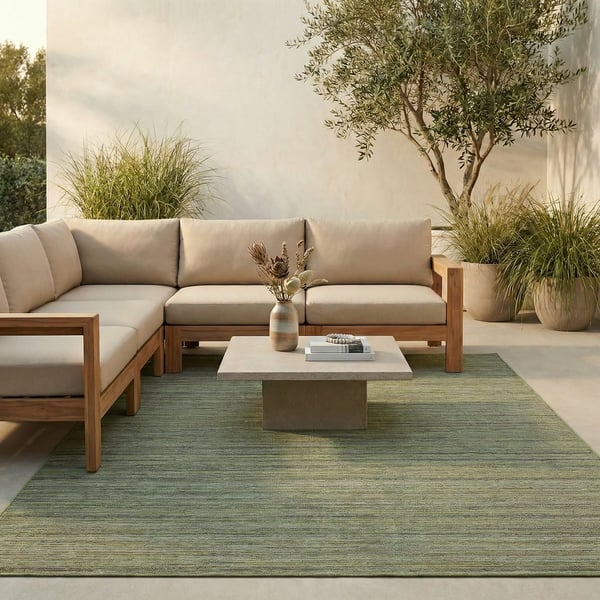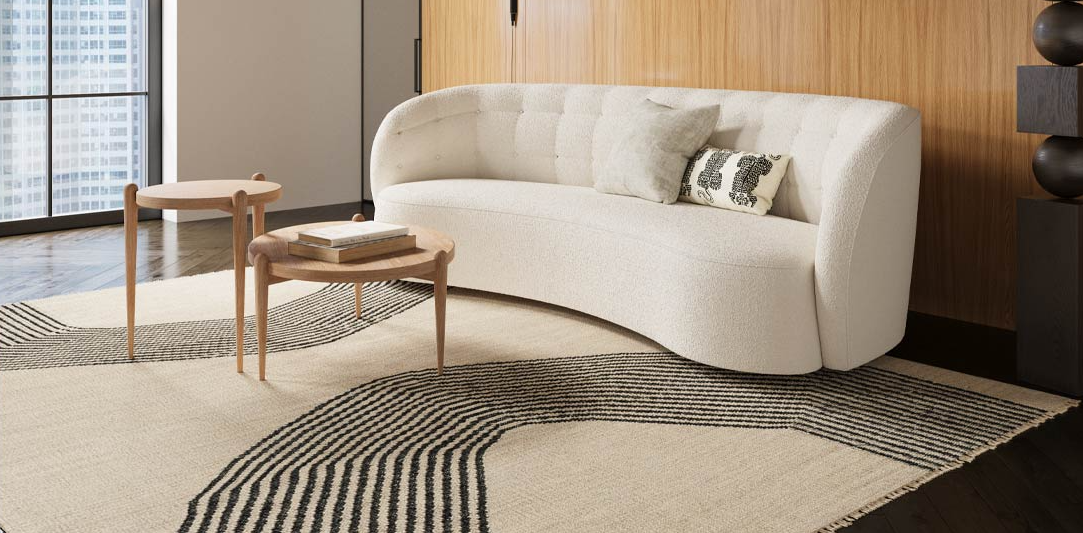
A rug can do far more than cover an empty patch of floor. It can quiet a room, define a seating area, warm up hard surfaces, and make a collection of furniture feel intentional rather than loosely assembled. Yet choosing one is rarely as simple as finding a pattern you like. Size, pile, material, color, traffic, pets, dining chairs, and the amount of daylight in a room all matter once the rug arrives at your door.
The good news is that there is no single “correct” rug for an entire home. A soft, substantial rug may be exactly right beneath a bed, while a low-profile, easy-clean option makes more sense under a busy dining table. The goal is not to make every room match perfectly. It is to make each space work better for the people who use it.
When browsing options from Rugs Direct, begin with the room itself rather than the rug. Consider how people walk through the space, where furniture lands, what kind of messes are likely, and whether the room needs a quiet supporting layer or a more expressive focal point.
Start With Scale, Not Pattern
The most common rug mistake is choosing a size that is too small. A rug may look generous in a product image but feel like a postage stamp once it is surrounded by a sofa, chairs, and tables. In most rooms, a larger rug creates a calmer, more finished impression because it gives the furniture a shared foundation.
Before shopping, use painter’s tape to outline a few possible rug dimensions on the floor. Walk around the taped shape. Open doors. Pull out dining chairs. Sit on the sofa and notice where your feet would land. This low-effort exercise often reveals more than trying to estimate dimensions from memory.
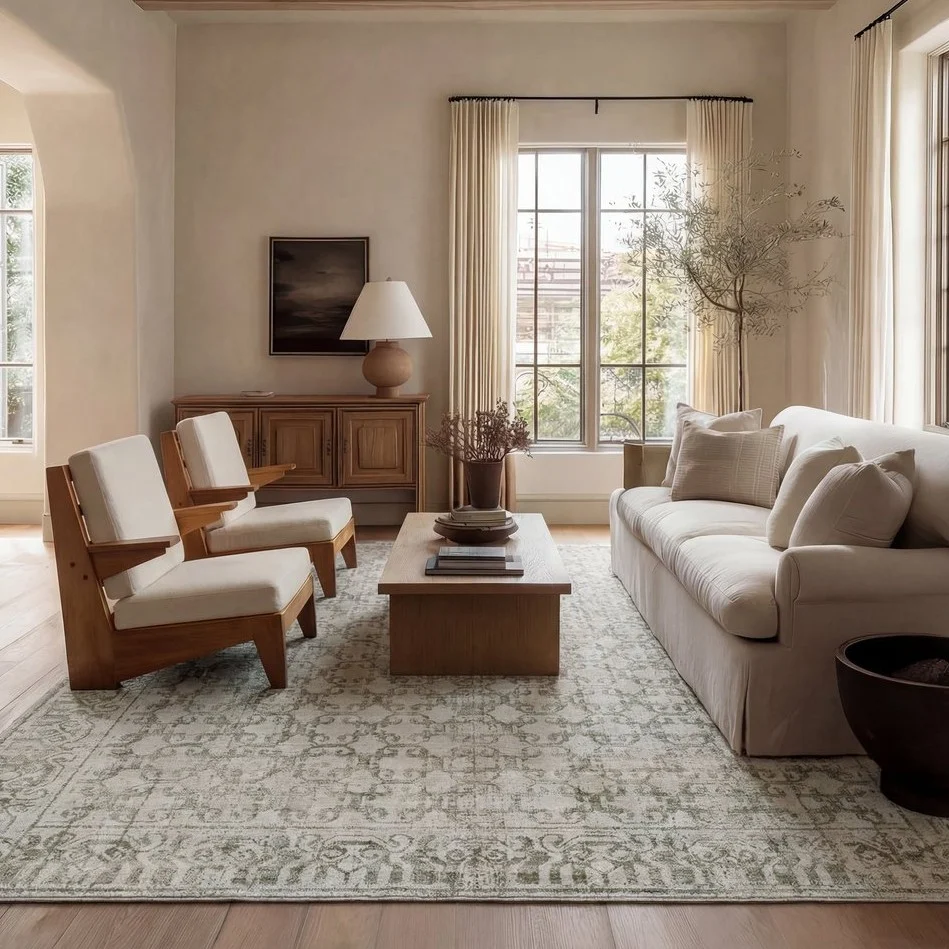
In a living room, the rug should generally connect the principal seating pieces. At a minimum, the front legs of the sofa and chairs should rest on it. In a larger room, allowing all furniture legs to sit on the rug can create a more polished, anchored arrangement. A smaller rug can work in a compact space, but it should still feel related to the seating group rather than float in the center of the room.
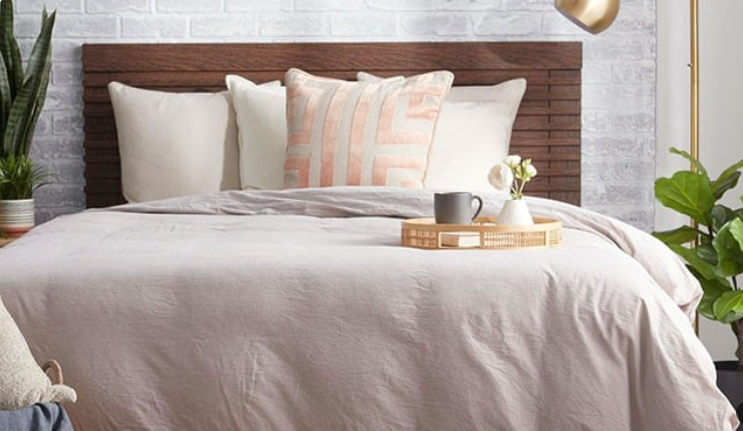
For bedrooms, think about the first surface your feet touch in the morning. A rug placed under the lower two-thirds of the bed can extend beyond both sides and the foot, adding softness without disappearing under heavy furniture. Alternatively, runners placed on either side of the bed offer a practical solution when the bed frame, layout, or budget makes a large area rug less appealing.
It helps to view the selection at Rugs Direct with a measured floor plan nearby. Record the room dimensions, furniture footprint, door clearances, and any vents or floor outlets. Those few notes make filtering choices much easier and reduce the chance of falling for a rug that is beautiful but impractical.
The Living Room: Build a Visual Landing Place
Living rooms ask a rug to do several jobs at once. It has to bring together upholstery, tables, lighting, and accents while standing up to conversation, movie nights, visitors, and everyday lounging. For that reason, balance is usually more important than making a dramatic statement immediately.
If the sofa is a solid neutral, a patterned rug can introduce movement and personality. If the room already includes patterned curtains, artwork, or bold cushions, a textured solid or softly variegated design may provide welcome relief. Neither approach is inherently better; the strongest choice is the one that gives the eye a place to rest.
Material matters here as well. Wool is often appreciated for its comfortable feel and natural texture, while synthetic constructions can be appealing in homes that need straightforward care. Flatweaves offer a streamlined look and can be especially useful beneath furniture with slim legs. A plusher pile feels inviting, though it may be less convenient for a coffee table that needs to sit perfectly level.
Color should be considered in the context of the whole room. A pale rug can make a dim space feel more open, but it may ask more of a household with children or pets. A deeper tonal rug can disguise the visual noise of daily life while still looking refined. Browse with your sofa fabric, paint sample, or a few phone photos of the room in hand when comparing styles from Rugs Direct.
The Dining Room: Prioritize Chair Movement
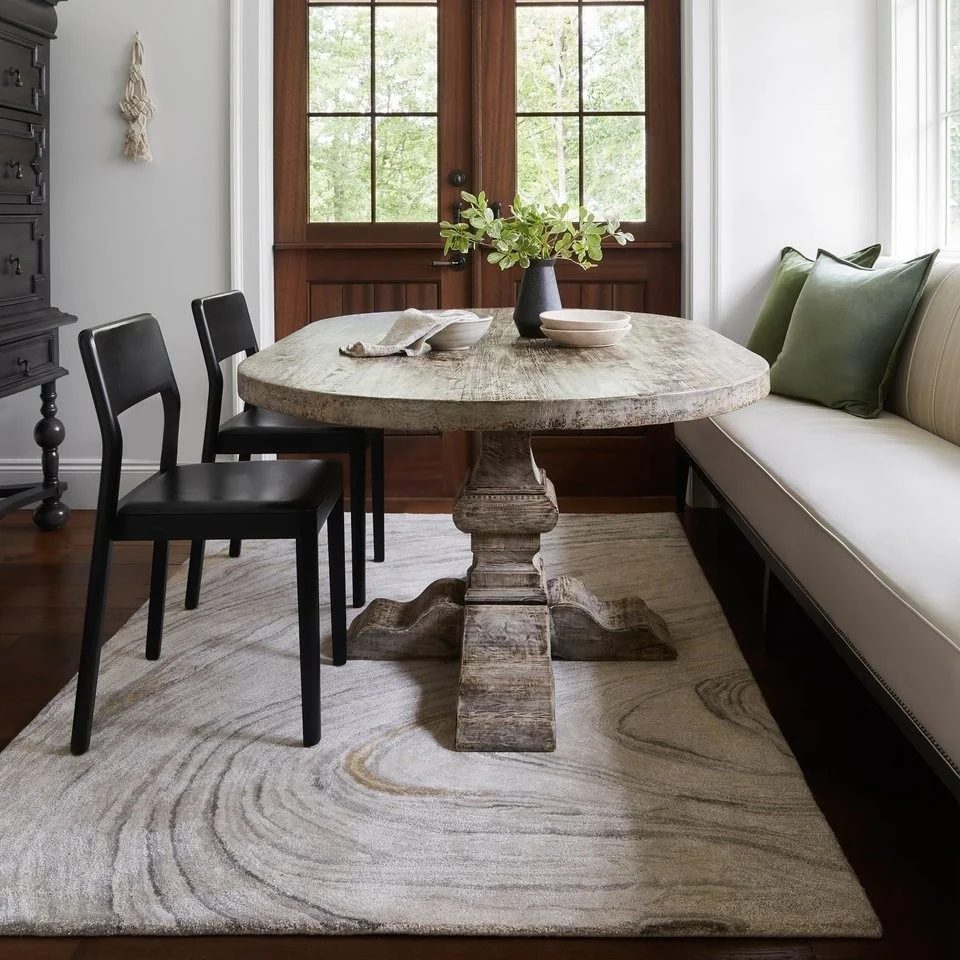
Dining rooms tend to expose sizing errors quickly. The rug needs to accommodate not only the table but also chairs when they are pulled out. If chair legs catch on the rug edge every time someone sits down, the rug will feel frustrating no matter how attractive it looks.
A practical rule is to measure the dining table and add enough room on every side for chairs to remain on the rug when extended. Do not forget to test the route from the dining table to the kitchen or serving area. A thick rug can be lovely, but the room may work better with a flatter weave if chairs are moved frequently.
Pattern is particularly useful in a dining room because meals have a way of becoming memories on the floor. A rug with visual variation, medium-to-deep tones, or a layered motif can be more forgiving than a pale, uninterrupted field of color. That does not mean you must choose something dark. It simply means the rug should suit the way you actually entertain, not the way you imagine the room on a perfect Sunday afternoon.
For a round table, a round rug often reinforces the shape gracefully. For long rectangular tables, a rectangular rug is usually the natural companion. In more eclectic homes, contrast can work too—but make the contrast deliberate. A rounded rug beneath a rectangular table should look like a confident design choice, not an accidental mismatch.
For dining spaces that need durability without sacrificing style, it is worth comparing low-profile and easy-care options through Rugs Direct. A rug that supports everyday use will serve the room better than one that makes every meal feel overly precious.
The Bedroom: Choose Comfort With a Sense of Proportion
A bedroom rug is less about making an entrance and more about shaping the mood. It can soften the contrast between bedding and flooring, create a sense of quiet, and make the room feel less sparse. Because bedrooms are usually lower-traffic than living rooms, they also offer more freedom to choose a softer texture or lighter palette.
The bed should remain the visual center. If your bedding is simple, a rug with a subtle botanical, vintage-inspired, geometric, or abstract pattern can add depth below it. If the bed already has a dramatic upholstered headboard, layered linens, and bold art, a calm rug may be the element that keeps the room from feeling overworked.
One useful approach is to choose a color that appears somewhere else in the room, even in a small amount. A muted blue pulled from a pillow, a warm rust tone echoed in a bedside lamp, or a gentle beige related to the wall color can make the rug feel integrated without being overly coordinated.
For a guest room, select a rug that makes the space feel welcoming but not overly specialized. A versatile neutral with texture, or a classic pattern in softened colors, can work with changing bedding and seasonal accents. A well-scaled piece from Rugs Direct can also make a small guest room appear more thoughtfully furnished, even when the rest of the decor is minimal.
The Kitchen: Add Softness Where You Stand
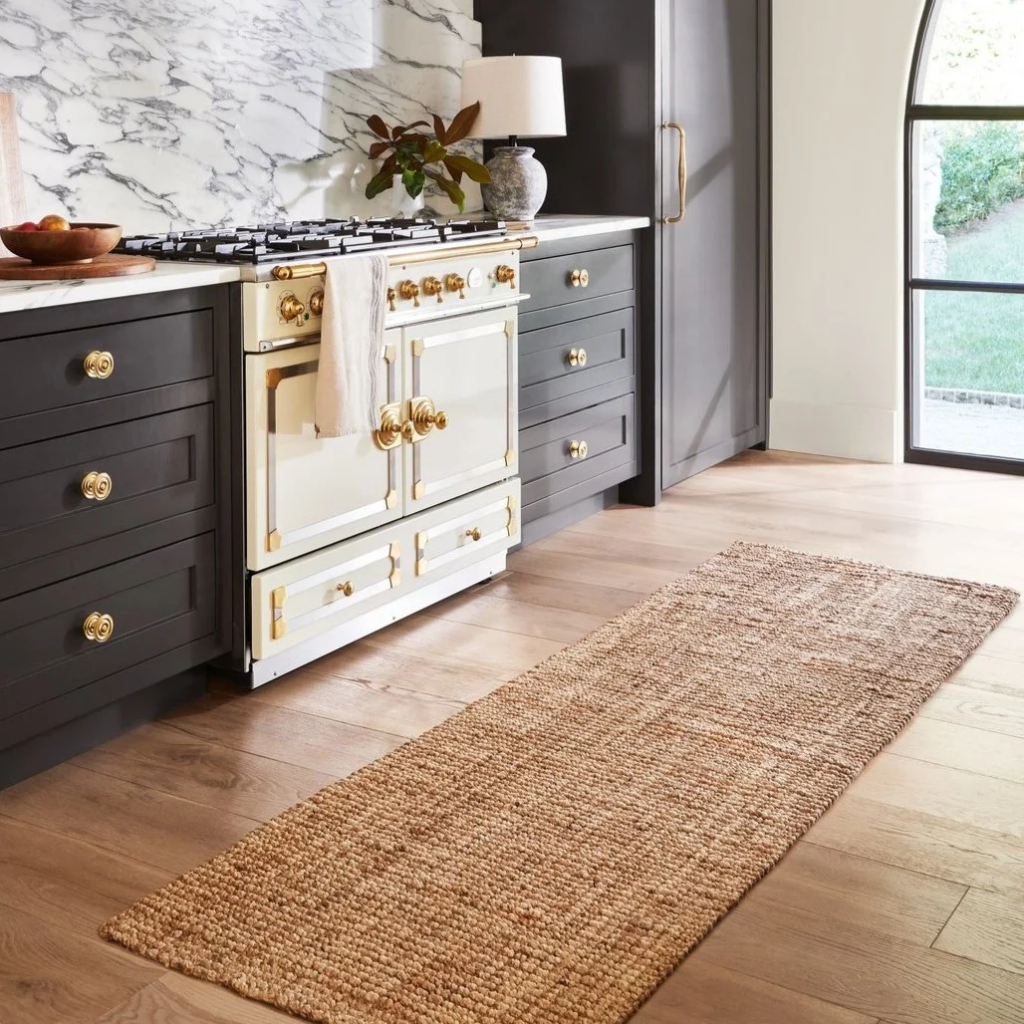
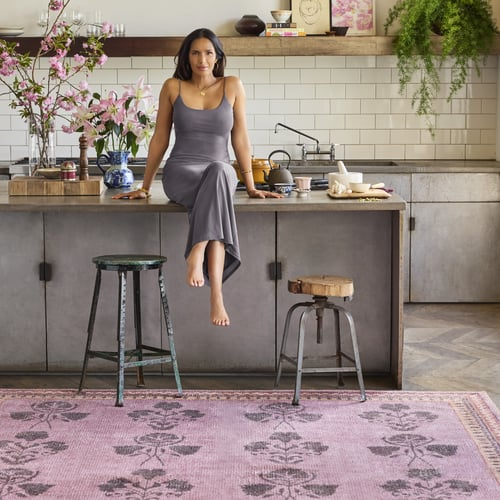
Kitchens are often overlooked in rug planning, yet they are among the places where a rug can make the most immediate difference. A runner in front of the sink, along an island, or through a galley kitchen adds visual warmth and gives your feet a more forgiving surface during meal prep.
Function should lead here. Look for a construction and color palette that fit a hardworking environment. Low-profile rugs tend to be easier to manage around cabinet doors and are less likely to interfere with movement. Designs with pattern or tonal variation can help a kitchen feel relaxed rather than overly concerned with every small splash.
Measure carefully around appliances, islands, and door swings. A runner should not block a dishwasher from opening or create a tripping point near a frequently used entrance. In a narrow kitchen, leave a clean strip of floor visible along the cabinets so the rug feels intentional rather than wall-to-wall by accident.
A kitchen rug does not need to match the dining room rug exactly. Instead, let them share a mood: perhaps both include warm earth tones, a touch of blue, or a traditional-inspired pattern. Coordinating this way feels collected and natural. For ideas that suit high-use areas, explore the range at Rugs Direct.
Entryways and Hallways: Think of Them as First Impressions
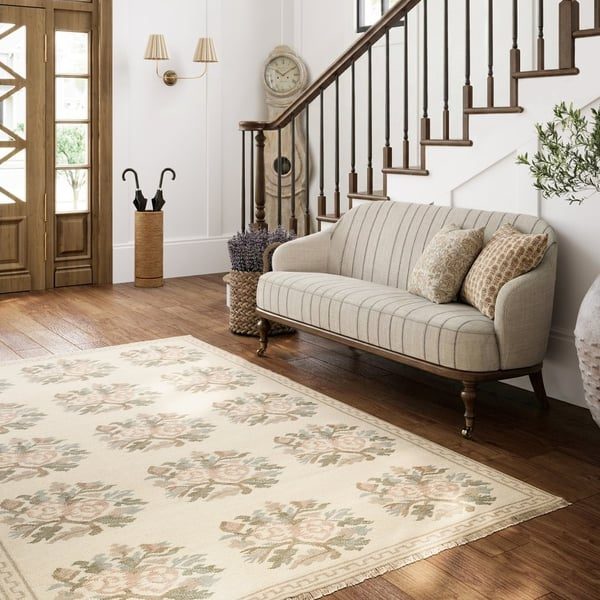
An entryway rug has an outsized role. It introduces the home’s character, handles shoes and bags, and often has to work within a limited footprint. A runner or compact area rug can make a plain entry feel established, especially in homes where the front door opens directly into a living space.
Choose a scale that respects the architecture. A rug should not crowd the threshold, wedge beneath the door, or cover every inch of visible flooring. Leaving a border around it usually looks more composed. In a hallway, a runner should feel centered and leave space along both sides whenever possible.
This is a good place for color, pattern, and a bit of confidence. Entryways are transitional spaces, so a rug can carry a stronger motif than you might want under a large sofa. A classic border, an abstract composition, or an earthy vintage-style palette can set the tone before guests see the rest of the home.
Because entry rugs work hard, consider how easily they can be maintained before committing. A piece that complements your home and suits the realities of outdoor shoes will be far more satisfying over time. Options at Rugs Direct can help you compare styles without treating the entryway as an afterthought.
Bathrooms, Home Offices, and Other Small Spaces
Smaller rooms are where rugs can be especially expressive. A bathroom may benefit from a narrow washable-looking accent that adds softness to tile. A home office can feel less utilitarian with a rug that defines the desk zone and improves the room’s acoustics. A nursery may call for a softer surface, while a reading corner can become more inviting with one well-chosen piece under a chair and side table.
In a home office, consider chair movement. A thick pile may not be ideal if an office chair rolls across it all day. A flatter surface can make the workstation more functional, while a larger rug can still bring warmth and visual structure to the room.
For a reading nook, the opposite may be true. Texture can be part of the appeal. A small rug can help separate the nook from the larger room, especially when paired with a lamp, armchair, and a small table. It is a simple way to create the feeling of a destination within an open floor plan.
These compact areas are also a smart place to test a color or pattern you would not choose for a large room. A lively runner, a deep jewel tone, or a detailed traditional design can have plenty of impact without overwhelming the home. For those finishing touches, Rugs Direct offers a useful starting point.
How Material and Texture Change the Experience
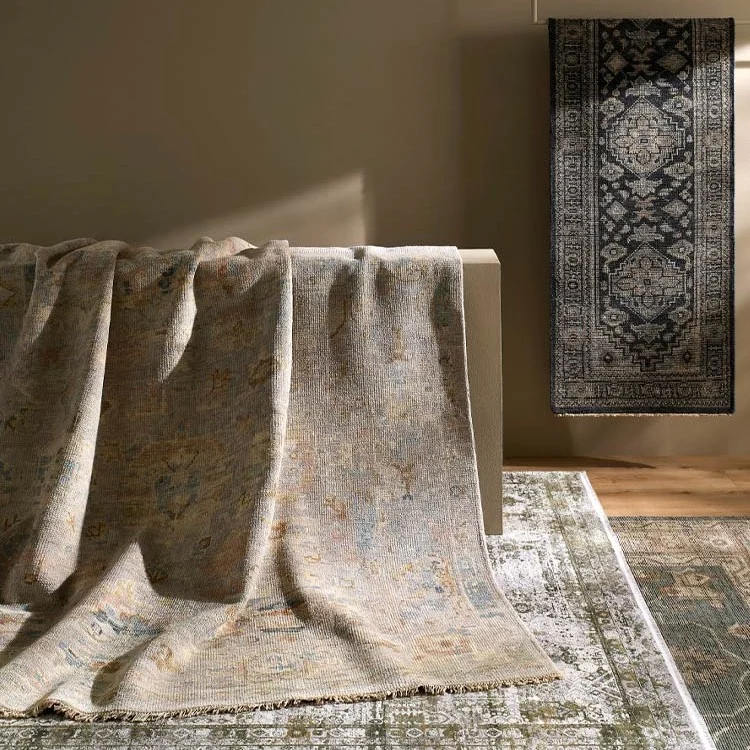
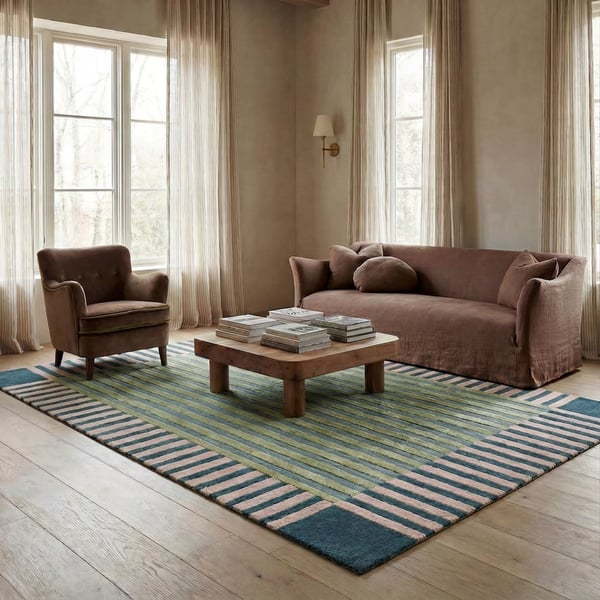
Rug material affects more than maintenance. It changes how a room sounds, feels, and functions. A dense, cushioned rug may make a bedroom feel more luxurious, while a flatweave can add texture without visual heaviness. In rooms with lots of smooth surfaces—glass, metal, painted walls, hardwood floors—texture often prevents the space from feeling cold.
Natural fibers can bring beautiful variation and an organic character, though they may require consideration depending on the room and household. Synthetic fibers can offer practical appeal, especially for spaces with frequent activity. Blended constructions may provide a middle ground. The best choice is not necessarily the most expensive material; it is the one that aligns with the room’s demands.
Also pay attention to pile height. A higher pile can feel wonderful underfoot but may make doors harder to open or furniture less stable. A lower pile works well in places where chairs slide, doors swing, or foot traffic is frequent. If a rug feels too thin for the room, a quality rug pad can add cushioning, help it stay in place, and protect the floor beneath.
When comparing textures on Rugs Direct, picture the rug in use rather than simply imagining it in a styled photograph. Will the dog nap there? Will children build blocks on it? Will you walk across it barefoot every morning? The answers are often more useful than trend predictions.
Color, Pattern, and the Art of Not Overmatching
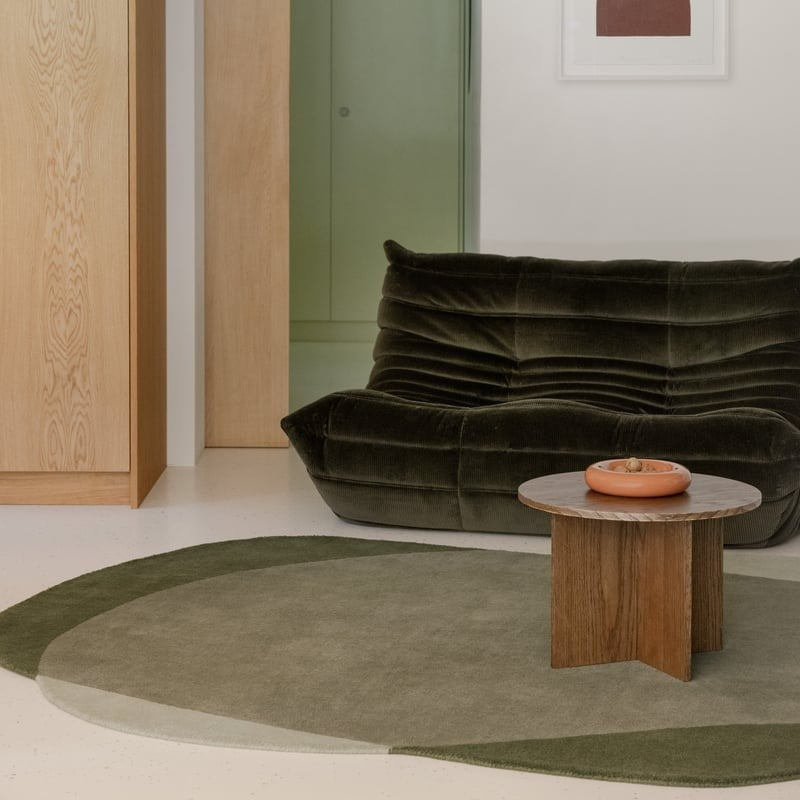
Many people worry that a rug must match everything exactly. In reality, exact matching can make a room feel flat. A better goal is conversation between elements. The rug can repeat one shade from the artwork, contrast with the sofa, or introduce a warmer undertone that balances cool walls.
If you are uncertain, start with undertones. A gray sofa may lean blue, green, brown, or violet. A white wall may be crisp, creamy, or softly warm. Floors can have golden, red, neutral, or gray casts. Once you notice these underlying colors, it becomes easier to choose a rug that belongs in the room.
Pattern scale matters too. Large-scale patterns often read more quietly from a distance, while small, intricate patterns can create a richly detailed effect. If the room contains many small accessories, a larger-scale rug design may feel cleaner. If the furniture is simple and spacious, a detailed rug can add welcome interest.
Do not be afraid of imperfect symmetry. Homes feel more personal when a rug complements the room rather than behaving like a matching set. The goal is a layered, lived-in result—something you can continue building around over time. A broad selection from Rugs Direct makes it easier to compare different moods before settling on one.
A Practical Checklist Before You Order
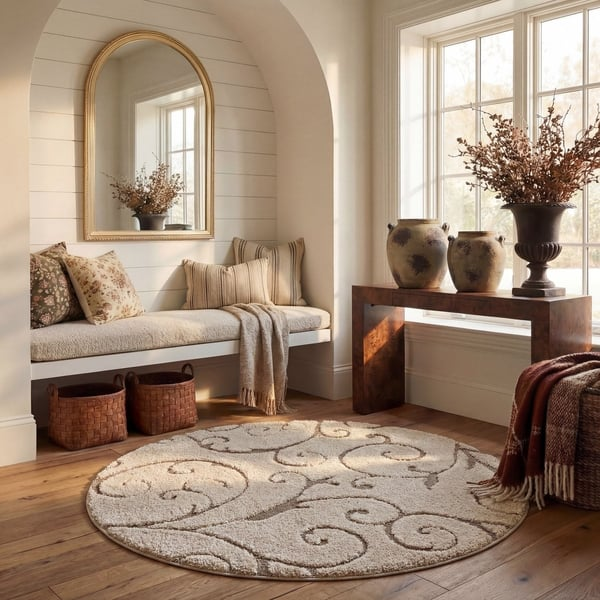
Before finalizing a rug, pause for a quick reality check. This is where a little planning protects you from expensive frustration.
- Measure twice. Include the space needed for chairs, door swings, and walkways.
- Check the furniture plan. Decide whether front legs or all legs will sit on the rug.
- Consider the room’s traffic. Choose pile, material, and pattern with daily use in mind.
- Look at samples in daylight and evening light. Colors can shift dramatically throughout the day.
- Think about edges. Make sure the rug will not create an awkward obstacle at a doorway or transition.
- Plan for a rug pad when appropriate. It can improve comfort, grip, and longevity.
- Give yourself room to live with it. A rug should support the room’s real routines, not just a single styled moment.
If you are redesigning several rooms, avoid buying every rug in one rushed session. Start with the largest or most central space, then let that choice guide the next room. A living room rug, for example, can establish the home’s broader color direction. From there, the dining room, hallway, and bedroom can echo the palette without repeating it.
That gradual approach also makes your home feel gathered rather than staged. A great rug has presence, but it should still leave room for books, art, furniture, and the small personal details that make a house unmistakably yours. Whether you need a quiet foundation or a bolder finishing layer, Rugs Direct can be part of the process of finding a rug that truly fits the room—and the life happening inside it.
Ultimately, the right rug is the one that solves a problem while adding pleasure. It may make a large room feel connected, turn a bedroom into a softer retreat, protect a busy dining area, or give an entryway the welcome it was missing. Once you choose with proportion, purpose, and everyday use in mind, the rug becomes more than decor. It becomes the layer that helps the entire room settle into place.