There’s a certain moment every gamer recognizes: the instant when your input feels perfectly in sync with what’s happening on screen. No lag, no hesitation—just pure responsiveness. It’s a small detail on paper, but in practice, it’s the difference between a clean win and a frustrating loss. That’s where hardware stops being background equipment and starts becoming part of your performance.
FLYDIGI has been quietly building a reputation around that exact idea—precision play that doesn’t get in your way. If you’ve spent any time browsing controller upgrades or mobile gaming accessories, you’ve probably seen the name pop up more than once. But what actually sets it apart? And more importantly, does it live up to the expectations of players who care about responsiveness, customization, and durability?
This isn’t a quick product roundup or a spec-sheet breakdown. Instead, think of it as a closer look at what makes FLYDIGI controllers and accessories worth considering, especially if you’re serious about how your games feel—not just how they look.
Precision Isn’t a Buzzword—It’s a Feeling
Most brands talk about precision as if it’s a feature you can simply toggle on. In reality, it’s the result of several subtle design choices working together: sensor accuracy, button tension, latency optimization, and ergonomic balance.
FLYDIGI leans heavily into this layered approach. Instead of chasing flashy gimmicks, their controllers focus on responsiveness that feels immediate and predictable. That predictability matters more than people realize. When your inputs behave consistently, your brain stops compensating for hardware imperfections—and that’s when your real skill starts to show.
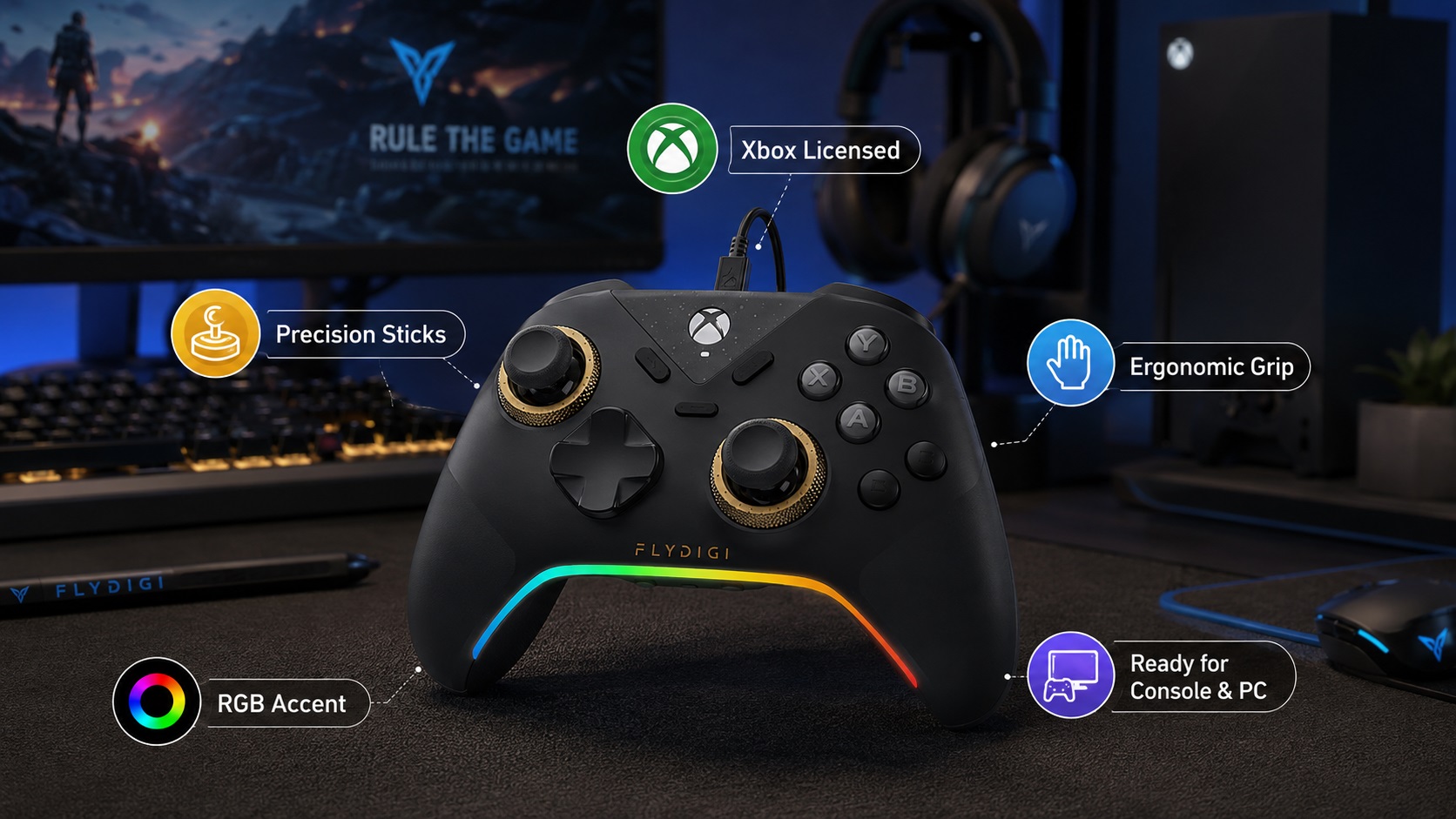
Take analog sticks, for example. Many standard controllers suffer from slight inconsistencies in tracking, especially near the edges of movement. It’s the kind of thing you don’t consciously notice until you switch to something better. FLYDIGI’s tuning tends to favor smoother transitions and more reliable centering, which translates into better aim control in shooters and more precise movement in action games.
It’s not about reinventing the controller—it’s about refining it.
Designed for the Way People Actually Play
One of the more interesting aspects of FLYDIGI’s product lineup is how clearly it reflects modern gaming habits. Players aren’t tied to a single platform anymore. A typical setup might include a PC, a mobile device, maybe even cloud gaming sessions in between. Controllers that can’t adapt to that reality feel outdated quickly.
FLYDIGI embraces cross-platform flexibility in a way that feels practical rather than forced. Switching between devices doesn’t require a complicated setup process, and the controllers themselves are designed to handle different input expectations across platforms.
That versatility becomes especially noticeable in mobile gaming. Touch controls have improved, but they still can’t replicate the tactile feedback of physical buttons. FLYDIGI’s mobile-friendly designs bridge that gap without feeling like an afterthought. The grip, button placement, and responsiveness are all tailored for extended sessions—not just quick matches.
Customization That Actually Matters
Customization can easily turn into a checkbox feature—something brands include because it sounds good in marketing. But real customization should serve a purpose. It should help players adapt their setup to their playstyle, not just give them more settings to scroll through.
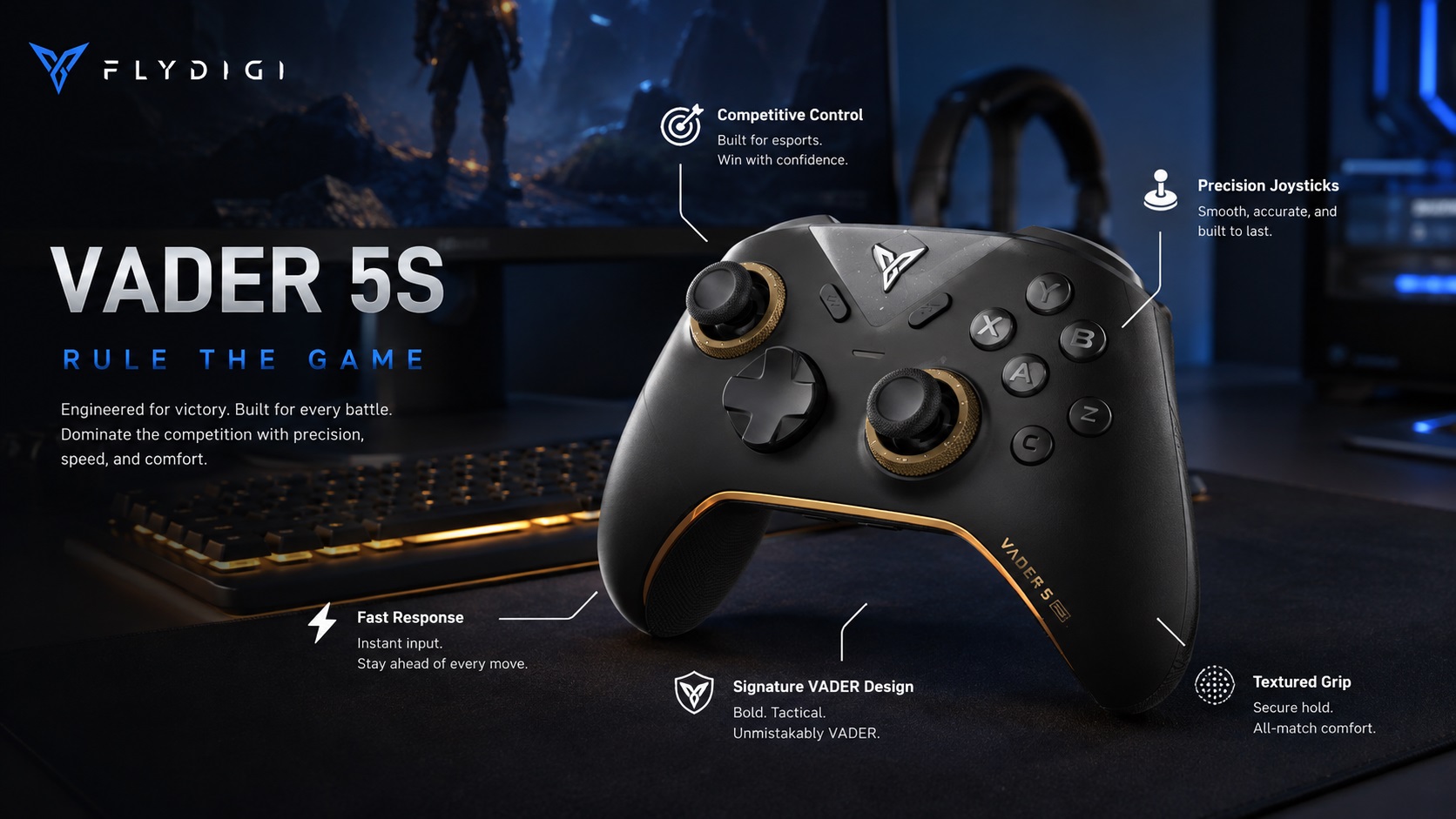
FLYDIGI approaches customization with that philosophy in mind. Adjustable triggers, programmable buttons, and sensitivity tuning aren’t just there for show—they’re tools. And when used properly, they can significantly change how a controller feels in your hands.
For competitive players, even minor adjustments can have a measurable impact. A slightly shorter trigger pull can shave off reaction time. Remapping buttons can reduce finger movement during critical moments. These aren’t dramatic changes individually, but together they create a more efficient input system.
If you’re curious about how these features come together in real-world use, it’s worth exploring what FLYDIGI offers across its lineup. The differences between models often come down to how deep you want to go with customization.
Build Quality: The Part You Notice Over Time
It’s easy to judge a controller based on first impressions—how it looks, how it feels out of the box. But build quality reveals itself over weeks and months of use. Buttons either maintain their responsiveness or start to feel mushy. Sticks either stay accurate or develop drift. Materials either hold up or show wear quickly.
FLYDIGI’s controllers tend to land on the more durable side of the spectrum. The button feedback remains consistent even after extended use, and the overall construction feels solid without being overly heavy. That balance is important. A controller that’s too light can feel cheap, while one that’s too heavy becomes tiring during long sessions.
There’s also an attention to detail in how different components interact. Triggers don’t just function—they feel deliberate. Shoulder buttons have a clear actuation point. Even the texture of the grip contributes to a more secure hold, especially during intense gameplay.
These are the kinds of details that don’t show up in spec sheets but make a noticeable difference in daily use.
Latency and Responsiveness: Where It Really Counts
Latency is one of those topics that can get overly technical very quickly. But from a player’s perspective, it boils down to a simple question: does the controller keep up with you?
FLYDIGI places a strong emphasis on minimizing input delay, particularly in wireless modes. That’s crucial, because wireless convenience often comes at the cost of responsiveness. A well-optimized connection can make the difference between a controller that feels instant and one that feels slightly off.
In fast-paced games—think shooters, fighting games, or competitive multiplayer titles—that difference becomes obvious. Inputs need to register exactly when you expect them to. Even a small delay can disrupt timing and throw off your rhythm.
What’s interesting is how FLYDIGI manages to maintain responsiveness without sacrificing stability. The connection remains reliable, even in environments with multiple wireless devices competing for signal space.
A Closer Look at Ergonomics
Ergonomics is often treated as a secondary consideration, but it shouldn’t be. A controller that feels uncomfortable after an hour isn’t just inconvenient—it actively affects your performance.
FLYDIGI’s designs prioritize comfort in a way that feels intentional rather than generic. The contours of the controller fit naturally in the hands, and the button layout minimizes unnecessary finger movement. Over longer sessions, that translates into less fatigue and more consistent input.
What stands out is how the design accommodates different grip styles. Whether you prefer a relaxed hold or a more aggressive grip during competitive play, the controller adapts without feeling awkward.
This flexibility is particularly valuable for players who switch between game genres. A controller that works well for shooters should also feel comfortable in racing games or platformers. FLYDIGI manages to strike that balance effectively.
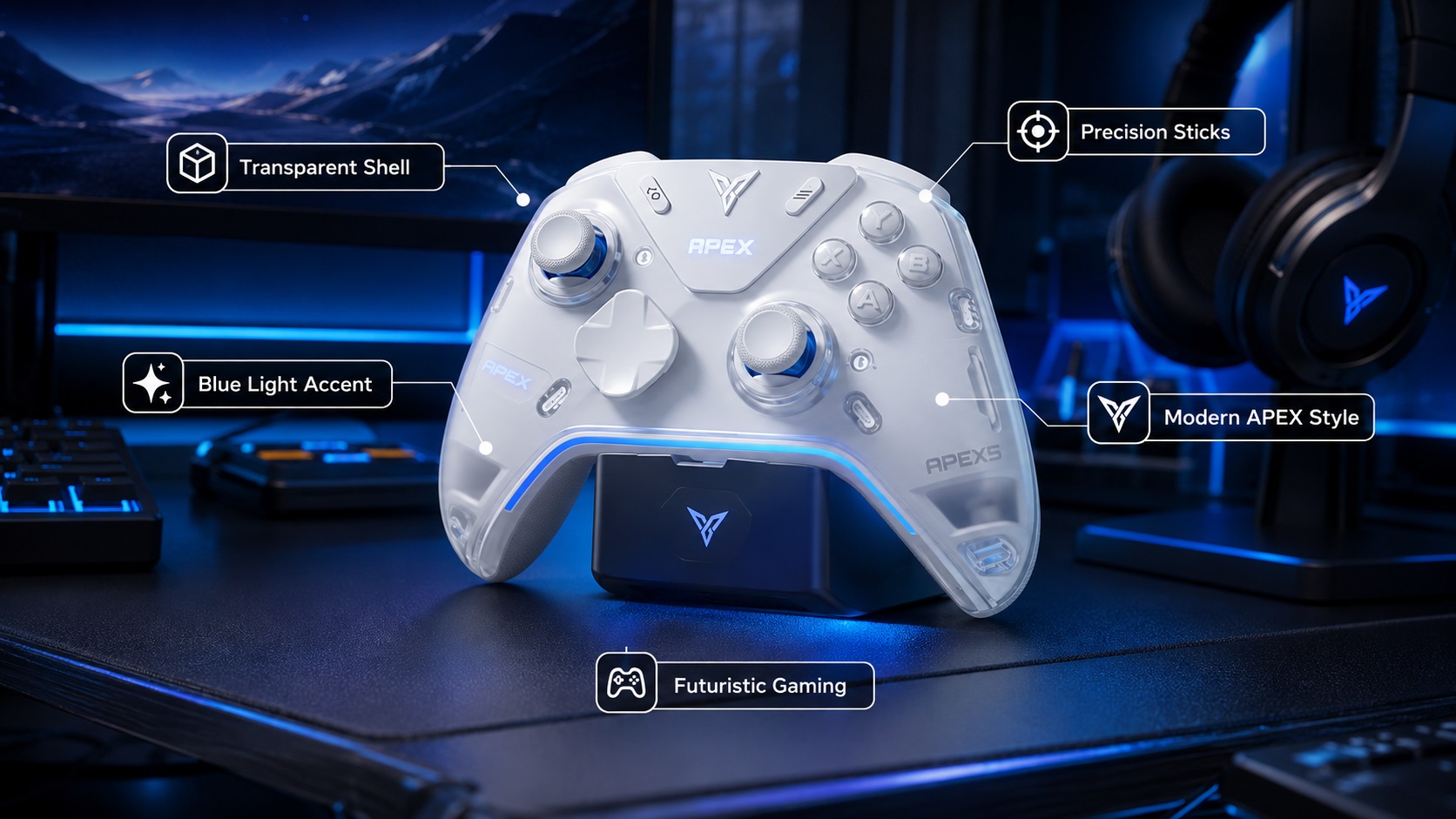
Accessories That Extend the Experience
Controllers are just one part of the equation. Accessories play a significant role in shaping the overall experience, especially for players who game across multiple devices.
FLYDIGI’s accessory lineup focuses on enhancing convenience and compatibility. Whether it’s mounts for mobile gaming or additional components that expand functionality, the goal is to create a more seamless setup.
What’s refreshing is that these accessories feel like natural extensions of the main products rather than standalone add-ons. They integrate smoothly, both in terms of design and functionality.
If you’re looking to build a more versatile gaming setup, exploring the ecosystem around FLYDIGI can open up options that go beyond traditional controller use.
Who Are These Controllers Really For?
Not every controller is built for every player, and that’s a good thing. FLYDIGI’s offerings tend to appeal to a specific type of user—someone who values responsiveness, customization, and cross-platform flexibility.
Casual players will still appreciate the improved feel and build quality, but the real benefits become more apparent as you spend more time gaming. The more you play, the more you notice the small advantages: smoother input, more consistent performance, and a setup that adapts to your preferences.
Competitive players, in particular, will find a lot to like. The ability to fine-tune controls and reduce latency can provide a subtle but meaningful edge. It’s not about turning average players into experts—it’s about giving skilled players the tools to perform at their best.
The Subtle Difference Between Good and Great
There’s a point where hardware stops being a limitation and starts becoming an extension of your intent. That’s the space FLYDIGI aims to occupy.
It’s not about flashy marketing or exaggerated claims. It’s about delivering a consistent, reliable experience that holds up over time. The kind of experience where you don’t think about the controller—you just play.
And in a world where gaming hardware is constantly evolving, that kind of consistency is surprisingly rare.
Whether you’re upgrading from a standard controller or looking for something that better fits a multi-device setup, FLYDIGI offers a compelling option. Not because it promises to change everything—but because it quietly improves the things that matter most.