There’s a quiet shift that happens when a home truly becomes a shared space between people and pets. It’s not just about tossing a bed in the corner or leaving a toy on the floor—it’s about weaving comfort, function, and design into everyday living. Over the past few years, more pet owners have started paying closer attention to what their pets actually need to feel safe, relaxed, and genuinely at ease. That’s where thoughtfully designed pet essentials come into play, and brands like Lesure have quietly found their place in modern homes.
What makes this shift interesting isn’t just the growing market for pet products—it’s how these items are being reimagined. Pet beds are no longer bulky afterthoughts. Blankets aren’t just practical; they’re part of the aesthetic. And comfort isn’t limited to humans anymore. Instead, it’s shared, integrated, and intentional.
Rethinking Pet Comfort in Everyday Spaces
Walk into any well-designed home today, and chances are you won’t immediately spot the pet’s belongings—they blend in. That’s by design. The new wave of pet essentials doesn’t scream “pet product.” It quietly complements the room.
But aesthetics alone aren’t enough. Comfort, particularly for pets, goes deeper than appearances. Dogs and cats spend a significant portion of their day resting, and the quality of that rest affects everything from mood to joint health. A poorly designed bed can flatten over time, trap heat, or simply fail to provide the sense of security animals instinctively seek.
This is where attention to detail matters. The difference between a standard pet bed and a well-crafted one often comes down to subtle features—supportive filling, breathable fabrics, raised edges, or even the way the material responds to temperature changes.
With Lesure, the focus seems to lean into this balance: products that look like they belong in a thoughtfully designed home while still delivering on what pets instinctively need.
Why Material Choices Make a Bigger Difference Than You Think
It’s easy to overlook materials when shopping for pet essentials. After all, a bed is a bed—or so it seems. But spend a little time observing how pets interact with different textures, and the importance becomes obvious.
Soft, plush fabrics tend to appeal to pets that like to burrow or nest. They mimic the warmth and closeness animals often seek naturally. On the other hand, smoother, cooler surfaces may be better suited for pets that overheat easily or prefer stretching out over curling up.
Then there’s durability. Pets don’t treat their beds delicately. Scratching, digging, circling—these are instinctive behaviors. Materials need to hold up without becoming rough or uncomfortable over time.
Lesure’s approach, judging from its product range, leans into this variety. Some designs prioritize ultra-soft surfaces for maximum coziness, while others incorporate structured support and more resilient fabrics. It’s not about a one-size-fits-all solution—it’s about giving pet owners options that align with their pet’s habits.
The Role of Design in Pet Well-Being
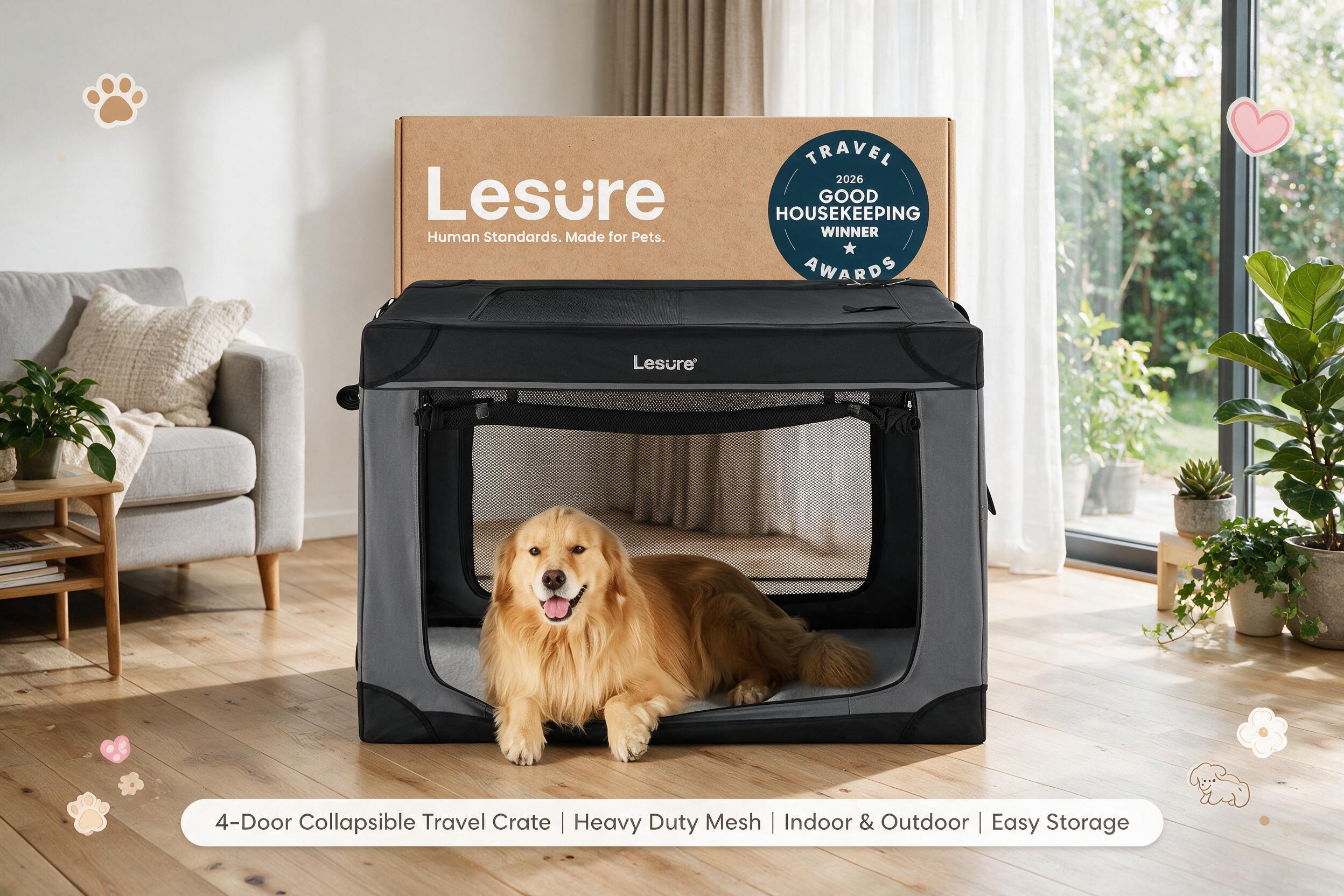
Design isn’t just about appearance—it’s about how something functions in real life. For pets, this often translates into how secure and supported they feel.
Take raised edges, for example. They’re not just decorative. Many pets instinctively seek boundaries when they rest. It gives them a sense of protection and helps them relax more deeply. Similarly, orthopedic-style padding can make a noticeable difference for older pets or breeds prone to joint issues.
Another often overlooked detail is entry accessibility. A bed that’s too high or too soft at the edges can be frustrating for smaller or aging pets. Subtle design tweaks—like reinforced edges or lower entry points—can make a product far more usable without changing its overall look.
What’s interesting about brands like Lesure is how these functional elements are integrated without making the product look overly technical. The result is something that feels intuitive rather than engineered.
Blending Pet Products Into Home Aesthetics
There was a time when pet items felt like visual clutter—bright colors, mismatched textures, and bulky shapes that disrupted the flow of a room. That’s no longer the case.
Today’s pet owners often think of their homes as curated spaces, and pet essentials are expected to fit into that vision. Neutral tones, clean lines, and subtle textures are becoming the norm.
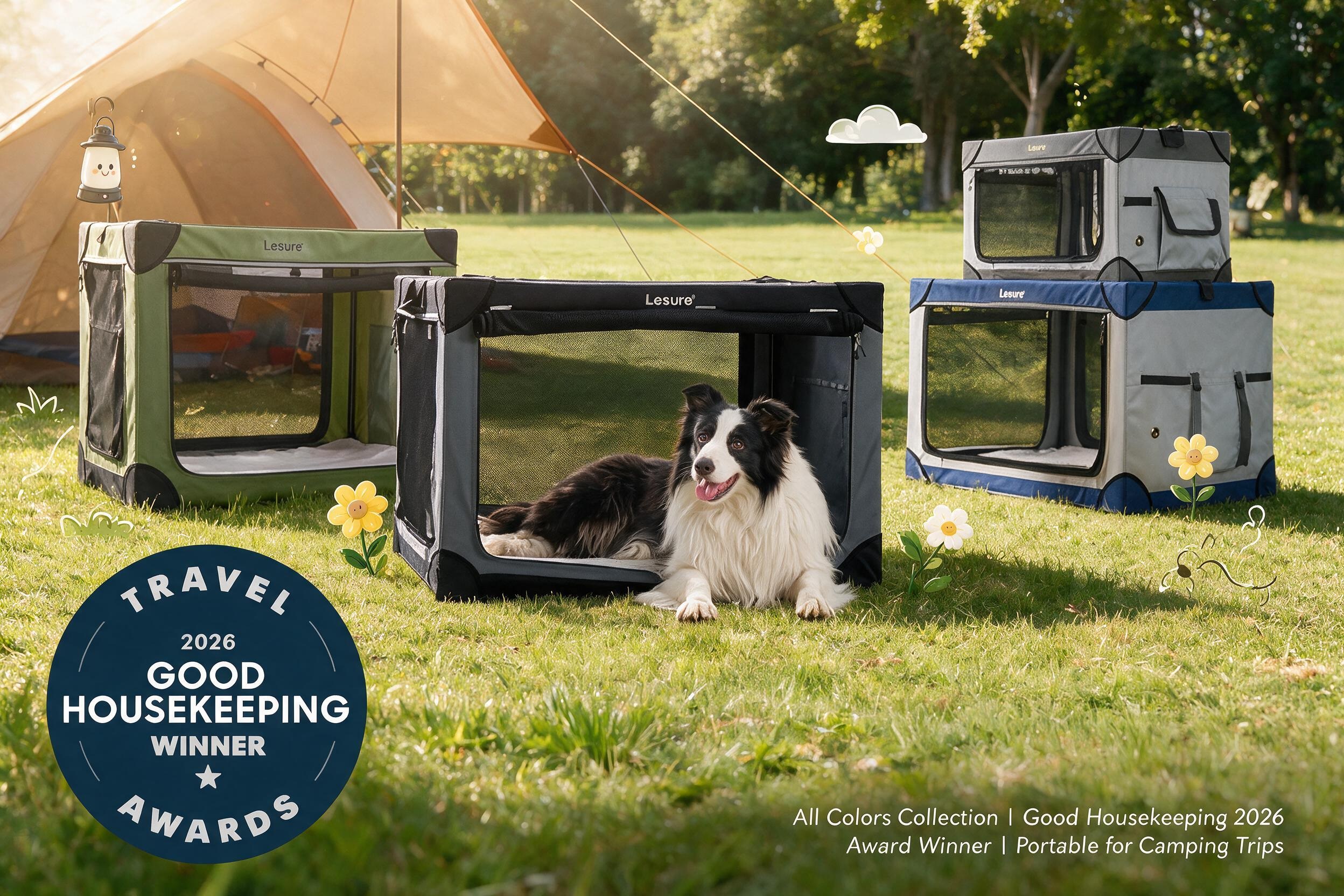
Lesure’s product lineup reflects this shift. Instead of loud patterns or overly playful designs, the focus is on understated elegance. This makes it easier to place a pet bed in a living room, bedroom, or even a home office without it feeling out of place.
This blending of function and style does more than improve aesthetics—it changes how people interact with their pets’ spaces. When a pet bed looks like it belongs, it’s more likely to be placed in areas where the family spends time, rather than being tucked away in a corner.
Practical Features That Matter Day to Day
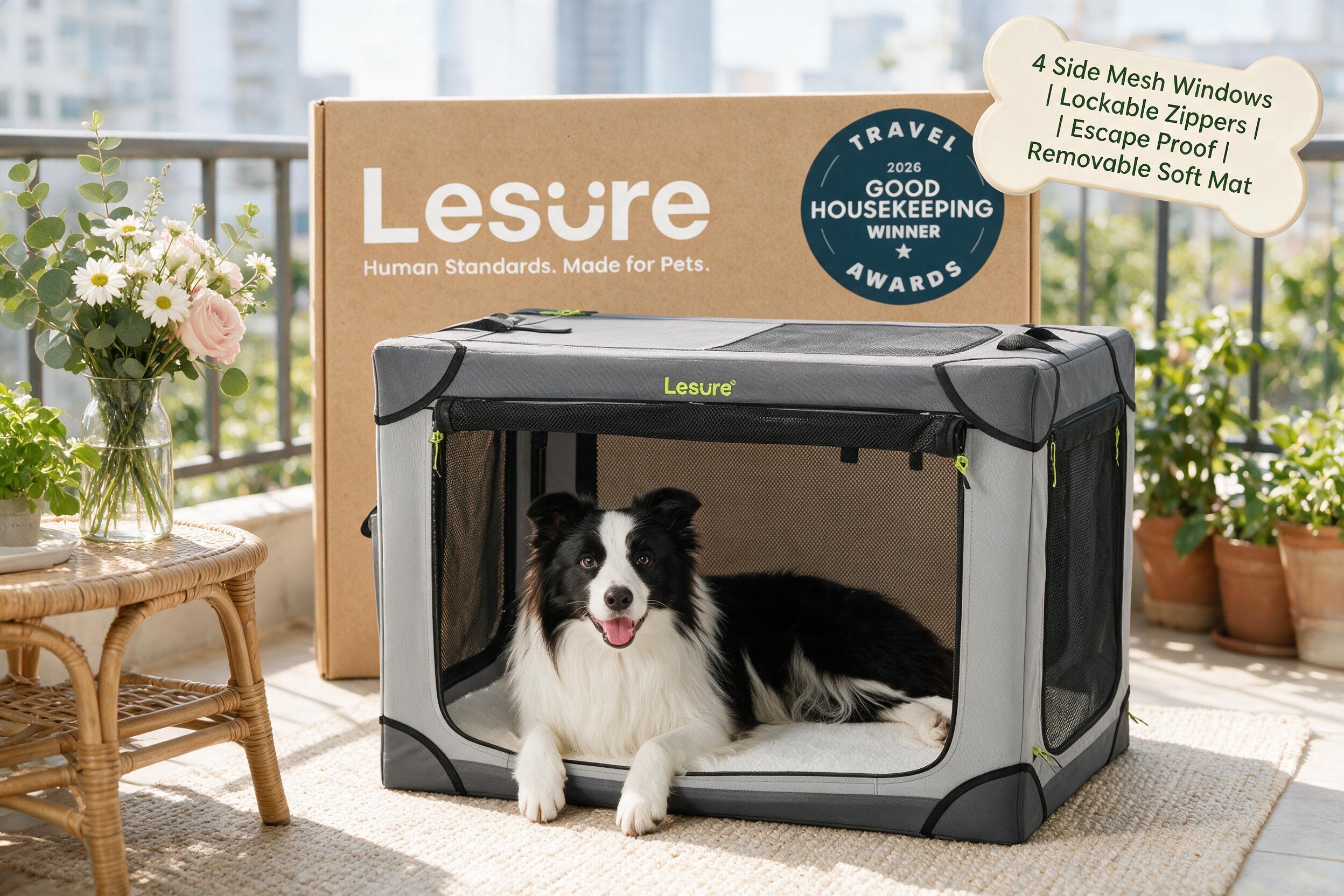
Beyond comfort and design, there’s the practical side of pet ownership. Cleaning, maintenance, and durability all play a role in how useful a product is over time.
Removable covers, for instance, are more than a convenience—they’re essential. Pets shed, track in dirt, and occasionally have accidents. Being able to quickly wash a cover extends the life of the product and keeps the home feeling fresh.
Non-slip bottoms are another small but important feature. A bed that shifts every time a pet jumps in or out can quickly become frustrating. Stability adds to the sense of security and makes the product more functional in high-traffic areas.
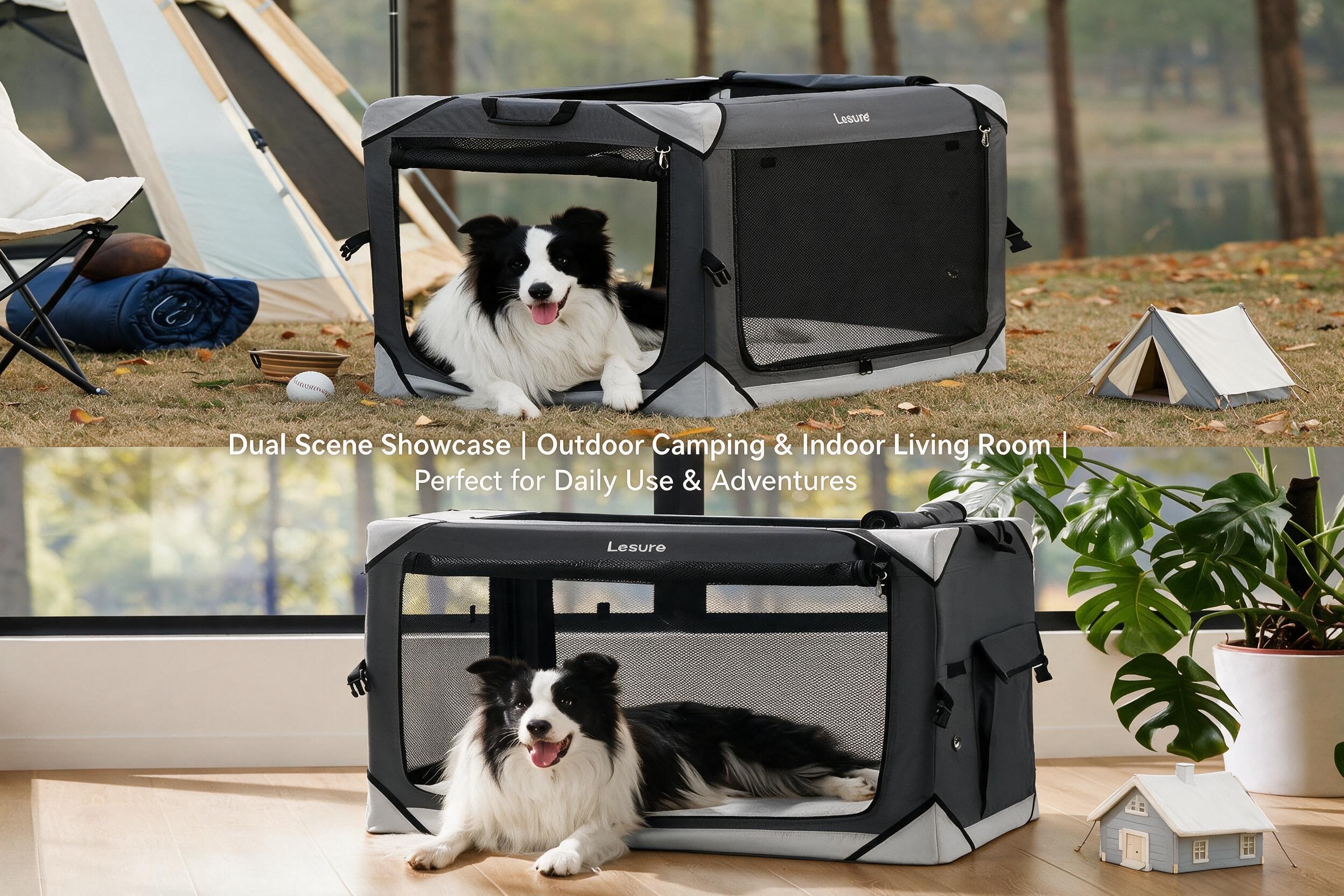
Then there’s portability. Lightweight designs or beds that can be easily moved allow pet owners to adapt spaces as needed—bringing a bed into the living room during the day and moving it to a bedroom at night.
These are the kinds of details that often go unnoticed at first but become indispensable over time.

Different Pets, Different Needs
Not all pets interact with their environment in the same way, and their preferences can be surprisingly specific.
Some dogs love to curl up tightly, seeking warmth and enclosure. Others prefer sprawling out, especially after a long walk. Cats, famously particular, may rotate between multiple resting spots throughout the day depending on light, temperature, and mood.
This variability makes flexibility in product design especially valuable. Having a range of options—whether it’s a donut-style bed, a flat cushion, or a more structured lounger—allows pet owners to cater to these preferences rather than forcing pets to adapt.
Lesure’s catalog seems to acknowledge this diversity. Instead of focusing on a single signature product, it offers variations that cater to different behaviors and environments. That kind of range is often what turns a good product into a genuinely useful one.
Creating a Comfortable Routine at Home
Comfort isn’t just about the product itself—it’s about how it fits into a pet’s daily routine. Consistency plays a big role in how secure pets feel.
Having a designated resting spot, for example, helps establish boundaries and predictability. Pets learn where they can relax, retreat, and feel undisturbed. Over time, that space becomes associated with calmness and safety.
Adding elements like familiar blankets or placing the bed in a preferred location—near a window, beside a couch, or in a quiet corner—can enhance this effect.
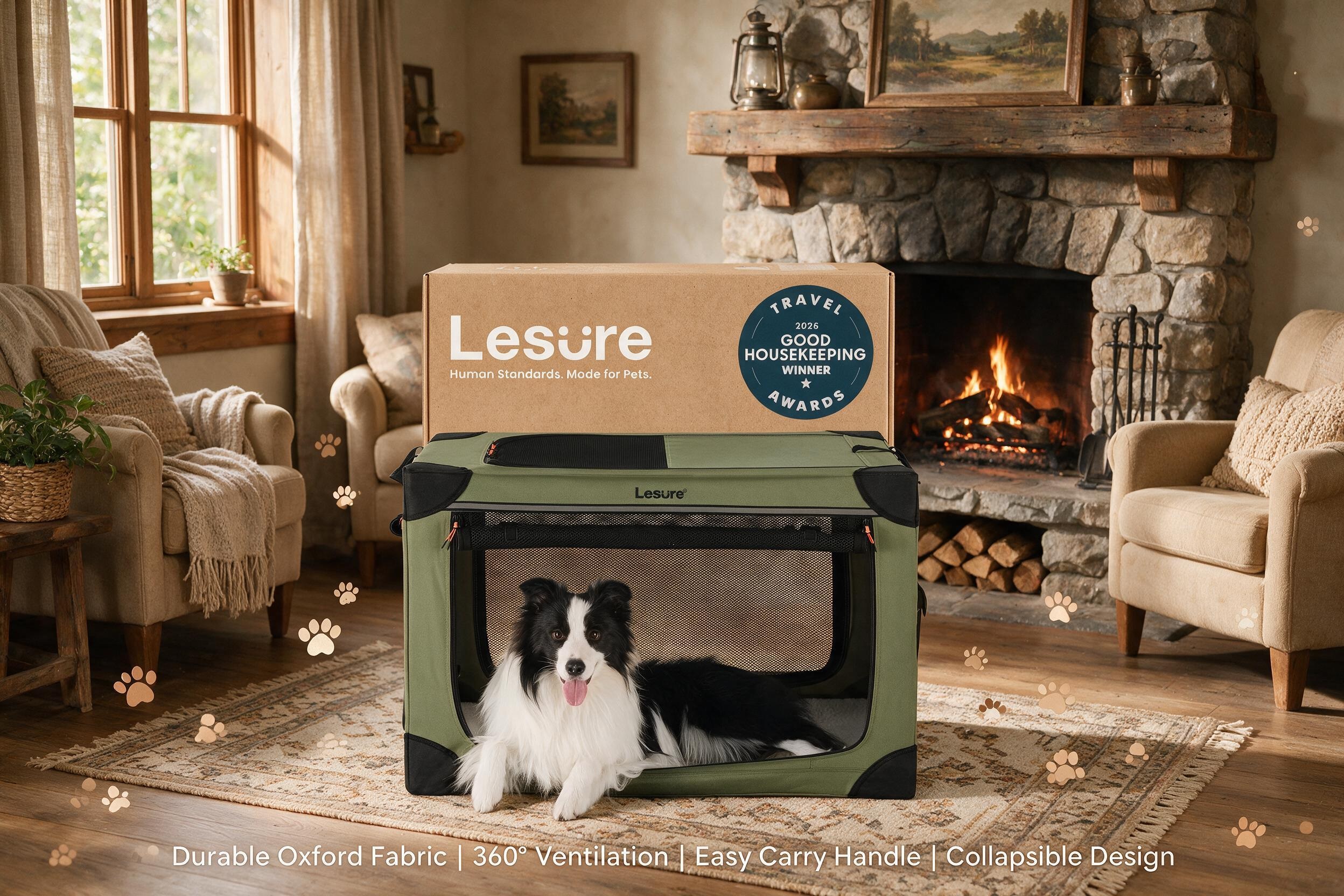
Products from Lesure tend to support this kind of routine simply by being adaptable. They’re designed to fit into different parts of the home without requiring major adjustments, which makes it easier to create consistent, comfortable spaces for pets.
Balancing Comfort With Longevity
There’s often a trade-off between softness and durability, but the best products manage to balance both. A bed that feels luxurious on day one but flattens within weeks doesn’t deliver real value.
Longevity comes down to construction as much as materials. Reinforced stitching, high-quality filling, and thoughtful design all contribute to how well a product holds up over time.
It’s also about how the product ages. Does it maintain its shape? Does the fabric stay comfortable? Does it remain easy to clean?
These are the questions that matter after months of daily use. And they’re often what separate a short-term purchase from something that becomes a lasting part of a home.
The Emotional Side of Pet Comfort
There’s a quieter, less tangible aspect to all of this: the emotional connection between pets and their spaces.
Watch a dog settle into a favorite bed or a cat return to the same spot day after day, and it becomes clear that these items are more than just functional. They’re part of a pet’s sense of familiarity and security.
For pet owners, there’s also a sense of reassurance in knowing that their companion has a comfortable place to rest. It’s a small but meaningful way of caring for another living being.
This emotional dimension is often what drives people to invest in better-quality products. It’s not about luxury—it’s about providing comfort in a way that feels thoughtful and intentional.
Final Thoughts: A More Thoughtful Approach to Pet Living
As homes continue to evolve into shared spaces for both humans and pets, the expectations for pet products are changing. Comfort, design, and practicality are no longer separate considerations—they’re intertwined.
Brands like Lesure reflect this shift by offering products that feel at home in modern living spaces while still addressing the real needs of pets. It’s not about overcomplicating things; it’s about getting the details right.
In the end, creating a comfortable environment for pets doesn’t require a complete overhaul. Sometimes, it’s as simple as choosing items that are thoughtfully designed, well-made, and suited to how pets actually live.
And when those choices come together, the result is a home that feels more balanced, more functional, and—perhaps most importantly—more comfortable for everyone who lives there.