Honey has long been a familiar part of everyday kitchens, but not every variety offers the same flavor, texture, or story. Among the many types available, New Zealand mānuka honey has attracted attention for its distinctive character and naturally occurring compounds. Manukora brings this specialty honey to customers through a collection built around careful sourcing, product testing, and an emphasis on traceability.
For shoppers discovering mānuka honey for the first time, Manukora offers an opportunity to explore what makes this New Zealand product different. From its rich, caramel-like taste to the information provided about individual batches, the brand places considerable attention on the journey from beehive to jar.
Whether you enjoy honey in tea, use it as a breakfast topping, or simply appreciate discovering specialty food products, Manukora is a brand worth getting to know.
1. Getting to Know Manukora
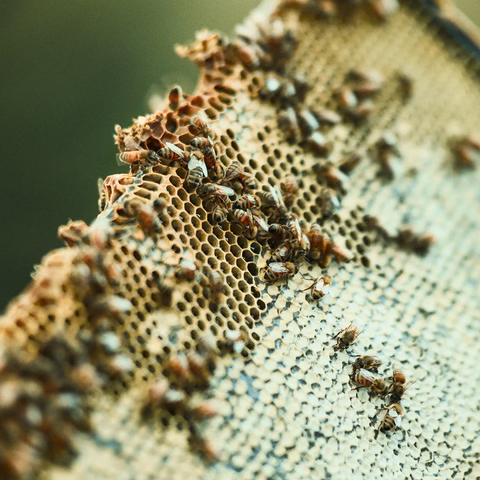
Manukora focuses on mānuka honey sourced from New Zealand, where the mānuka plant grows naturally. The brand’s story is closely connected to the country’s beekeeping heritage and the people who work with bees in remote regions.
According to the company’s story, its roots go back to 1998, when founding beekeeper Bryce Hooton began developing a distinctive approach to beekeeping. His emphasis on working with nature and caring for bees helped shape the principles behind the brand.
This background gives Manukora a story that extends beyond the finished product. The company highlights the relationship between beekeepers, the environment, and the honey that eventually reaches customers.
For consumers who are interested in where their food comes from, this connection can make the shopping experience more meaningful. Instead of looking only at a jar’s appearance or price, customers can also explore its origin and production information.
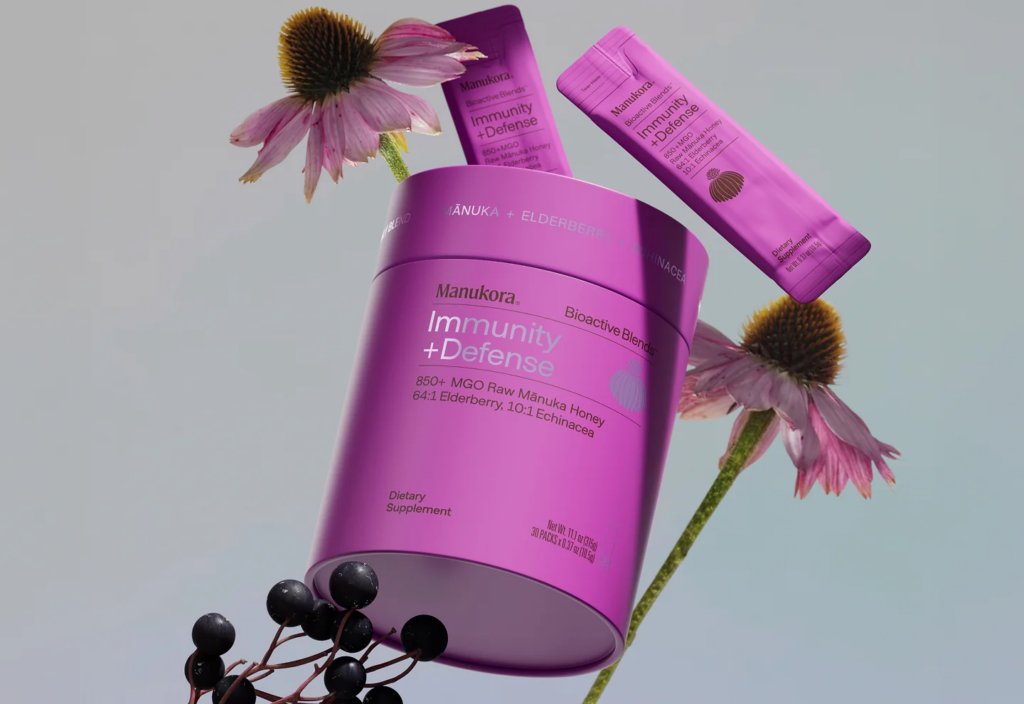
2. What Makes Mānuka Honey Different?
Mānuka honey is produced when bees collect nectar from the flowers of the mānuka plant, scientifically known as Leptospermum scoparium. The plant is native to New Zealand and parts of Australia, but New Zealand mānuka honey has become particularly well known in the specialty food market.
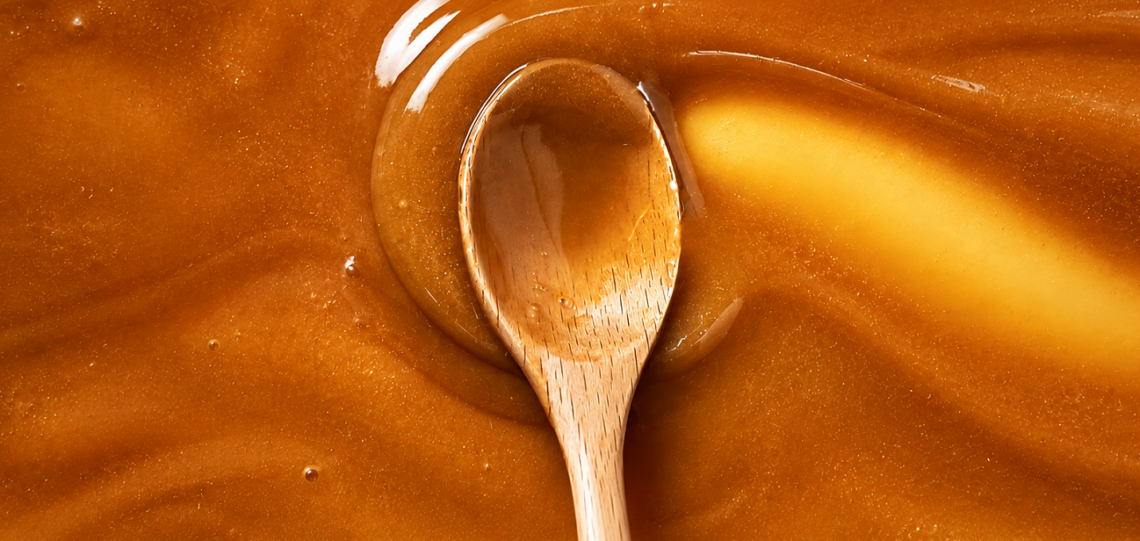
Compared with many familiar honey varieties, mānuka honey often has a darker appearance, a thicker texture, and a more pronounced flavor. Its taste is commonly described as rich, earthy, and caramel-like, although the exact character can vary between batches.
One of the compounds that makes mānuka honey distinctive is methylglyoxal, commonly shortened to MGO. This naturally occurring compound is used as an important marker when measuring the potency of mānuka honey.
For shoppers, understanding these characteristics can make it easier to compare products and decide which variety best suits their preferences.
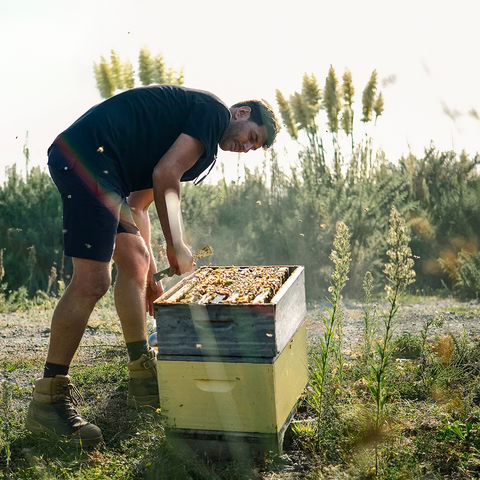
3. Understanding Manukora’s MGO Ratings
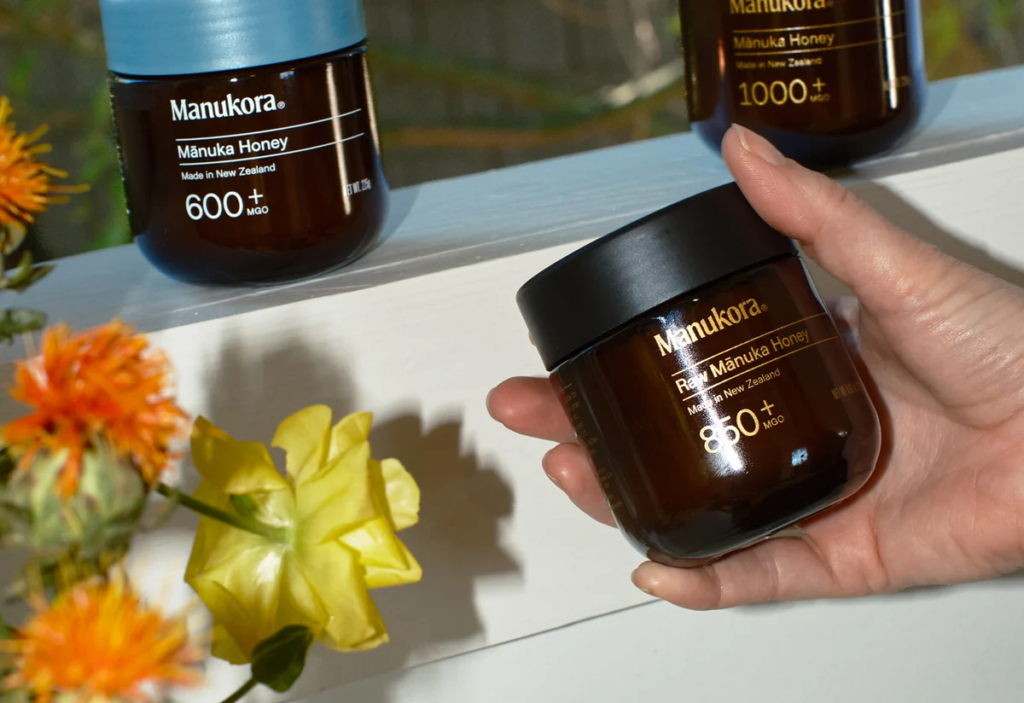
When browsing mānuka honey, you may notice numbers such as MGO 300+, MGO 600+, or MGO 850+ on product labels. These ratings refer to the concentration of methylglyoxal in the honey, measured in milligrams per kilogram.
In simple terms, a higher MGO number indicates a higher measured concentration of this particular compound. It does not automatically mean that a product will taste better or be the right choice for every customer.
Manukora provides different MGO grades so shoppers can compare products according to their preferences and budget.

Why the MGO number matters
MGO is useful because it gives customers a measurable way to compare the concentration of a naturally occurring compound in different mānuka honey products.
However, shoppers should avoid treating the number as a universal measure of overall quality. Flavor, texture, origin, testing information, and intended use are also relevant considerations.
Choosing a suitable grade
If you are new to mānuka honey, it may be helpful to begin by comparing the available grades rather than automatically choosing the highest number.
A lower grade may be a more accessible introduction to the category, while higher grades may appeal to shoppers specifically looking for honey with a greater measured MGO concentration.
The best option depends on your budget, taste preferences, and reasons for purchasing it.
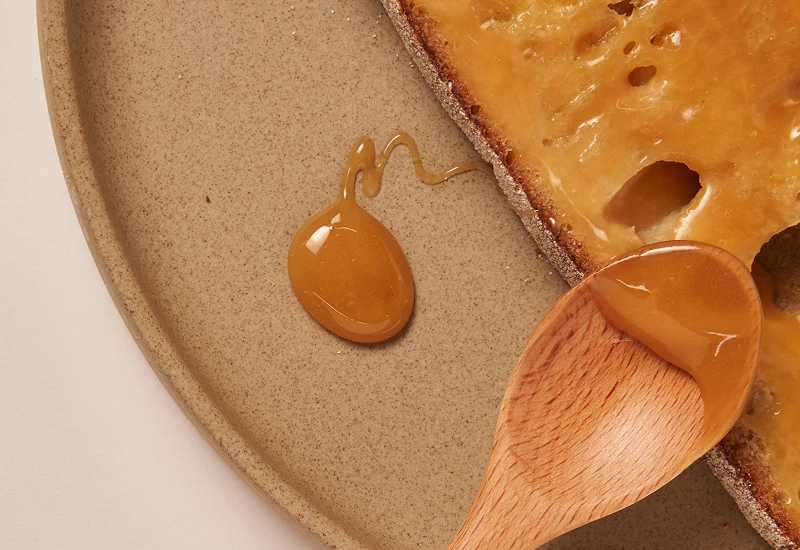
4. Traceability: Knowing More About the Honey in Your Jar
One feature highlighted by Manukora is its product traceability system. The company explains that individual jars carry a unique QR code that customers can scan to access information about their honey batch.
Depending on the product and available batch records, this information can include the honey’s New Zealand origin, beekeeper details, and testing results.
This is a useful feature for people who want more transparency when purchasing specialty food products. Rather than relying entirely on a general brand description, customers can explore information connected to the specific jar they have purchased.
Traceability also makes the product experience more interesting. A jar of honey becomes connected to a particular harvest and the people involved in producing it.
For shoppers comparing different brands, access to batch-level information can be one practical detail worth considering.
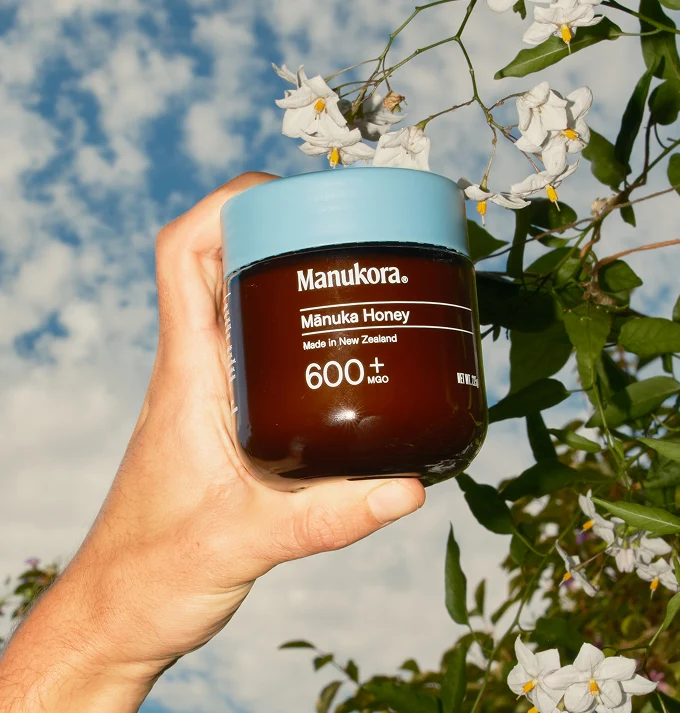
5. A Closer Look at Manukora’s Honey Collection
Manukora‘s product range is centered on mānuka honey, with different grades and formats designed for different shopping preferences.
Raw Mānuka Honey
Raw mānuka honey is the core of the brand’s collection. It offers the rich flavor and naturally thick texture associated with this specialty honey.
It can be enjoyed on its own or used as an ingredient in everyday food and drinks. Customers interested in comparing different varieties can explore the available MGO grades and product descriptions.
Higher-MGO Honey
For shoppers who specifically want a higher concentration of MGO, Manukora offers stronger grades, including premium options.
These products can come from more limited harvests, making them a different proposition from everyday honey purchases. Before choosing one, compare the MGO rating, jar size, price, and available batch information.
Convenient Honey Formats
Manukora also presents convenient ways to explore its honey beyond traditional jars, including portable formats and selected product bundles.
These options can be useful for customers who want to sample the brand, take honey along when traveling, or put together a gift.
Because product availability can change, it is worth checking the official store for the latest formats and seasonal selections.
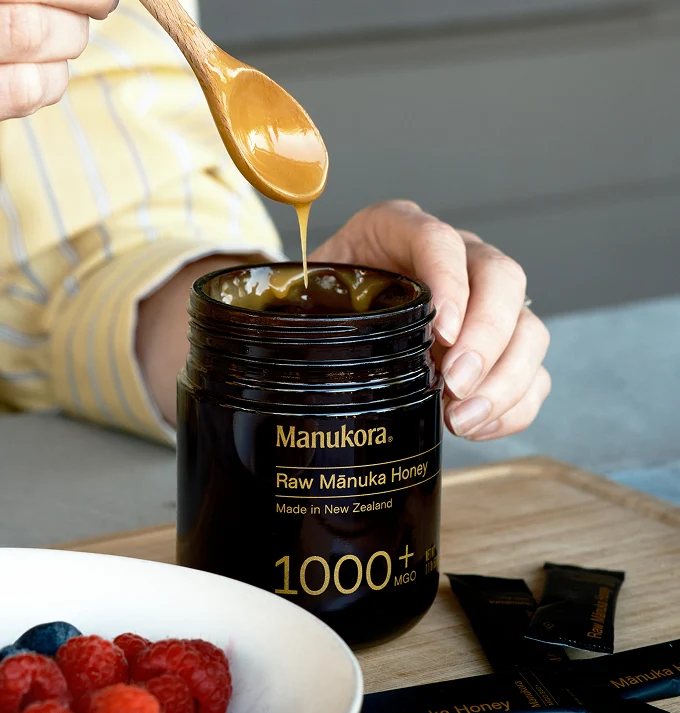
6. How to Enjoy Manukora Mānuka Honey
One appealing feature of honey is its versatility. Mānuka honey can be incorporated into familiar recipes without requiring complicated preparation.
Here are a few simple ways to enjoy it:
Stir it into tea. Add a small amount to a warm cup of tea for a richer sweetness. Allow very hot drinks to cool slightly before adding honey if you prefer to avoid exposing it to high temperatures.
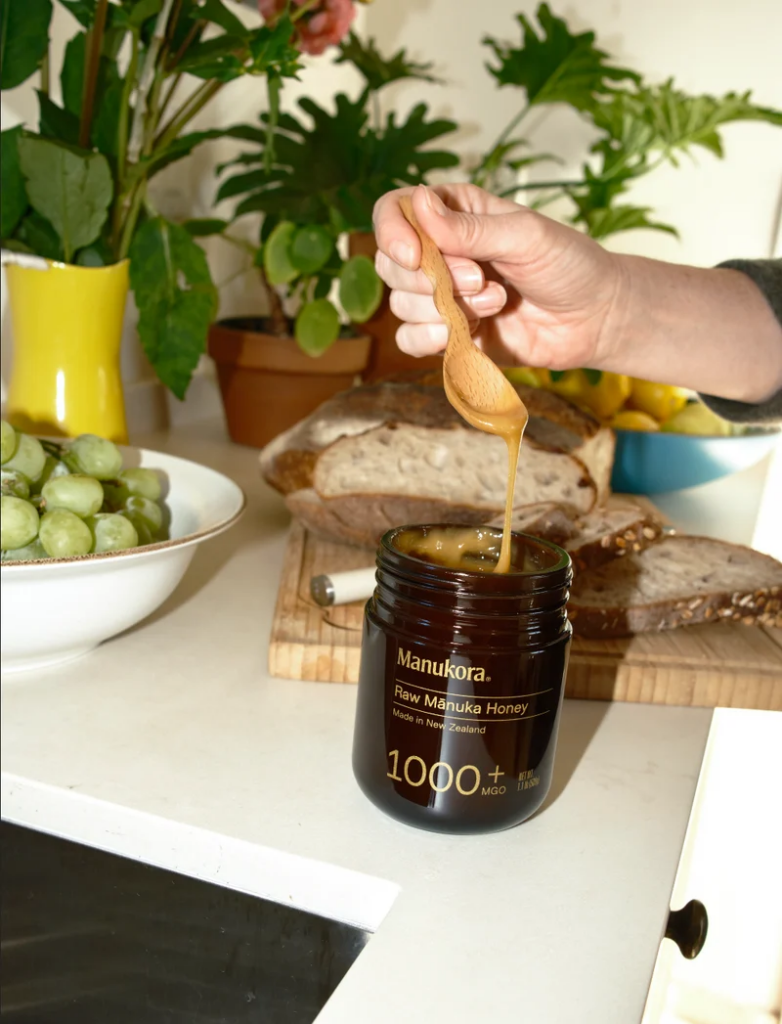
Spread it on toast. A thin layer of mānuka honey can add a distinctive flavor to toast, sourdough, or warm breakfast bread.
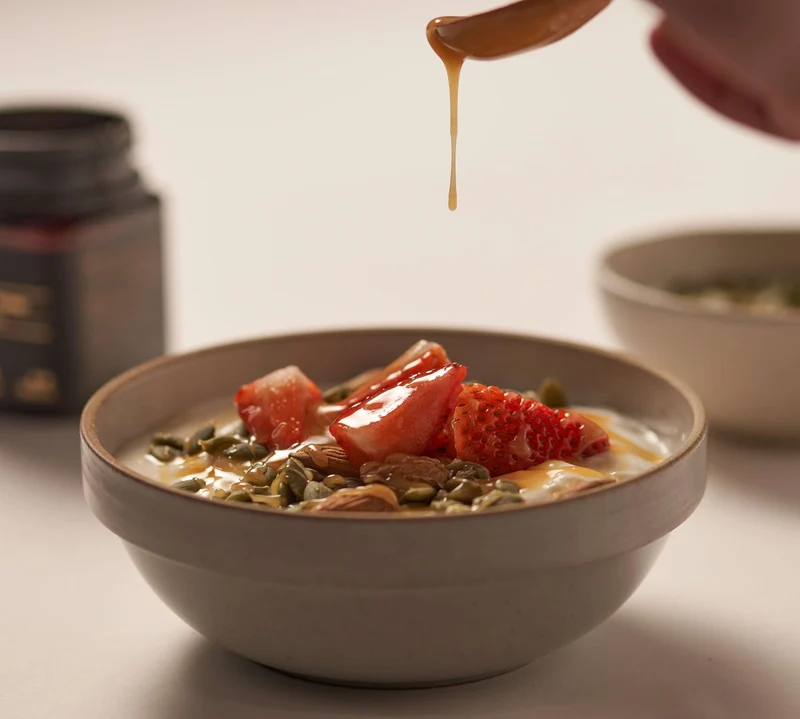
Pair it with yogurt. Combine honey with plain yogurt, fresh fruit, and granola for a simple breakfast or snack.
Use it in smoothies. A little honey can provide natural sweetness in fruit-based drinks. Adjust the quantity according to the sweetness of the other ingredients.
Create a simple dressing. Mix honey with olive oil, lemon juice, and a little mustard to make a sweet-and-tangy dressing for salads.
Serve it with cheese. Its rich flavor can complement selected cheeses, crackers, and fresh fruit on a sharing board.
These ideas show that specialty honey does not need to be reserved for a special occasion. It can be enjoyed in ordinary meals and small everyday moments.

7. Manukora’s Approach to Sourcing and Beekeeping
The quality and character of honey begin long before it reaches a jar. The surrounding environment, flowering season, bee activity, and harvesting practices all contribute to the final product.
Manukora emphasizes sourcing from remote regions of New Zealand and working with beekeepers who understand the local environment. The company also describes practices intended to support bee welfare, such as keeping hive numbers controlled and leaving honey reserves for bees during winter.
These details are relevant to consumers who want to learn more about how their food is produced.
The brand also highlights independent testing and information about product purity. Its website describes testing for MGO levels and other quality indicators, with batch information made accessible through QR codes.
For customers, these practices offer a way to look beyond marketing language and examine more specific product information.
8. What to Consider Before Buying Manukora
Specialty mānuka honey can be more expensive than conventional honey, so it is worth considering a few details before placing an order.
Compare MGO levels. Think about whether you need a particular MGO grade or simply want to experience the flavor of mānuka honey.
Check the jar size. Comparing the price per gram can help you understand the value of different package sizes.
Read the product information. Look for details about origin, testing, ingredients, and the specific grade being advertised.
Use the QR code information. If batch traceability is important to you, check how the brand provides access to its testing and sourcing records.
Review shipping and promotions. Delivery costs, subscriptions, bundles, and promotional offers can affect the final price.
Consider dietary needs. Honey is still a form of sugar and is not suitable for infants under 12 months. People managing dietary or medical conditions should consider their individual needs and seek professional advice when appropriate.
Making an informed choice is especially useful when shopping in a category where prices and MGO ratings can vary considerably.
9. Is Manukora Worth Exploring?
Manukora may appeal to shoppers who are curious about New Zealand mānuka honey and want more information about the product they purchase.
Its emphasis on MGO grading, batch traceability, and beekeeping practices gives customers several details to explore beyond flavor alone. The range of available grades also allows shoppers to compare different options rather than being limited to a single product.
The brand may be particularly interesting to:
- People discovering mānuka honey for the first time.
- Shoppers who enjoy specialty food products from New Zealand.
- Customers interested in batch-level sourcing and testing information.
- Honey lovers looking for a richer flavor profile.
- People searching for a distinctive food gift.
Of course, the right choice depends on individual taste and budget. Mānuka honey is a food product, not a substitute for medical care or prescribed treatment, and health-related claims should be evaluated carefully.
Final Thoughts: A More Informed Way to Enjoy Honey
Manukora brings together New Zealand mānuka honey, a beekeeping-focused brand story, and product information designed to help customers understand what they are buying.
Its appeal comes from more than the honey’s distinctive flavor. The focus on MGO ratings, sourcing details, and individual batch traceability gives shoppers additional ways to explore the product before making a purchase.
Whether you are interested in trying mānuka honey for the first time, comparing different MGO grades, or finding a specialty ingredient for your kitchen, Manukora offers a collection worth browsing.
A good food discovery often begins with curiosity. By learning about the origin, characteristics, and flavor of mānuka honey, you can make a more thoughtful choice and find a way to enjoy it that fits naturally into your everyday routine.