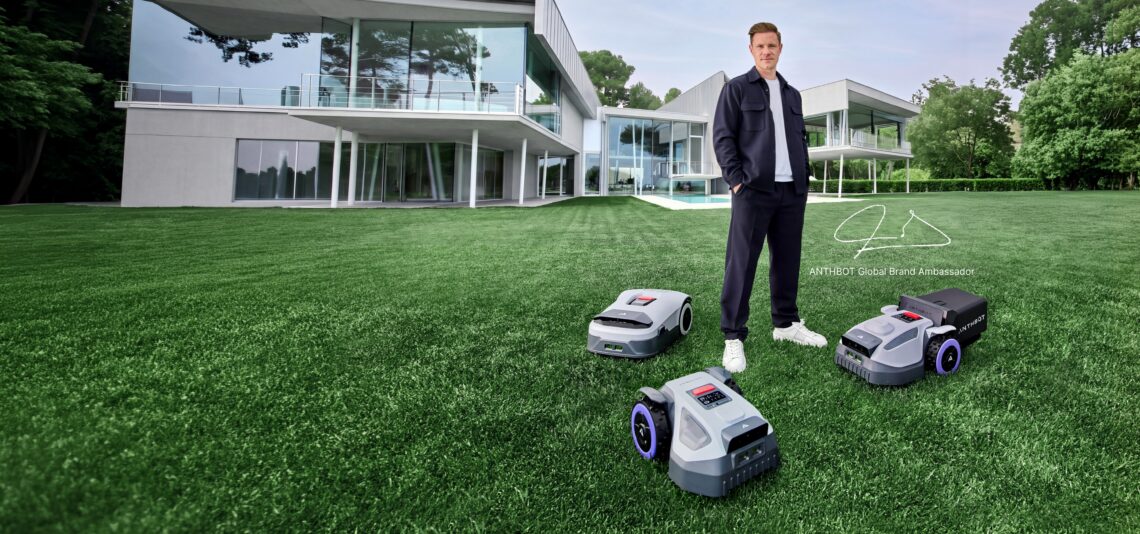
There’s something quietly transformative happening in the way we maintain our homes. It’s not loud, not flashy—but once you notice it, you can’t unsee it. The shift from manual cleaning routines to intelligent, responsive systems is no longer reserved for early adopters or tech enthusiasts. It’s becoming part of everyday life. And at the center of this evolution sits a new wave of brands rethinking what “clean” really means.
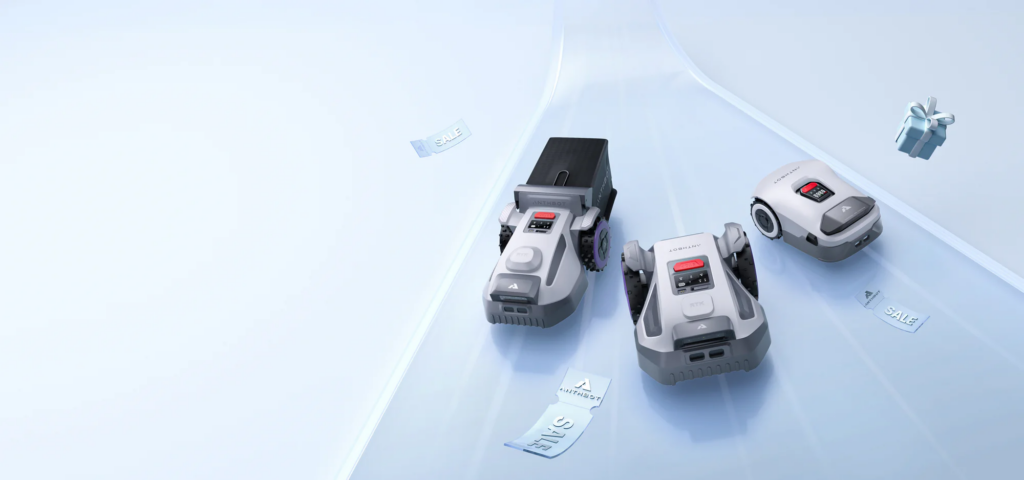
One name that keeps surfacing in conversations around smart home cleaning is ANTHBOT. Not because it shouts the loudest, but because it focuses on something more enduring: thoughtful design paired with practical automation.
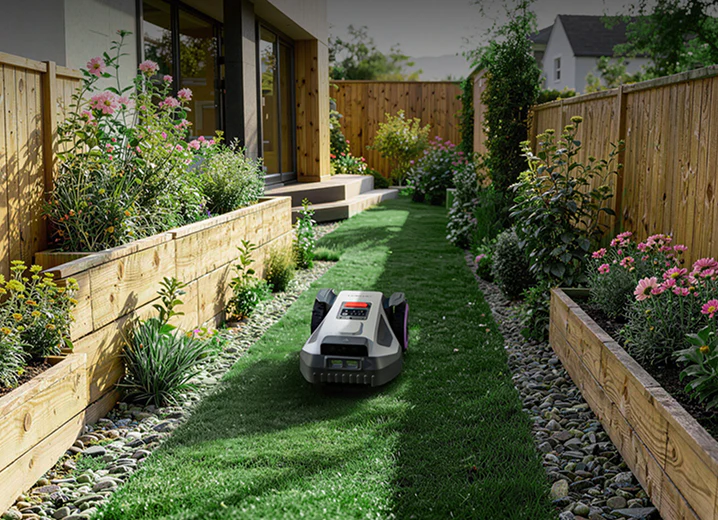
Where Smart Cleaning Stops Feeling Like a Gimmick
Let’s be honest—“smart home” has been a buzzword for years. But many products still feel like novelties. They promise convenience, yet require constant babysitting. They automate tasks, but introduce new complications.
What stands out about ANTHBOT is how it leans into simplicity. Instead of overwhelming users with features they’ll never use, it focuses on the fundamentals: consistent performance, intuitive interaction, and systems that quietly adapt to your space.
This isn’t about replacing effort with complexity. It’s about removing friction entirely.
The Subtle Intelligence Behind Modern Cleaning Robots
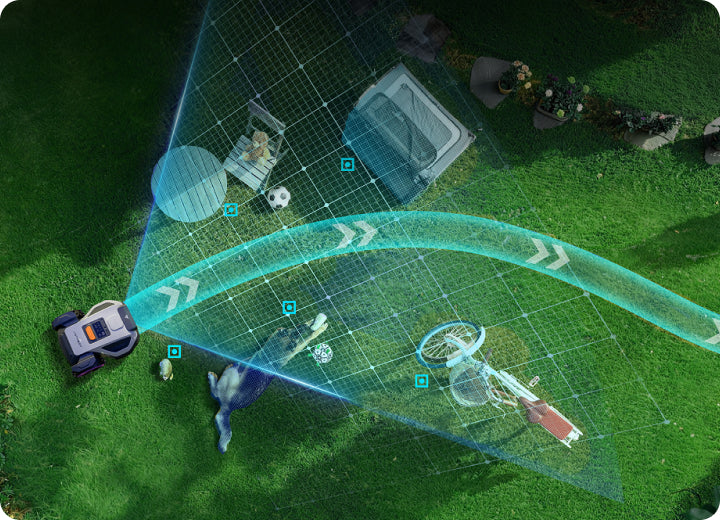
Today’s cleaning robots aren’t just moving vacuums—they’re spatially aware devices that map, learn, and respond. The difference becomes clear the moment you watch one navigate a real home: furniture, corners, uneven surfaces, even unexpected obstacles.
With ANTHBOT, the emphasis seems to be on how these machines behave over time. Not just how they perform on day one, but how they adapt after weeks of use. Do they remember layouts? Do they optimize paths? Do they minimize redundant passes?
These are the details that separate something you tolerate from something you rely on.
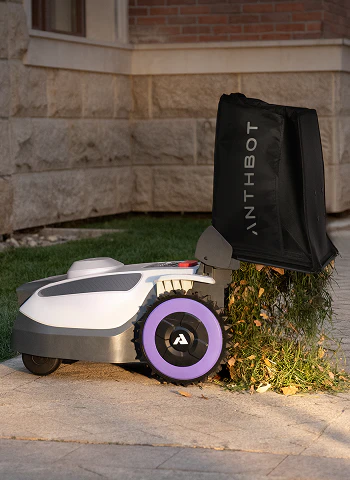
Design That Understands Real Homes
Every home has its quirks. Tight spaces, mixed flooring, pets, cables, clutter—no two layouts are identical. That’s where rigid, one-size-fits-all systems tend to fail.
ANTHBOT appears to approach this challenge from a more flexible angle. Instead of forcing users to adapt to the device, the device adapts to the environment. It’s a small philosophical shift, but one that has a big impact on day-to-day usability.
For example, transitions between surfaces—like hardwood to rugs—are often where less refined robots struggle. Smoother navigation and better edge handling may not sound exciting on paper, but they’re exactly what make a device feel “finished” in real life.
Not Just About Clean Floors
When people think about robotic cleaning, they usually imagine spotless floors. But the real value runs deeper than that. It’s about reclaiming time, reducing mental load, and creating an environment that maintains itself in the background.
That’s where ecosystems matter. A single device can help—but a coordinated system can quietly take over entire routines. ANTHBOT positions itself within that broader idea of connected living, where cleaning is just one part of a larger, integrated experience.
And importantly, it doesn’t require you to become a tech expert to benefit from it.
What Daily Life Actually Feels Like
There’s a difference between reading about a product and living with it. Over time, small things start to matter more than headline features:
Does it start when you expect it to? Does it avoid getting stuck? Does it quietly do its job without drawing attention to itself?
Users who gravitate toward ANTHBOT often seem to value exactly that—consistency over spectacle. A system that integrates into your routine without asking you to adjust your life around it.
And that’s ultimately the benchmark for any smart home product: not how impressive it is at first glance, but how invisible it becomes over time.
Balancing Automation and Control
One of the ongoing tensions in smart home design is how much control to give users. Too little, and the system feels rigid. Too much, and it becomes overwhelming.
ANTHBOT seems to aim for a middle ground. You can customize behavior when you want—but you don’t have to. The default experience is designed to work well enough that most people won’t feel the need to tweak every setting.
This kind of balance is harder to achieve than it sounds. It requires a deep understanding of how people actually use technology in their homes—not how designers think they should use it.
Quietly Evolving Technology
Another interesting aspect of modern home robotics is how quickly the technology evolves. Navigation algorithms improve. Sensors become more precise. Efficiency increases in subtle but meaningful ways.
Brands like ANTHBOT are part of this ongoing refinement process. Instead of chasing flashy reinventions, they contribute to a steady, incremental improvement in how these systems perform.
It’s less about revolution and more about refinement—and for users, that often translates to reliability.
A Different Kind of Luxury
We tend to associate luxury with visible things—materials, finishes, design statements. But there’s another kind of luxury that’s harder to see: the luxury of not having to think about something at all.
That’s what smart cleaning systems aim to deliver. Not perfection, but consistency. Not attention, but absence of effort.
With ANTHBOT, the appeal isn’t about owning a high-tech gadget. It’s about stepping back from a task that used to demand time and energy, and letting it fade into the background.
Is It Worth Bringing Into Your Home?
The answer depends less on the technology itself and more on your expectations. If you’re looking for a dramatic, one-time transformation, you might miss the point. The real value reveals itself gradually—in the moments you don’t spend cleaning, in the routines that quietly take care of themselves.
ANTHBOT fits best into homes where consistency matters more than novelty, and where automation is seen as a tool, not a spectacle.
And that might be the clearest sign of where smart home technology is heading next.
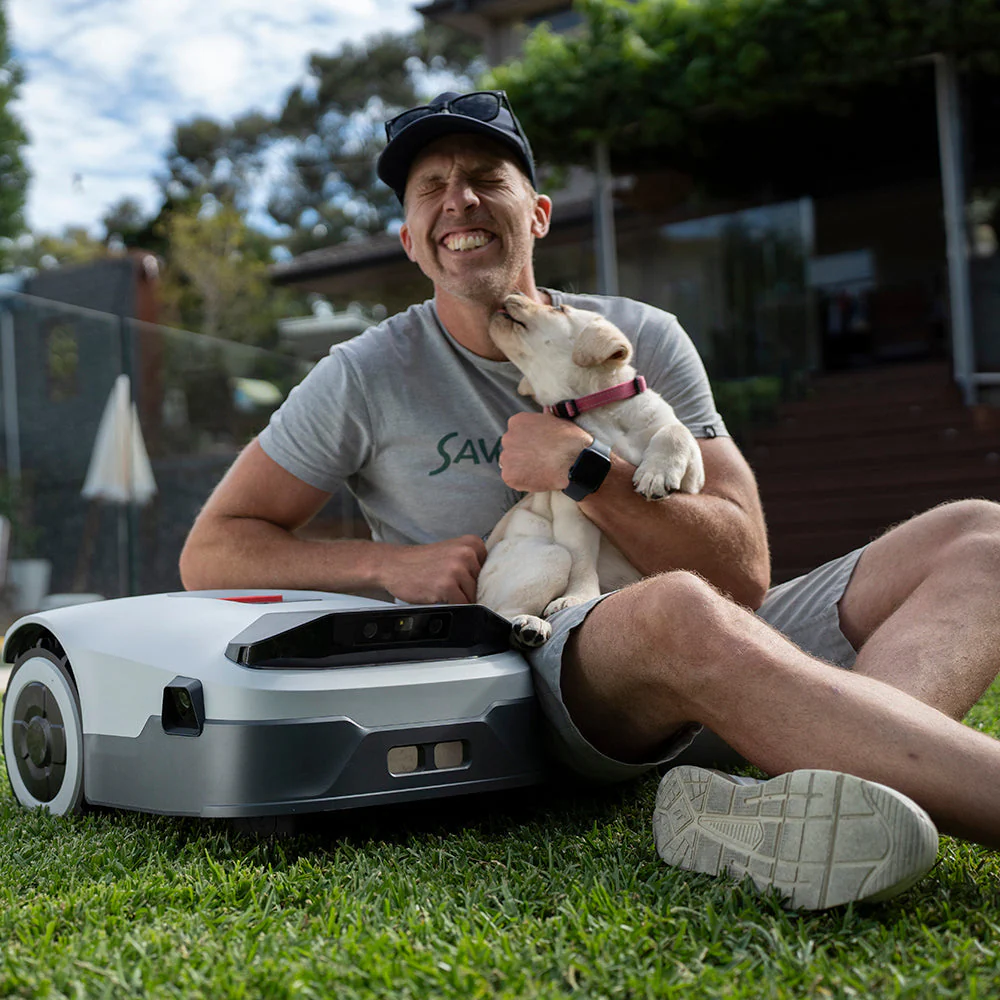
The Bigger Picture of Home Robotics
What we’re seeing isn’t just the rise of smarter cleaning devices—it’s the gradual normalization of robotics in everyday life. Not in a futuristic, sci-fi sense, but in a practical, almost invisible way.
As brands like ANTHBOT continue refining their approach, the focus will likely remain on usability, adaptability, and long-term reliability. Because in the end, the most successful technology isn’t the one that impresses you once—it’s the one you stop noticing altogether.
And when it comes to keeping a home clean, that might be exactly what people have been waiting for.