Paruu Portable Feeding Essentials for Breast Pumping and Travel
Feeding a baby away from home rarely looks as tidy as it does in a packing checklist. There may be a pumping session in the car before an appointment, a bottle needed during a long family visit, or a late-night feed when everyone is too tired to deal with complicated equipment. The difference between a smooth outing and a stressful one often comes down to a few practical details: what fits in the bag, what can be cleaned without a full kitchen, and what is easy to use when one hand is already busy.
That is where a coordinated set of portable feeding essentials can make sense. Rather than treating a breast pump, bottle warmer, replacement parts, and comfort accessories as unrelated purchases, it helps to see them as parts of one real-world routine. The current Paruu range includes wearable pumping equipment, travel-oriented bottle warming, replacement components, and nursing accessories that address different stages of that routine.
This is not about bringing every baby product on every trip. It is about choosing the items that reduce friction: fewer transfers, less searching through a crowded bag, and less uncertainty when feeding plans change.
The portable pumping question is really a routine question
A wearable breast pump is most useful when it matches the way a parent actually moves through the day. For some people, that means pumping while answering emails at home. For others, it means expressing milk between errands, during a commute, or in a private space at work. In each case, portability is not simply about making the pump smaller. It is about avoiding an entire chain of extra steps.
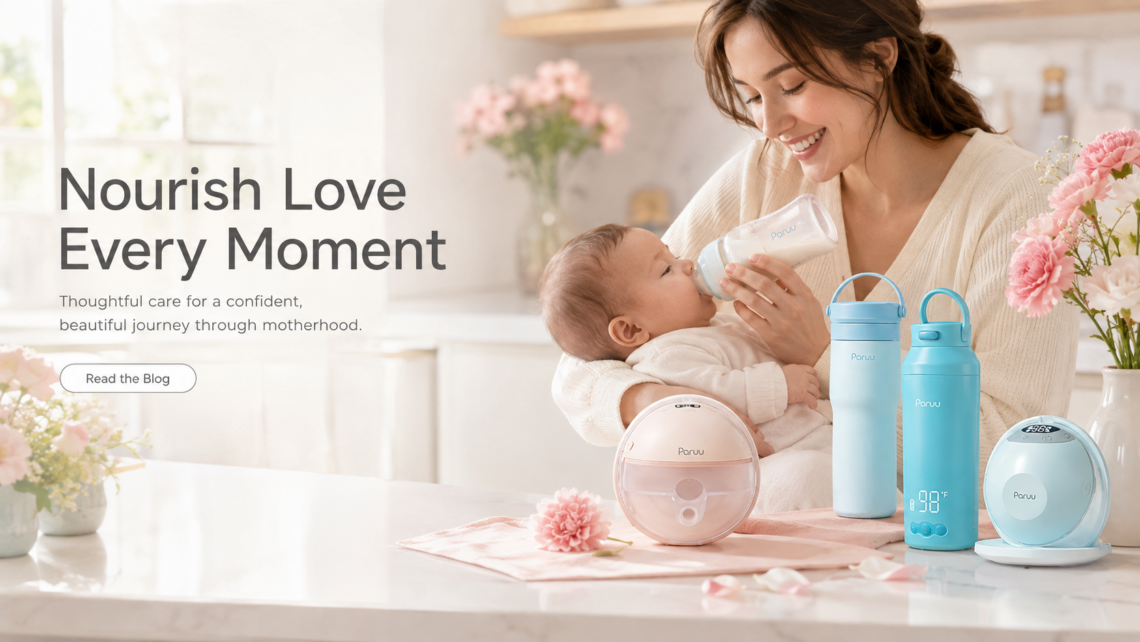
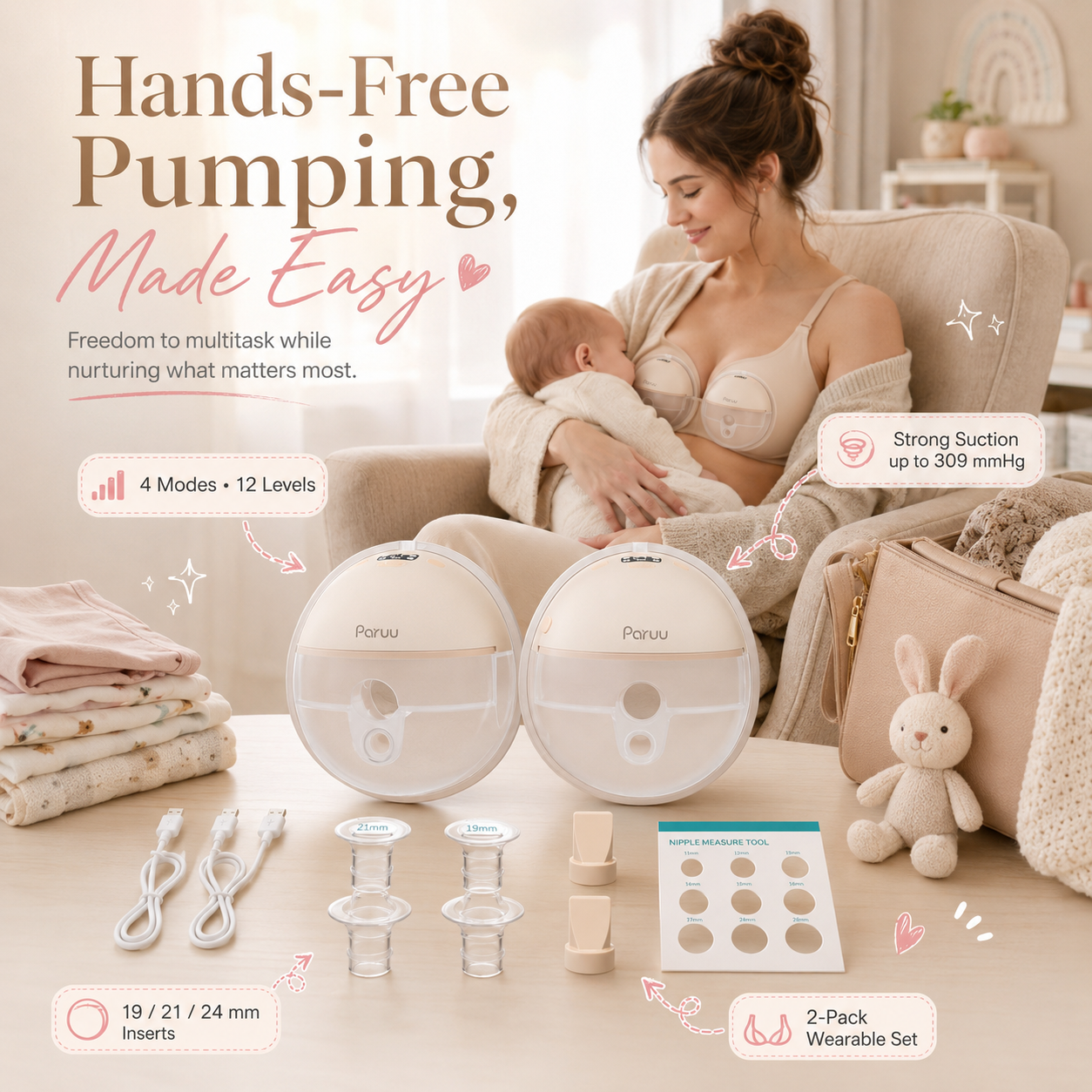
The Paruu P16 wearable breast pump is presented as a hands-free, electric two-pack with four modes and twelve suction levels. It also includes 19 mm, 21 mm, and 24 mm flange inserts, which is a practical detail worth noting because fit can significantly shape pumping comfort and effectiveness. A pump with several included insert options may be more convenient for someone who is still figuring out which size feels appropriate, although individual needs vary and professional lactation guidance can be valuable when fit is uncertain.
The P16’s listed maximum suction level is 309 mmHg. That specification may catch the eye, but numbers are only part of the story. A strong setting is not automatically the right setting. In everyday use, the better question is whether a parent can find a comfortable rhythm, adjust gradually, and use the pump consistently. Having multiple modes and levels gives more room for that kind of personal adjustment than a one-setting device.
For travel, a wearable design can be especially helpful because it keeps the main pumping setup contained. Instead of managing external tubing, a separate motor, and a large collection bottle, the goal is a more streamlined session. That does not make pumping effortless, of course. Parts still need washing, milk still needs safe storage, and breaks still need to be planned. But a compact setup can remove some of the visual and logistical clutter.
A bottle warmer should earn its space in the bag
Portable warmers are often purchased for one imagined moment: feeding a baby in the back seat of a car. In reality, their usefulness is broader. They can be helpful in hotel rooms, at grandparents’ houses, in waiting rooms, during overnight stays, or anywhere a microwave is unavailable or inconvenient. The key is to choose one that does not create a new cleaning problem while solving a heating problem.
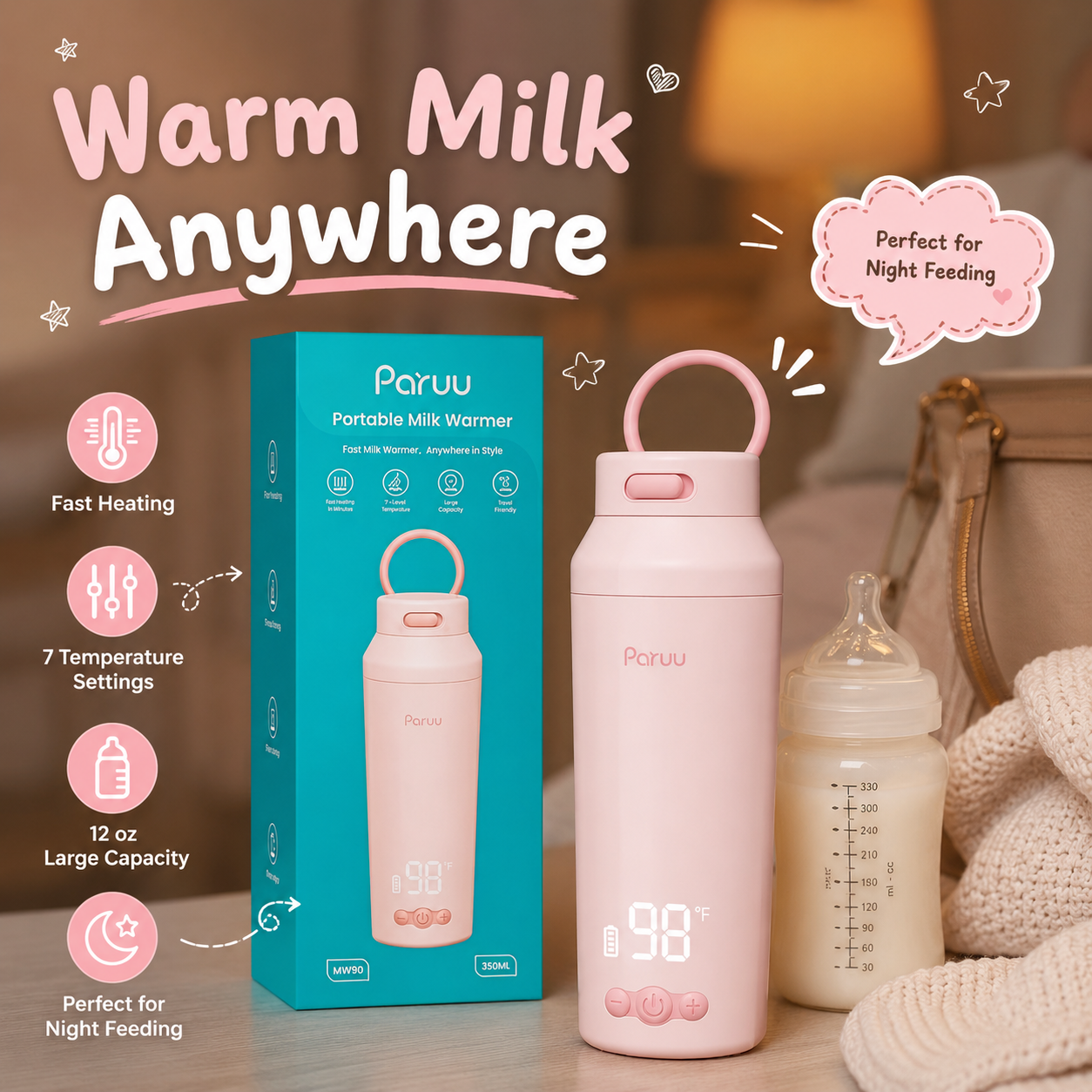
Paruu’s portable bottle warmer is designed with a wide-mouth, easy-clean format, seven temperature settings, and a 12-ounce capacity. The product listing describes fast heating for small amounts of milk, including room-temperature and chilled milk. Those details point to its most appealing use case: a parent who wants more control than simply hoping a bottle reaches a comfortable temperature in a cup of hot water.
The wide-mouth design matters more than it may sound. A travel tool that is difficult to rinse or awkward to access can quickly become the item left at home. A wider opening can make routine cleaning less fussy, particularly when parents are handling bottles, pump parts, snacks, and diaper-bag clutter at the same time.
Temperature control is another feature that deserves a calm, realistic view. A warmer can simplify preparation, but caregivers should always follow their pediatrician’s advice and their chosen milk-storage guidelines. It is also sensible to check the milk temperature before feeding. The best travel gear supports the caregiver’s routine; it does not replace attention and good handling practices.
For parents building a more portable feeding kit, pairing a wearable pump with a dedicated bottle warmer can create a useful rhythm: express when needed, store and transport safely, then warm with less improvisation when it is time to feed. That is the kind of practical ecosystem the Paruu collection is positioned to support.
The least glamorous item may be the most important: replacement parts
Every experienced pumping parent eventually learns that the small parts deserve serious attention. A pump may appear perfectly fine at first glance, yet performance can be affected by worn valves, diaphragms, seals, or collection components. It is not the most exciting item to add to a registry or travel bag, but a replacement set can be the difference between a planned pumping session and an unexpectedly frustrating one.
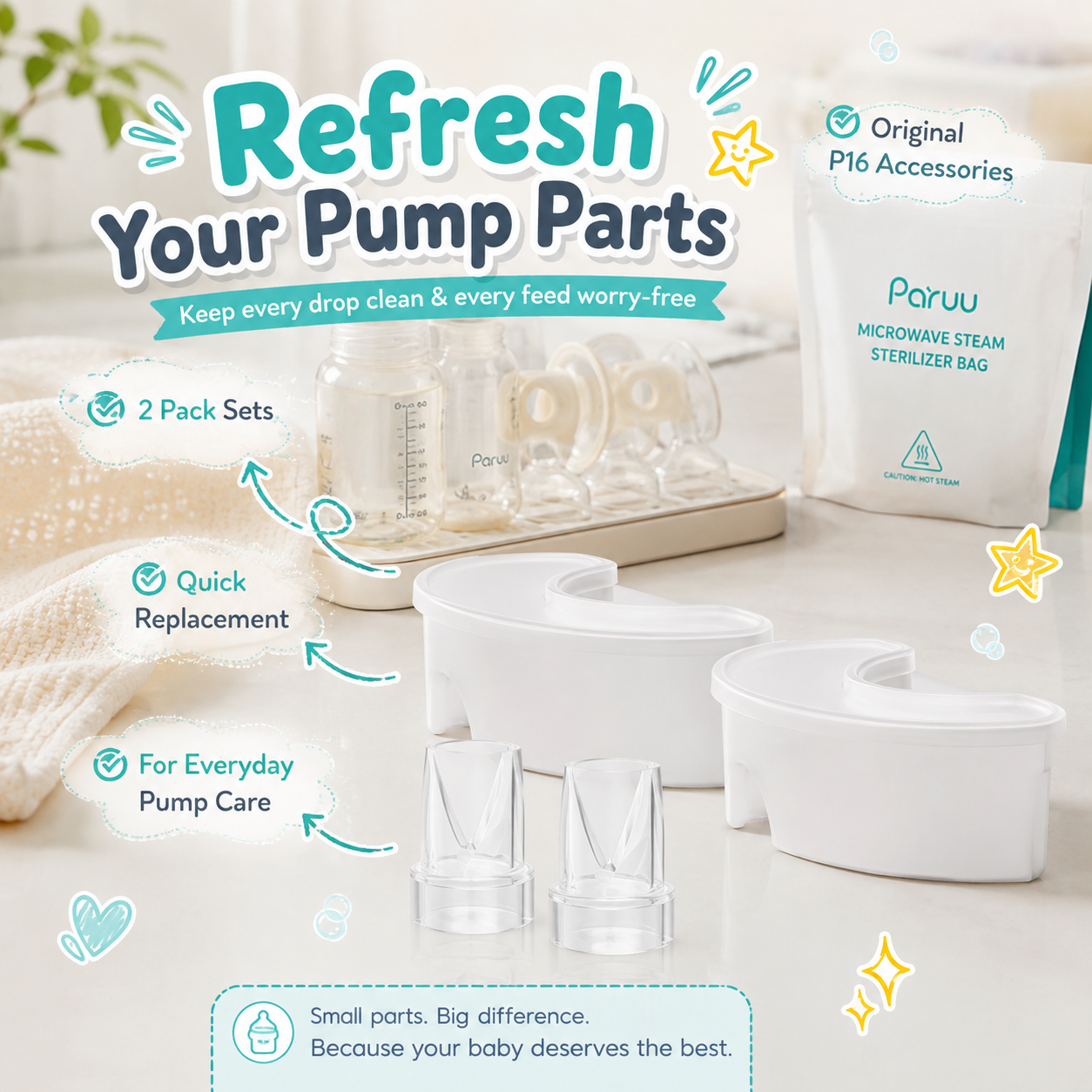
Paruu offers a P16 diaphragm and valve replacement set made specifically for the P16 wearable pump. The listing describes two complete sets and food-grade, BPA-free materials for milk-contact components. It also gives cleaning guidance that includes hand-washing with warm, soapy water or sanitizing at temperatures up to 100°C/212°F. Specific compatibility is important here: replacement parts should be selected for the exact pump model rather than assumed to be interchangeable.
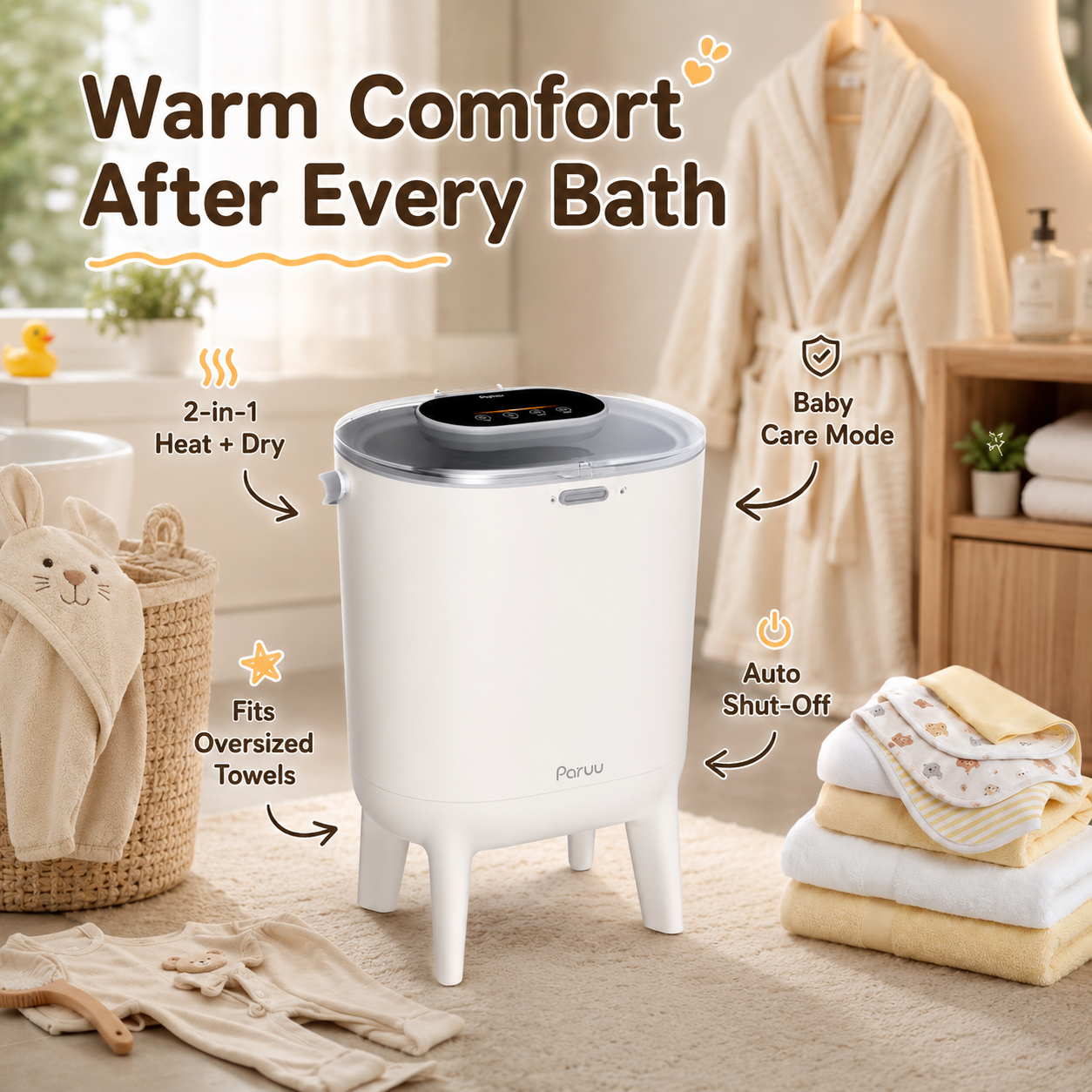
There is also a full collector cup replacement set for the Paruu P10 breast pump. It is designed for the P10 model and includes a 28 mm single-sealed flange. This is a useful reminder that a complete feeding setup is not only about the device itself. Collection cups are the pieces that are assembled, disassembled, washed, dried, packed, and occasionally misplaced. Keeping a compatible backup at home or in a travel kit can make the routine feel more resilient.
A simple habit can help: before leaving for an overnight trip, check the pump parts as deliberately as you check diapers. Are the valves clean and intact? Is the charging plan sorted? Are the correct cups and inserts packed? Do you have a clean storage pouch? Small checks reduce the odds of having to troubleshoot when time is already limited.
Comfort accessories belong in the conversation, too
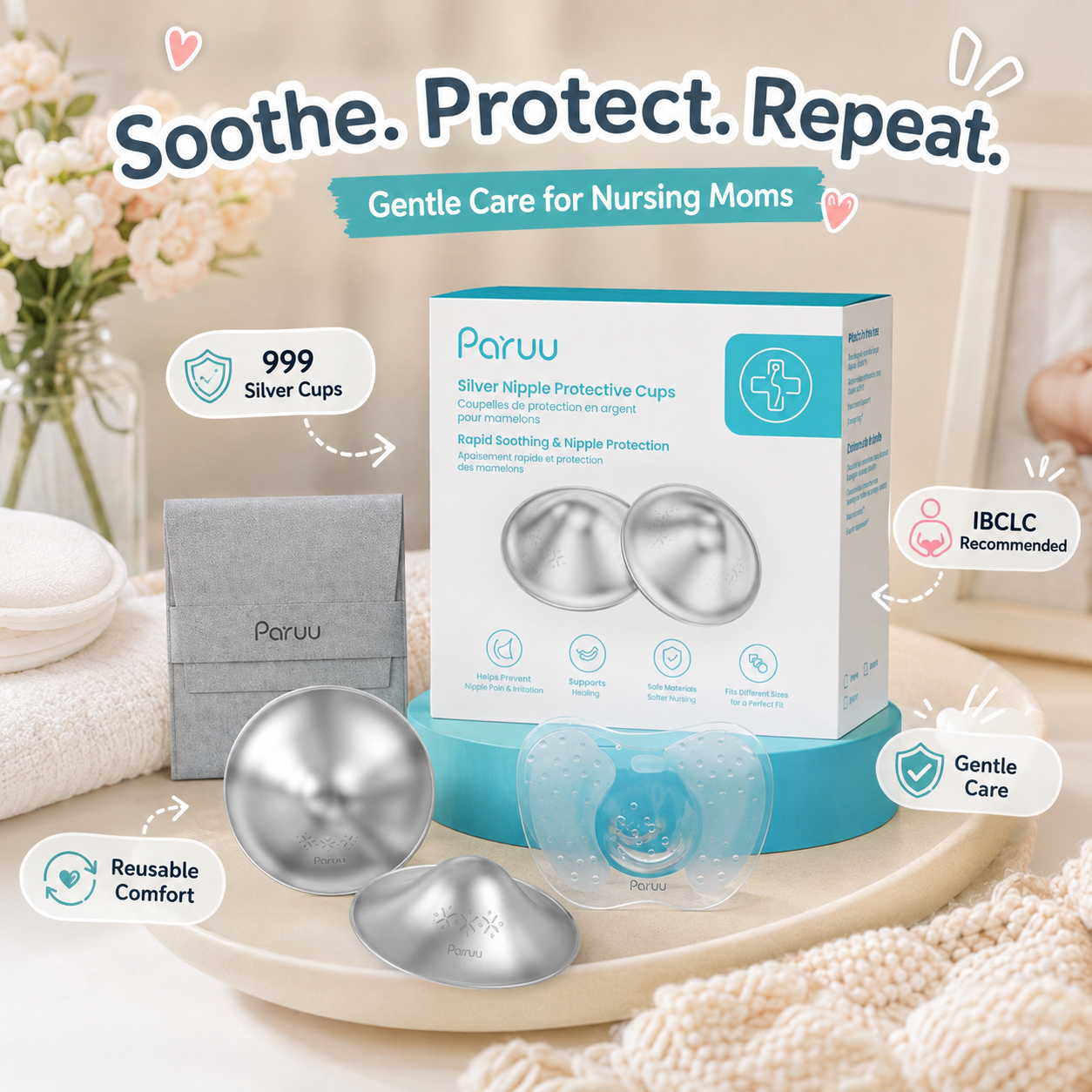
Feeding and pumping schedules can be demanding, and comfort should not be treated as an afterthought. Paruu’s NS100 nursing cups use a 999 silver electroplated surface with a food-grade copper core and come with silicone nipple covers. They are reusable and intended as a nursing accessory for parents dealing with the day-to-day realities of breastfeeding.
It is worth keeping expectations grounded. Any ongoing nipple pain, skin damage, signs of infection, latch difficulties, or concerns about milk transfer should be discussed with a qualified healthcare professional or lactation consultant. Still, a reusable comfort accessory can be a sensible addition to a personal care kit when it fits an individual’s routine and professional guidance.
What makes nursing accessories travel-friendly is not just their size. It is their ability to keep a small but meaningful comfort item within reach. A compact case or clean compartment in the diaper bag can be far more useful than having the item tucked away in a bathroom cabinet at home.
From feeding station to home reset
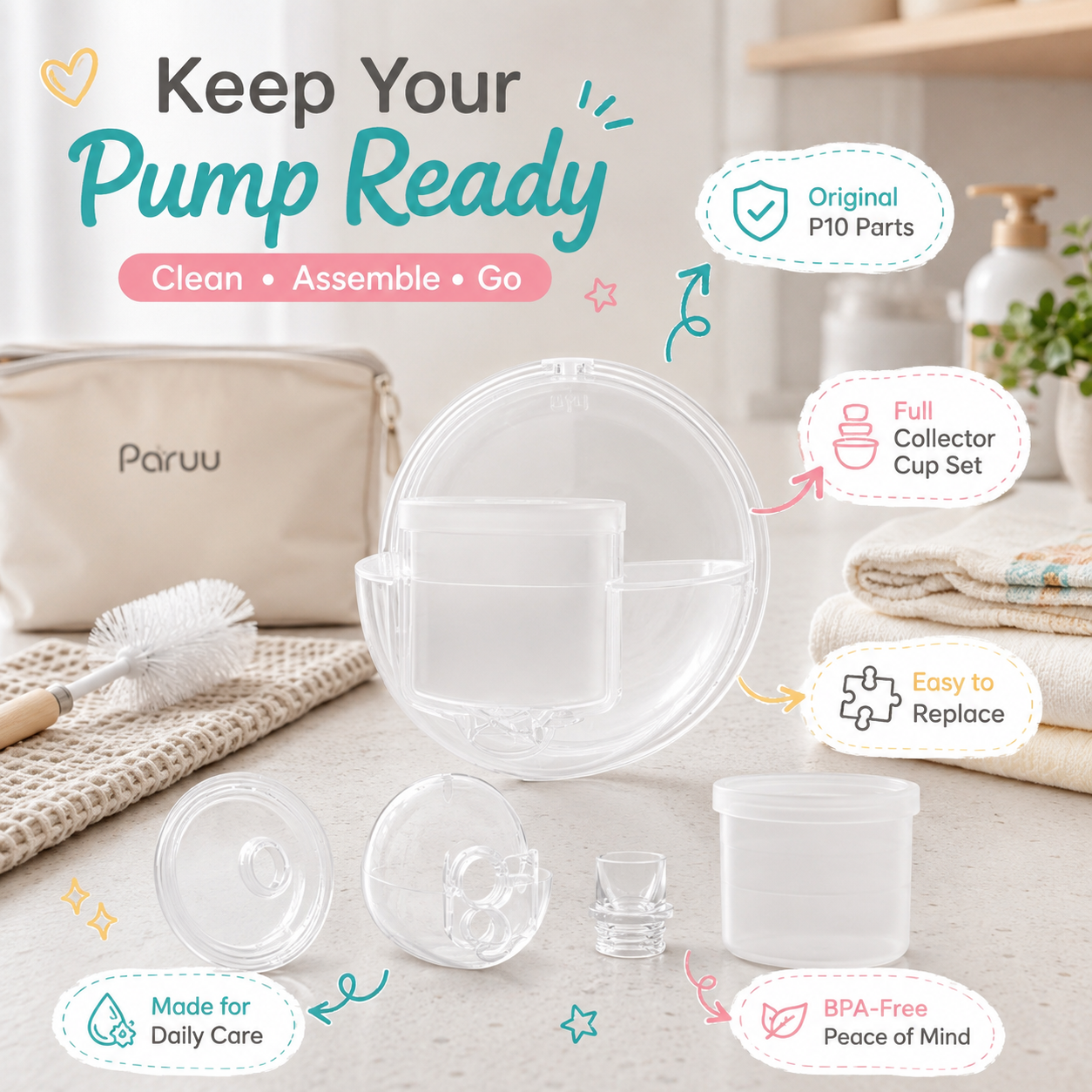
The Paruu catalog also includes a towel warmer with a baby care mode, dual child lock, automatic shutoff, an LED display, and room for up to two oversized towels, bathrobes, blankets, baby clothes, or bibs. It is not a feeding product in the narrow sense, but it belongs to the wider world of newborn care: damp bibs, burp cloths, bath-time layers, and those little fabric items that seem to multiply overnight.
For a household with a new baby, the appeal of a towel warmer is less about luxury than about creating a more comfortable handoff after a bath or having dry, warm fabric ready when needed. It is best viewed as a home-support item rather than something to pack for a weekend trip. The contrast is useful: some products solve for mobility, while others make the home base more manageable.
How to build a smarter travel feeding kit
There is no universal diaper-bag formula, but a practical kit tends to be organized around tasks rather than product categories. Start with the moments you expect to face: pumping, feeding, warming, cleaning, storing, and managing a surprise delay.
- For pumping: a charged wearable pump, the correct flange inserts, clean collection cups, and a spare set of model-compatible valves or diaphragms.
- For bottle preparation: a clean bottle, measured water or safely stored milk as appropriate for your routine, and a portable warmer if you expect to be away from reliable kitchen access.
- For cleanup: a dedicated pouch for clean parts, a separate bag for used parts, and the cleaning supplies that fit your own travel plan.
- For comfort: nursing accessories that have a clear place in the bag, rather than being loosely tucked between wipes and receipts.
- For backup: an extra feeding option or a written plan for what to do if the outing takes longer than expected.
It is tempting to overpack, especially in the early months. Yet the better approach is usually to pack deliberately. If an item is awkward to clean, difficult to charge, or not compatible with the rest of the system, it can add stress rather than relieve it. A well-chosen kit has a quiet kind of usefulness: everything is there, but nothing is fighting for attention.
Who may find Paruu’s approach useful?
The Paruu lineup is most relevant for parents who want feeding equipment that works across both ordinary days and more mobile ones. A wearable pump may appeal to those who need flexibility around work, errands, or shared caregiving. A portable warmer may suit families who are often in transit or who prefer a controlled warming option away from home. Replacement parts make sense for existing P16 or P10 users who want to maintain their setup with components designed for their specific model.
It is also a collection that encourages a helpful mindset: build the routine in layers. Start with the essentials that directly support feeding. Add backups where a missing small part would derail the day. Then consider comfort and home-care items that make the overall experience easier. That progression is more realistic than searching for one product that promises to solve every challenge of newborn life.
Ultimately, portable feeding gear should feel like support, not another project. The best setup is the one that fits your family’s pace, respects safe milk-handling practices, and gives you a little more confidence when the day does not go according to schedule. Whether the plan is a short coffee run, a full workday, or a trip across town, thoughtfully selected Paruu essentials can help make pumping, warming, and feeding feel more organized and less improvised.