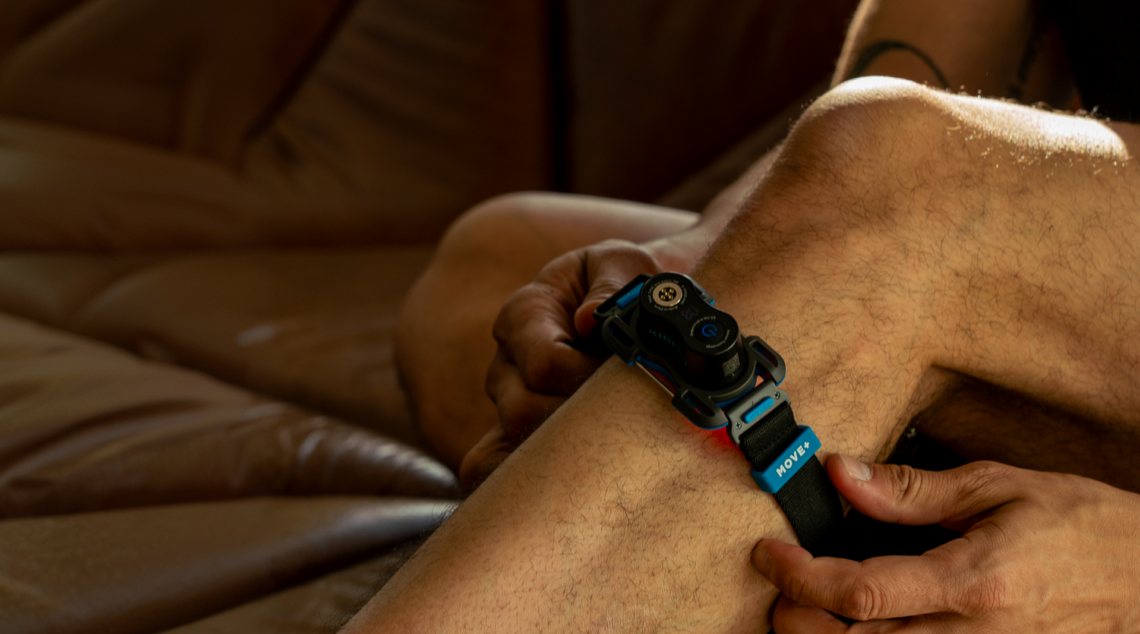
There’s a quiet shift happening in how people think about joint pain. Not long ago, the conversation centered on rest, medication, or in more severe cases, surgery. Today, more people are looking for something in between—solutions that are practical, non-invasive, and designed to fit into everyday life. That’s where wearable therapy has started to gain real traction, and brands like Kineon are at the center of that movement.
What makes this space interesting isn’t just the technology—it’s how seamlessly it’s being integrated into daily routines. Instead of carving out time for treatment, the treatment comes with you. Whether you’re walking the dog, working at your desk, or winding down at night, the idea is simple: relief without disruption.
Why Joint Pain Solutions Are Evolving
Joint pain doesn’t just affect athletes or older adults—it’s surprisingly widespread. Long hours sitting, repetitive strain, and even general wear and tear can lead to discomfort that lingers. The challenge is that traditional solutions often feel like trade-offs. Painkillers may provide temporary relief, but they don’t address underlying issues. Physical therapy requires consistency and time. Surgery, while effective for some, is a significant step that not everyone is ready for.
This gap has opened the door for wearable solutions that aim to support recovery and mobility in a more flexible way. Companies like Kineon are exploring how technology can be applied directly to the body—targeting the problem area without affecting the rest of your system.

What Sets Wearable Therapy Apart
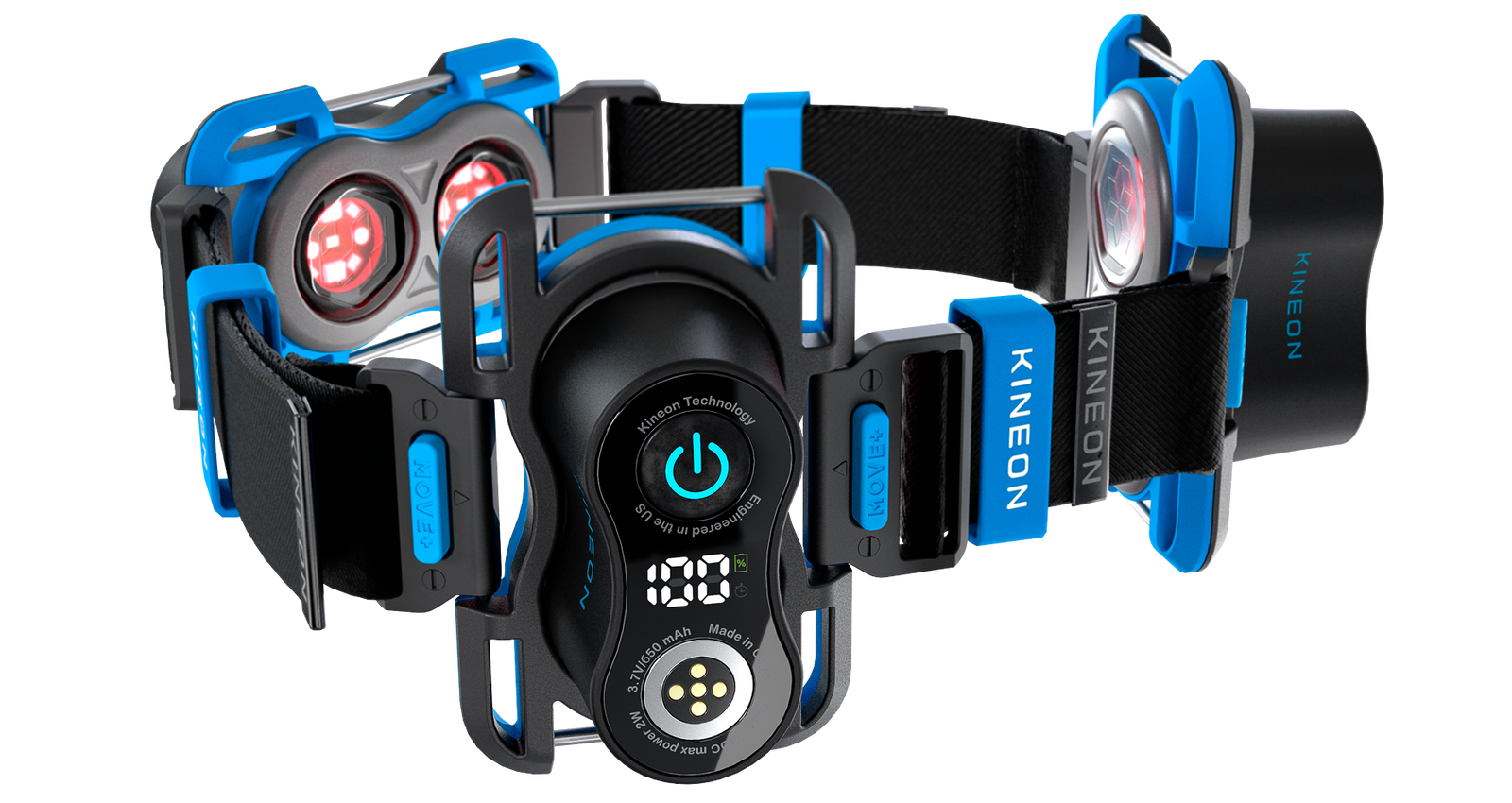
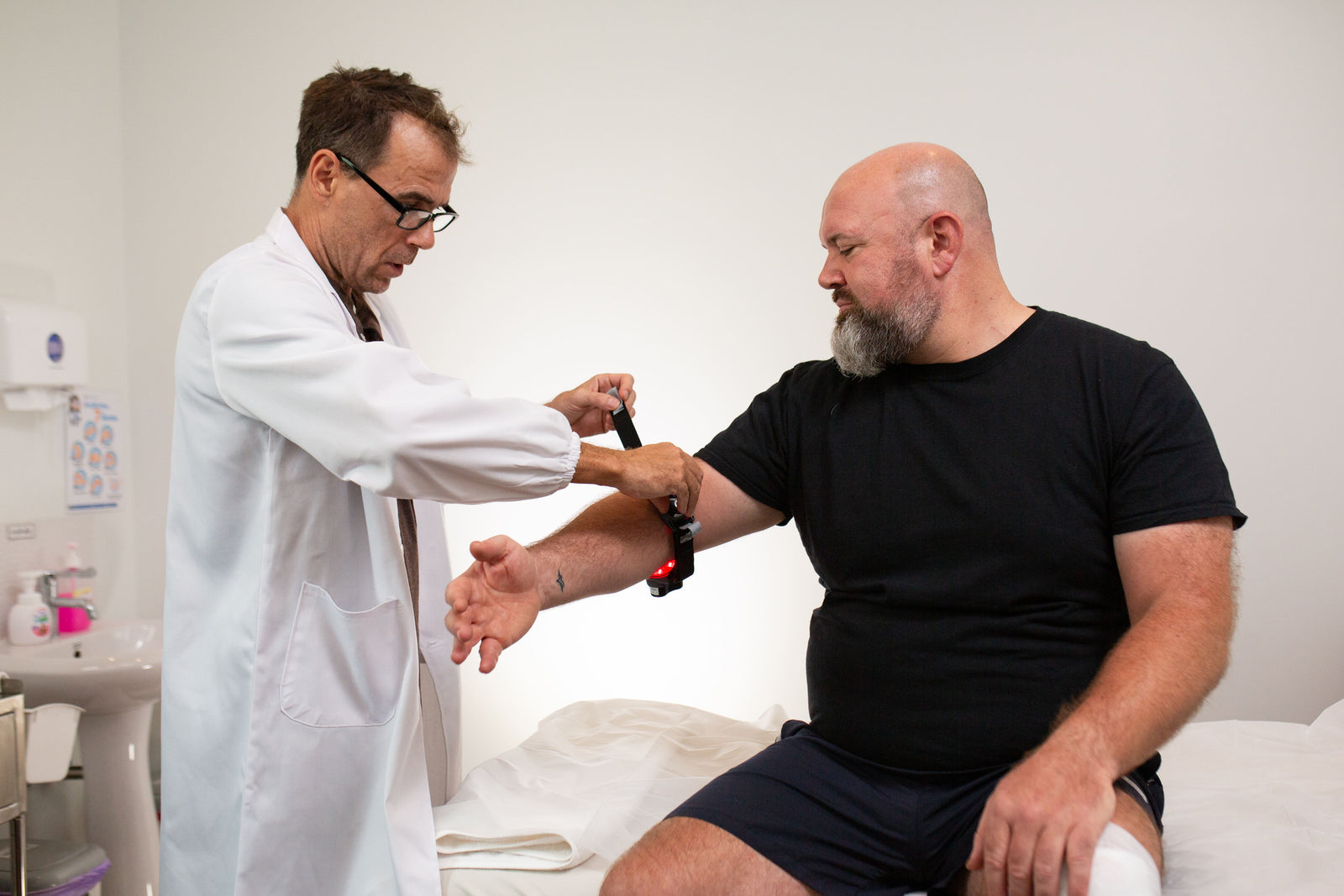
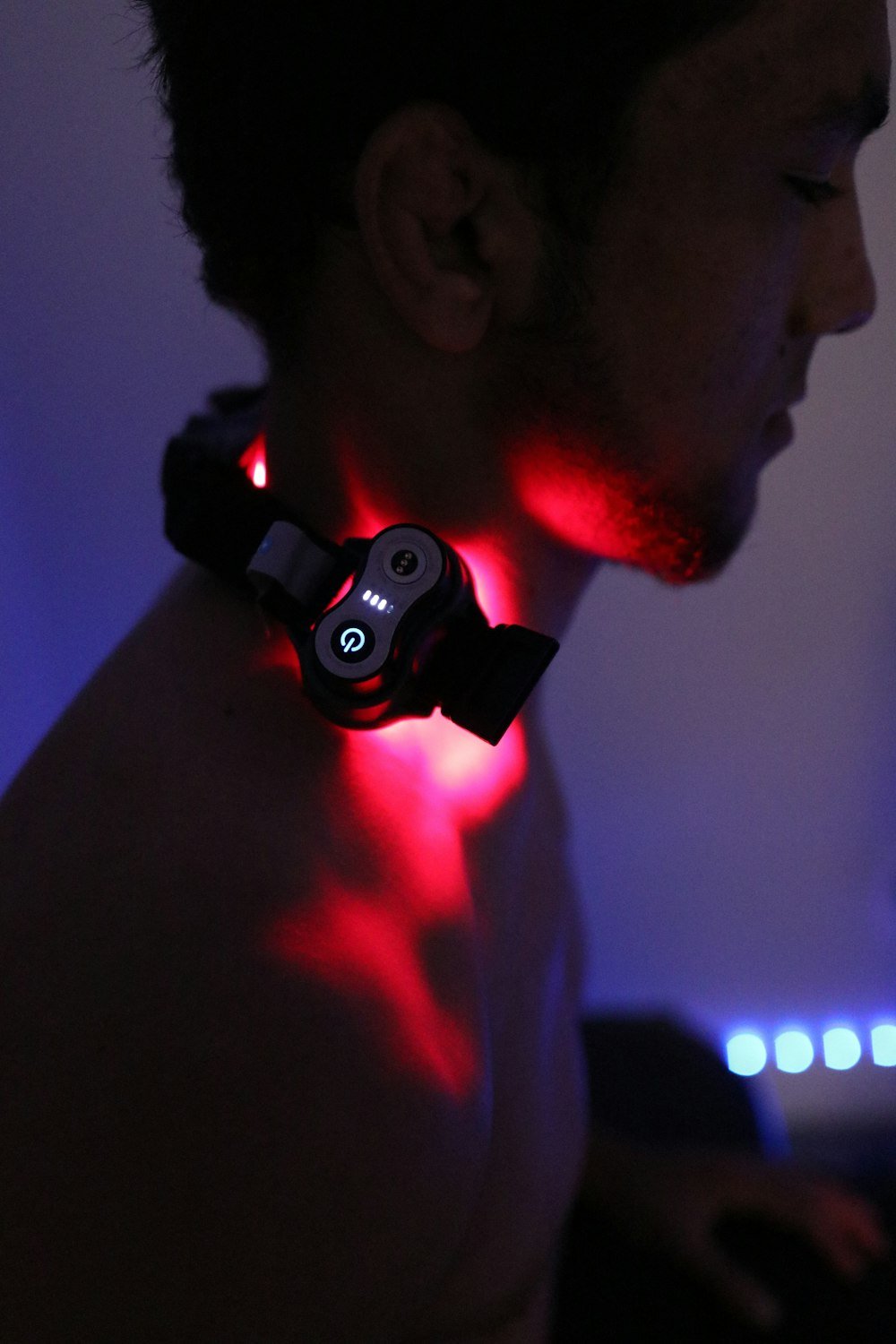
At first glance, wearable joint devices might look similar to traditional braces. But the difference lies in what they actually do. Rather than simply stabilizing the joint, newer devices are designed to actively support the healing process. That might involve light-based therapy, vibration, or other forms of targeted stimulation.
With Kineon, the focus is on combining support with technology. The goal isn’t just to reduce pain in the moment, but to encourage better function over time. This distinction matters, especially for people who want to stay active rather than scale back their lifestyle.
It’s also worth noting that usability plays a big role here. If a device is too complicated or uncomfortable, it simply won’t get used consistently. The appeal of something like Kineon is that it’s designed to be worn without interrupting your day—something that sounds simple but is surprisingly rare in this category.
Real-Life Scenarios: Where It Fits In
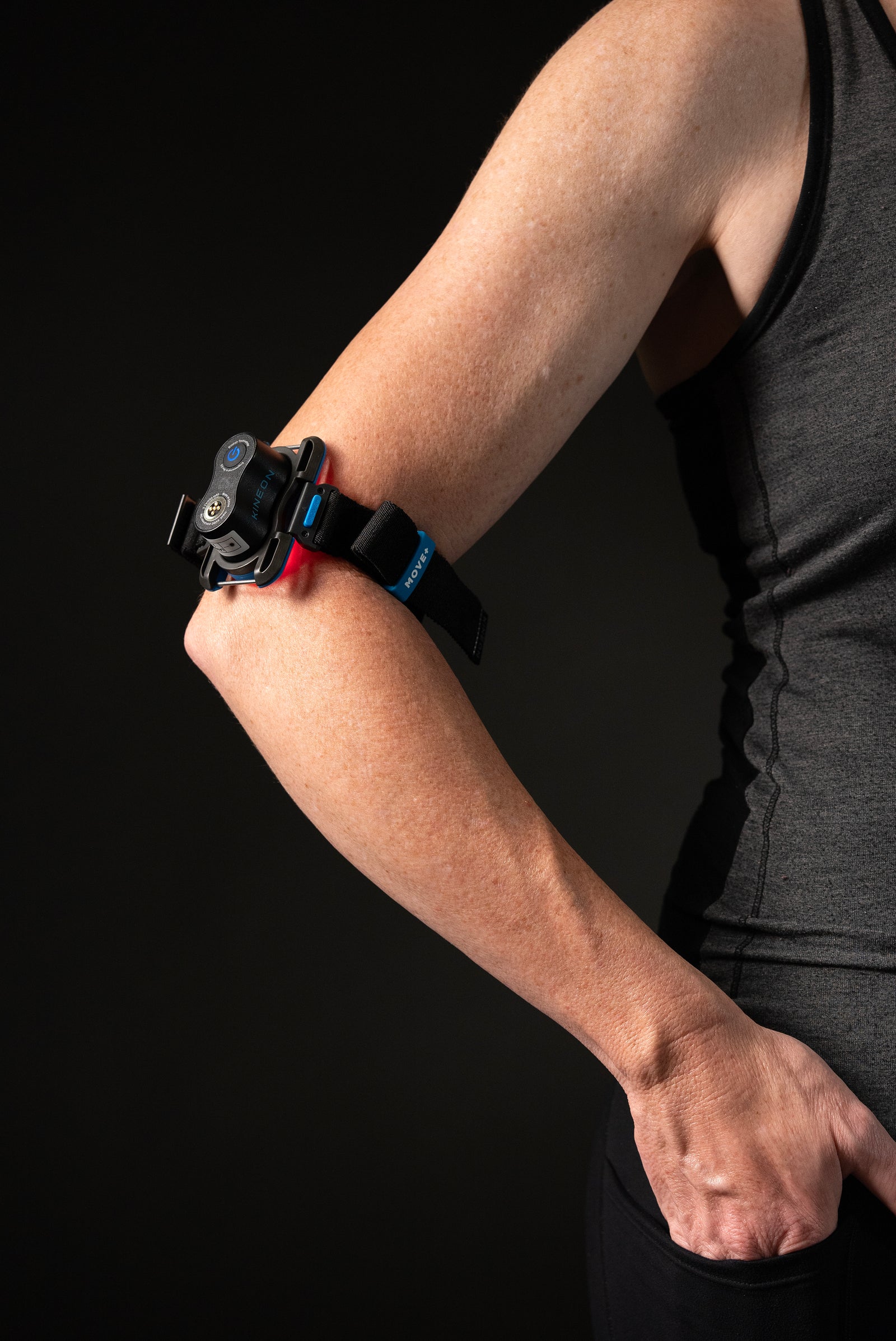
Consider someone who enjoys running but has started to feel knee discomfort after longer distances. Cutting back entirely isn’t ideal, but pushing through the pain isn’t sustainable either. A wearable solution offers a middle ground—support during recovery periods without forcing a complete stop.
Or think about someone working a desk job. Sitting for extended periods can lead to stiffness that builds up gradually. In this case, a device from Kineon might be used in the evening, helping to ease discomfort without adding another task to an already busy schedule.
These scenarios highlight something important: the value of flexibility. A solution doesn’t need to be dramatic to be effective. Sometimes, it just needs to fit.
Design That Acknowledges Real Life
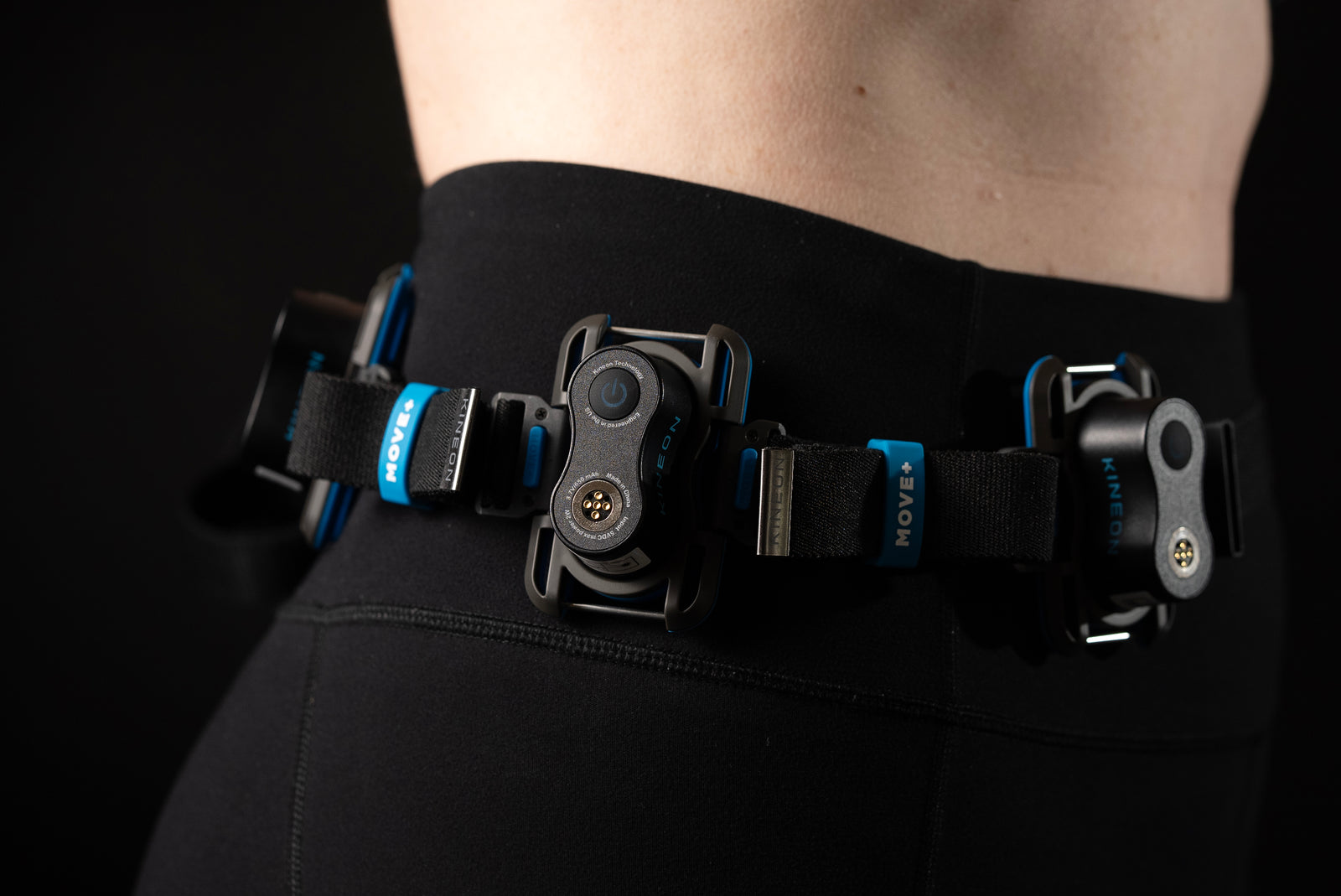
One of the more understated aspects of wearable therapy is design. Not just how it looks, but how it feels after an hour, or two, or an entire evening. If a device is bulky or restrictive, it quickly becomes impractical.
Kineon leans into a design philosophy that prioritizes comfort and ease of use. Adjustable fits, intuitive controls, and a form factor that doesn’t draw unnecessary attention all contribute to whether a product becomes part of someone’s routine—or ends up in a drawer.
There’s also a psychological element here. When something feels approachable and easy to use, people are more likely to stick with it. And consistency, as any physical therapist will tell you, is often the key to meaningful improvement.

A Different Kind of Commitment
What’s interesting about wearable joint solutions is that they shift the idea of commitment. Instead of committing to a clinic schedule or a major procedure, users commit to small, manageable sessions that add up over time.
This incremental approach is part of what makes Kineon appealing. It doesn’t ask for a complete lifestyle overhaul. Instead, it works alongside your existing habits, which makes it easier to maintain over the long term.
Of course, no single solution works for everyone. Joint pain can have many causes, and what works for one person may not work for another. But having more options—especially ones that are accessible and low-impact—is a positive step forward.
Balancing Expectations with Practical Use
It’s important to approach any wearable solution with realistic expectations. These devices aren’t magic fixes, and they don’t replace professional medical advice. What they can do, however, is provide an additional layer of support—something that complements other efforts like exercise, stretching, or guided therapy.
In that sense, Kineon fits into a broader toolkit. It’s not about choosing one approach over another, but about combining methods in a way that makes sense for your body and your routine.
This balanced perspective is often what leads to better outcomes. Rather than relying on a single solution, users can adapt and adjust based on how they feel over time.
Where Wearable Therapy Is Heading
The future of joint care is likely to be more personalized, more integrated, and more responsive to individual needs. Wearable technology is a big part of that shift, offering the potential for targeted support that evolves alongside the user.
Brands like Kineon are helping to define what that future might look like—one where managing joint discomfort doesn’t mean stepping away from the activities you enjoy, but finding smarter ways to stay engaged with them.
As more people explore these options, the conversation around joint health is becoming less about limitations and more about possibilities. And that, in itself, is a meaningful change.