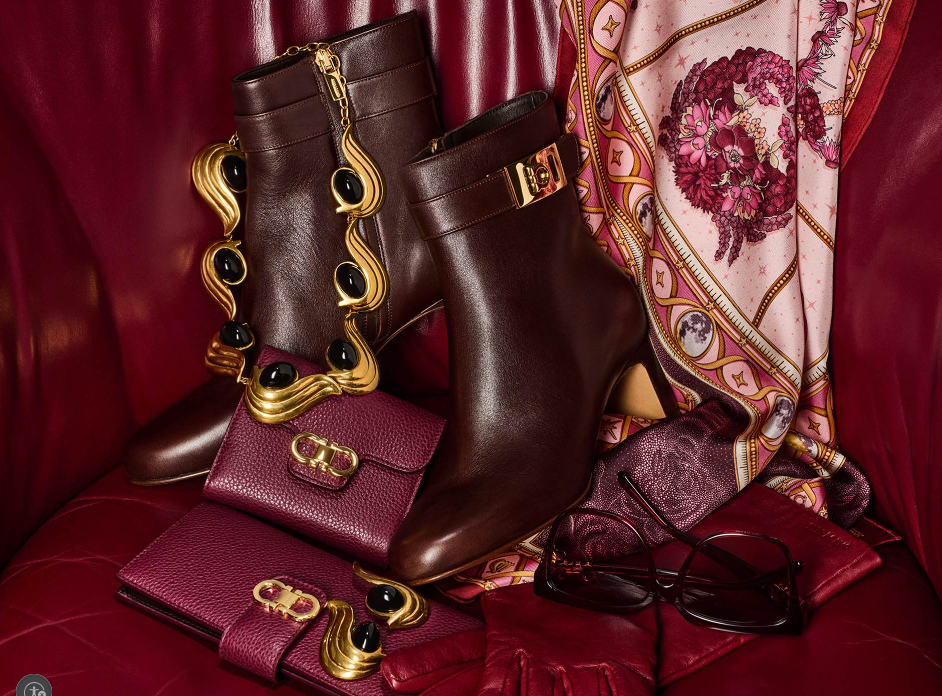
Discovering Ferragamo: A Distinctive Approach to Luxury
Luxury fashion is about more than recognizable logos or seasonal trends. The most memorable pieces combine thoughtful design, skilled craftsmanship, quality materials, and a distinctive point of view. Ferragamo brings these elements together through a fashion philosophy rooted in Italian creativity and a long-standing appreciation for beautiful, functional design.
Known for its footwear, leather goods, ready-to-wear collections, and accessories, Ferragamo has developed a recognizable identity that balances traditional elegance with contemporary expression. Its collections appeal to people who appreciate refined details but also want their wardrobes to feel personal rather than predictable.
The official website, www.ferragamo.com, offers an opportunity to explore this world in one place. Visitors can browse women’s and men’s fashion, discover signature accessories, review seasonal collections, and learn more about the inspirations behind the brand’s designs. Whether you are searching for a pair of sophisticated shoes, a handbag for everyday use, or an accessory that elevates a special outfit, Ferragamo offers a variety of ways to approach luxury dressing.
What makes the brand especially interesting is its ability to draw on its history without allowing the past to define every new collection. Its heritage provides a foundation for experimentation, giving familiar design elements new relevance for modern wardrobes.
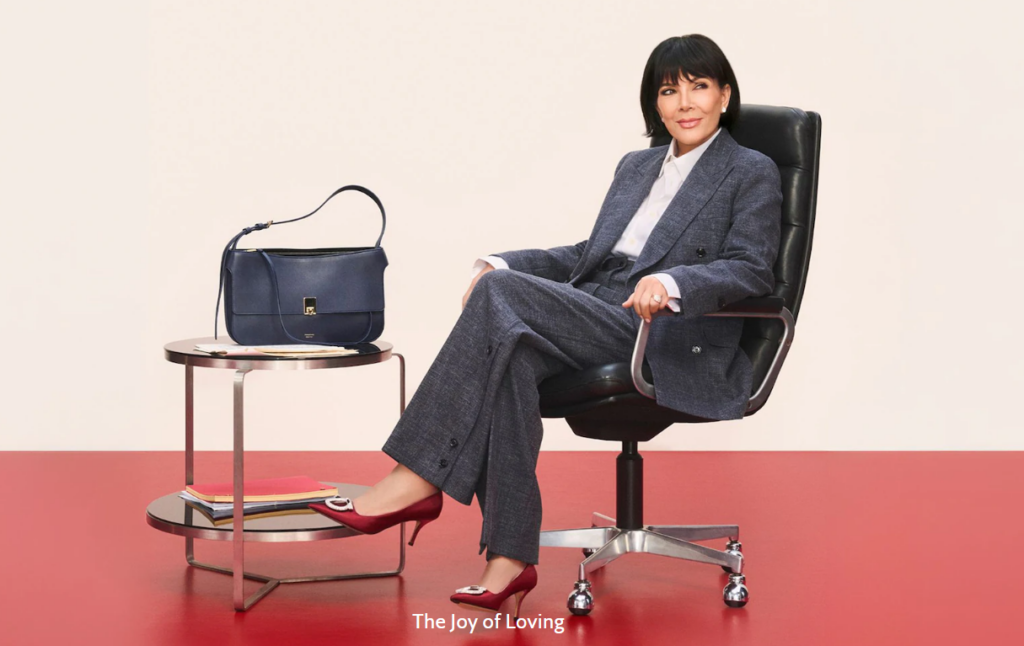
From a Passion for Shoes to an International Fashion House
Ferragamo’s story began with its founder, Salvatore Ferragamo, who was born in Italy in 1898. His interest in shoemaking developed early, and his career eventually took him to the United States, where he opened the Hollywood Boot Shop in 1923. His work attracted attention in the entertainment world, helping establish his reputation for creating distinctive footwear.
In 1927, he established his company in Florence, Italy, bringing his professional focus back to the country whose artistic traditions would become central to the brand’s identity. His approach combined an interest in aesthetics with careful attention to fit, construction, and the relationship between a shoe and the person wearing it.
This emphasis on the practical experience of fashion helped distinguish Ferragamo from brands concerned primarily with appearance. A beautifully designed shoe also needed to function well, feel comfortable, and support the wearer through real activities.
Over the following decades, the business expanded beyond footwear. Leather goods, women’s clothing, men’s collections, silk accessories, and other product categories gradually became part of the brand’s offering. Each new category created opportunities to reinterpret its design language for different parts of everyday life.
Today, Ferragamo continues to draw inspiration from its extensive design archive while introducing contemporary silhouettes, materials, and styling ideas. Its history is therefore more than a collection of famous products. It represents an ongoing conversation between craftsmanship, experimentation, and the changing ways people express themselves through fashion.
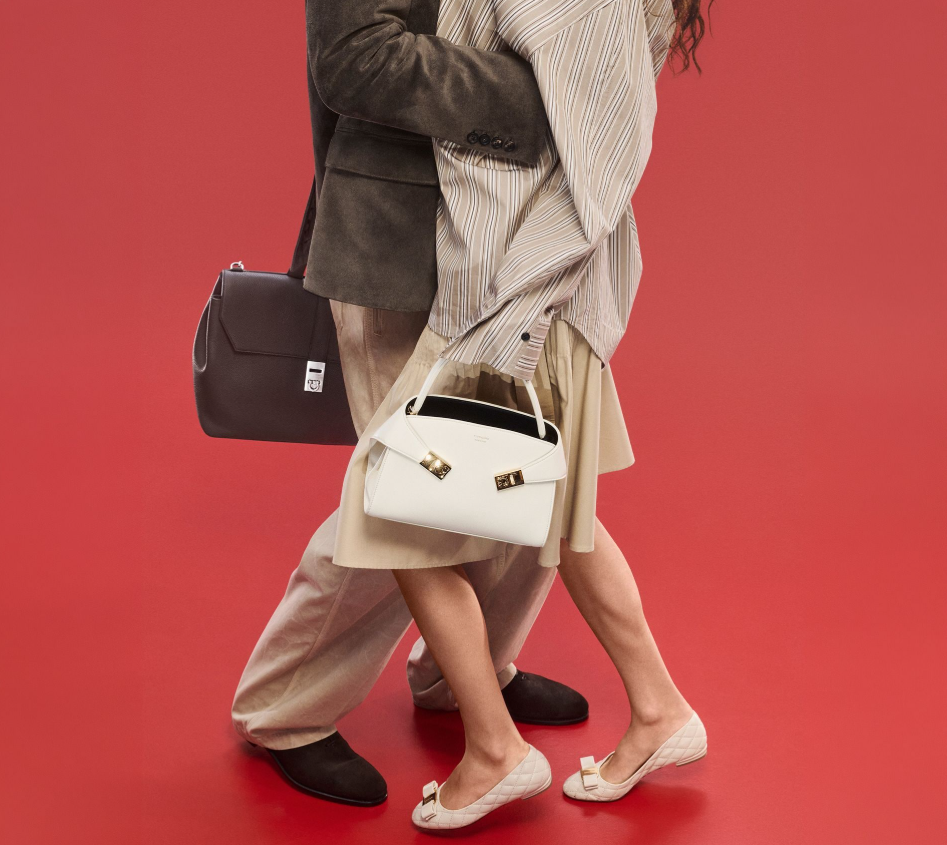
Craftsmanship at the Center of the Ferragamo Experience
One of the most important aspects of Ferragamo is its commitment to craftsmanship. Luxury products often reveal their character through details that may not be immediately obvious in a photograph: the way leather feels, how a shoe is constructed, how a bag maintains its shape, or how individual components work together.
These details matter because they influence both the appearance and practical experience of an item. A well-designed shoe should complement an outfit while remaining appropriate for its intended use. A handbag should offer visual appeal alongside useful space, functional closures, and a shape that suits its owner.
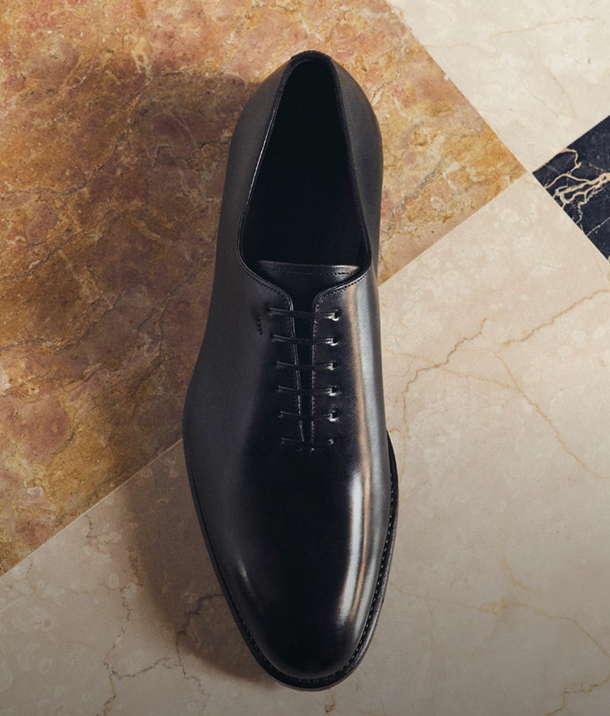
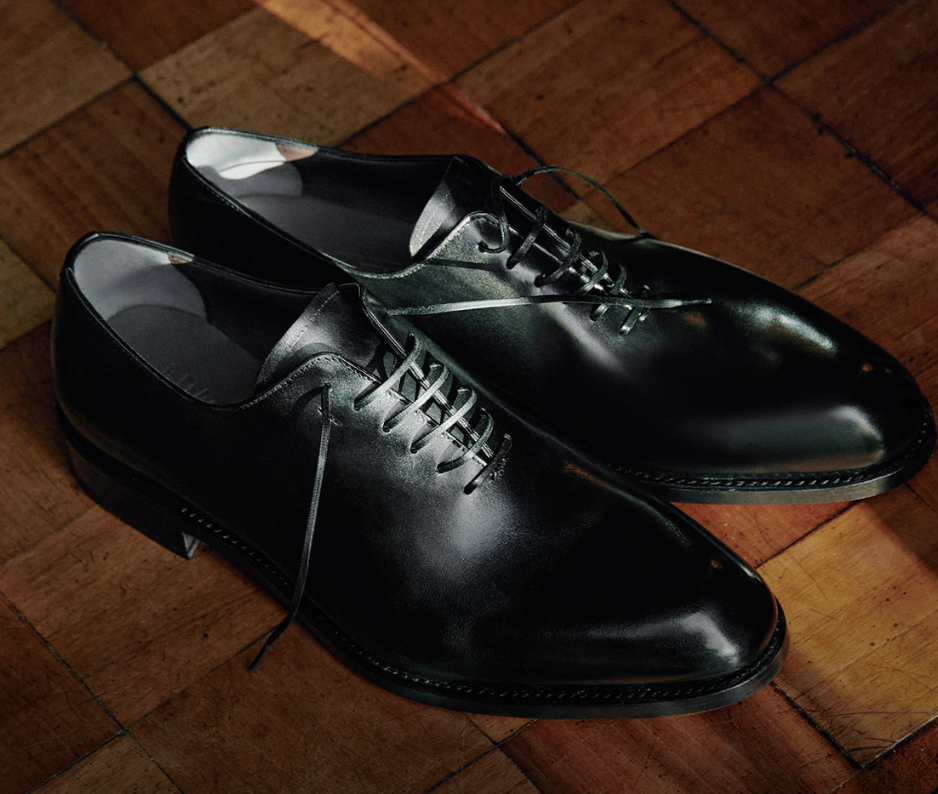
Ferragamo‘s footwear heritage is particularly relevant here. Its collections include different constructions, materials, heel shapes, and styles designed for occasions ranging from formal events to everyday wear. The brand also offers specialist men’s footwear, including its Tramezza line, which emphasizes traditional construction techniques and meticulous workmanship.
When evaluating a luxury purchase, it is useful to look beyond the overall design. Consider the finish of the material, the quality of the stitching, the shape of the product, and whether its construction matches your expectations. These practical details can help you decide whether a particular piece deserves a place in your wardrobe.
Craftsmanship also contributes to the emotional appeal of luxury fashion. A thoughtfully made accessory can become associated with important events, professional achievements, or personal milestones. Rather than serving as a disposable seasonal purchase, it may remain meaningful for years.
Footwear That Balances Elegance and Everyday Function
Shoes remain one of Ferragamo’s defining categories, and the collection offers options for a wide range of personal styles. From elegant pumps and refined flats to loafers, leather sandals, boots, and men’s dress shoes, the assortment makes it possible to approach footwear as both a practical necessity and a central part of an outfit.
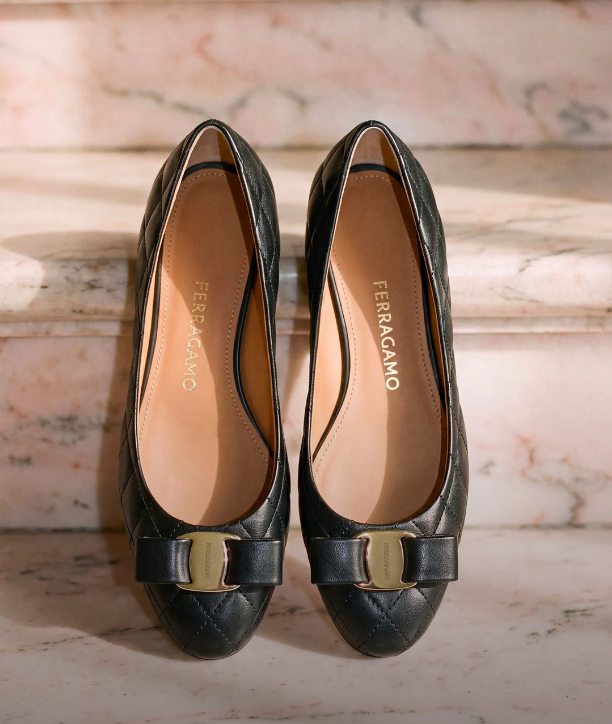
For women, classic flats and understated pumps can provide a foundation for a versatile wardrobe. They work with tailored trousers, dresses, skirts, and denim, making them useful choices for people who want to move between professional and social settings without completely changing their look.
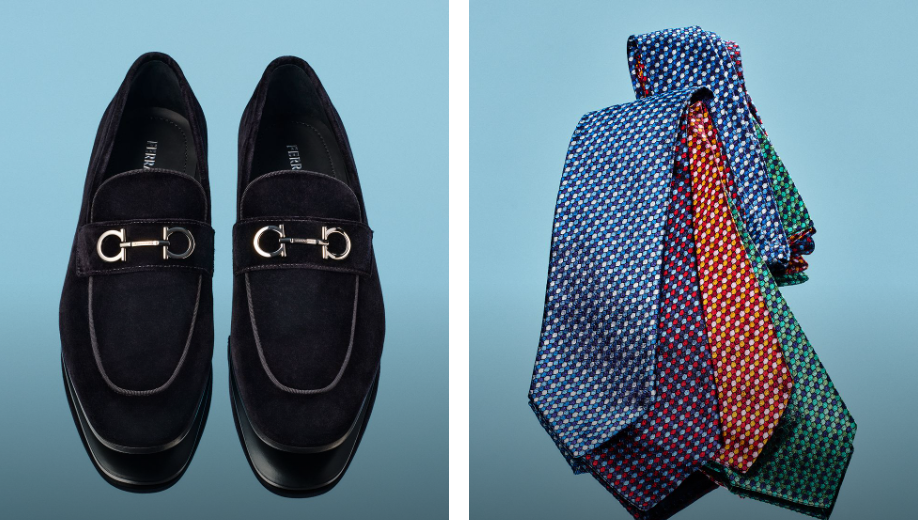
For men, leather loafers and formal lace-up shoes can complement business clothing, smart-casual combinations, and occasion wear. The right pair can sharpen the appearance of a simple outfit without requiring additional accessories.
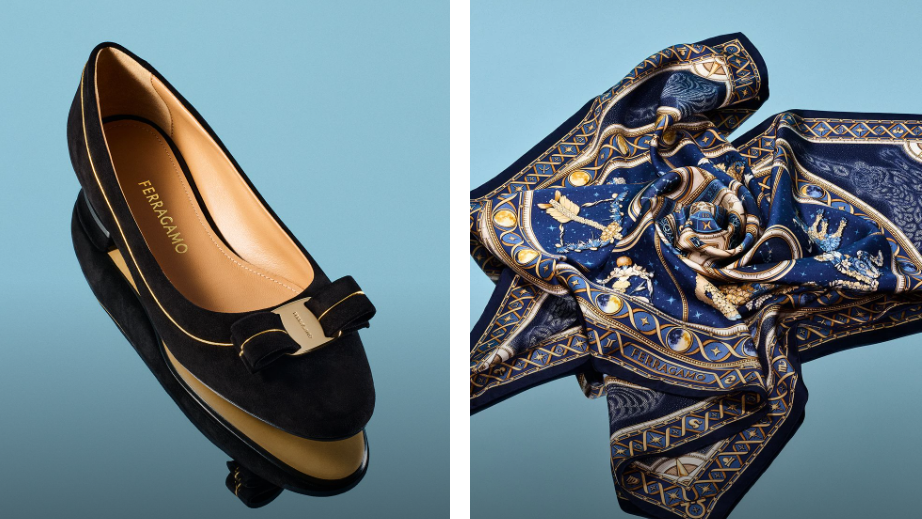
Ferragamo is also known for recognizable designs that connect its current collections with its history. The Vara shoe, introduced in 1978, is an important example. Its rounded toe and decorative bow offer a softer alternative to more severe formal footwear, illustrating how a relatively restrained design can develop a lasting identity.
When choosing shoes, begin with the situations in which you expect to wear them. Think about walking distances, climate, dress codes, and the clothing already in your closet. Check the sizing information and product details, and pay attention to the materials and sole construction.
A visually appealing pair may not be the most useful choice for every occasion. Selecting footwear that suits your lifestyle makes it easier to enjoy its design and incorporate it into regular rotation.
Handbags That Add Character to a Wardrobe
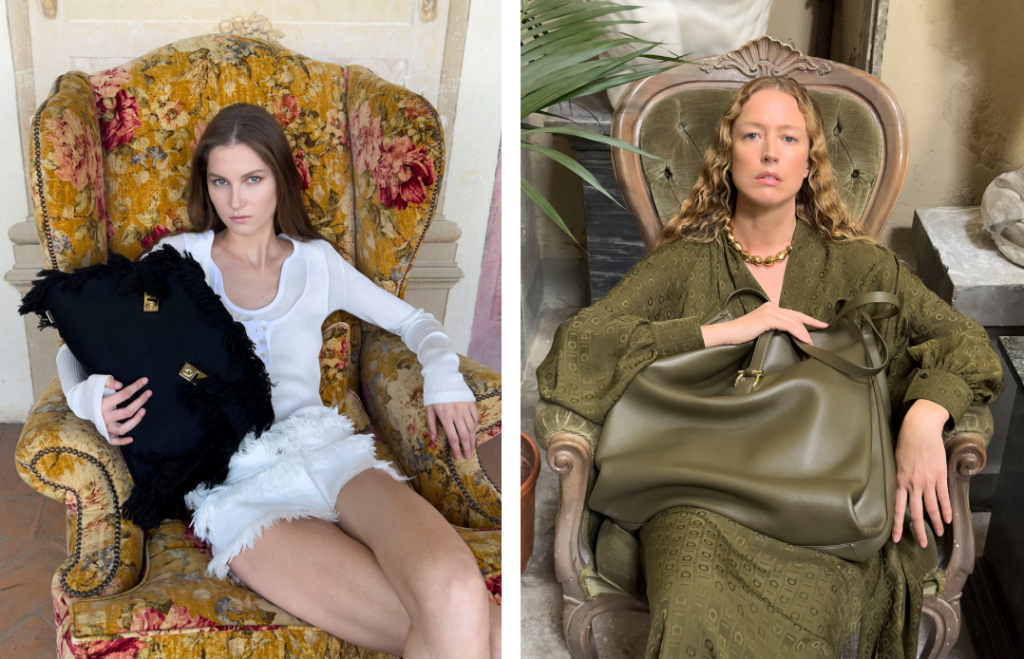
A handbag often occupies a special place in a wardrobe because it combines practical value with a strong visual presence. Ferragamo’s leather goods collections offer different silhouettes, sizes, finishes, and carrying options, allowing shoppers to choose a bag that fits both their routines and their aesthetic preferences.
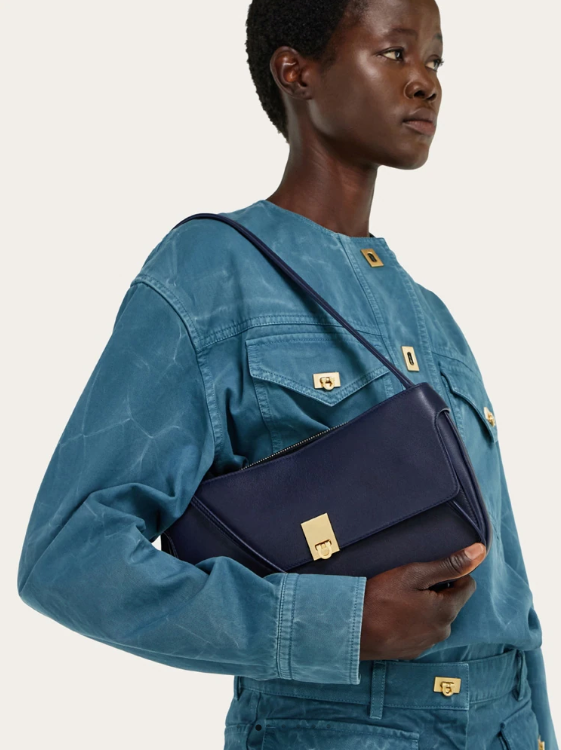
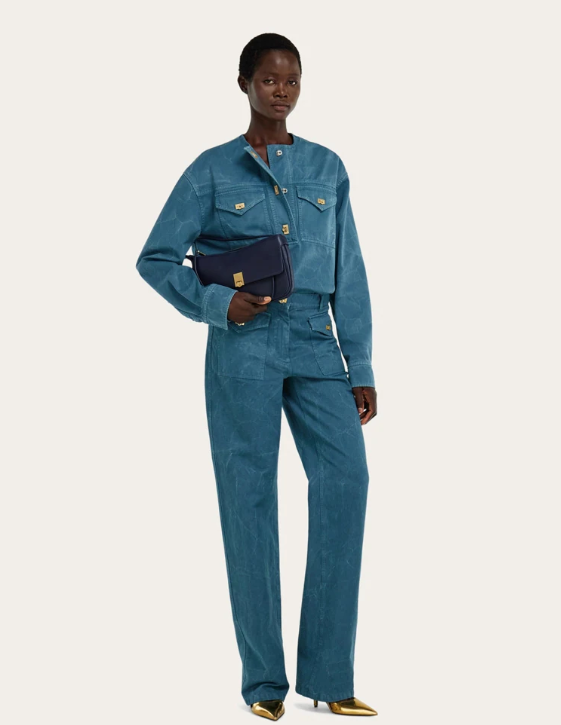
A compact shoulder bag can be suitable for dinners, events, and days when carrying only a few essentials is enough. A larger handbag may be more useful for commuting, shopping, or longer days away from home. Crossbody designs can provide additional convenience when mobility matters, while structured styles may complement tailored outfits.
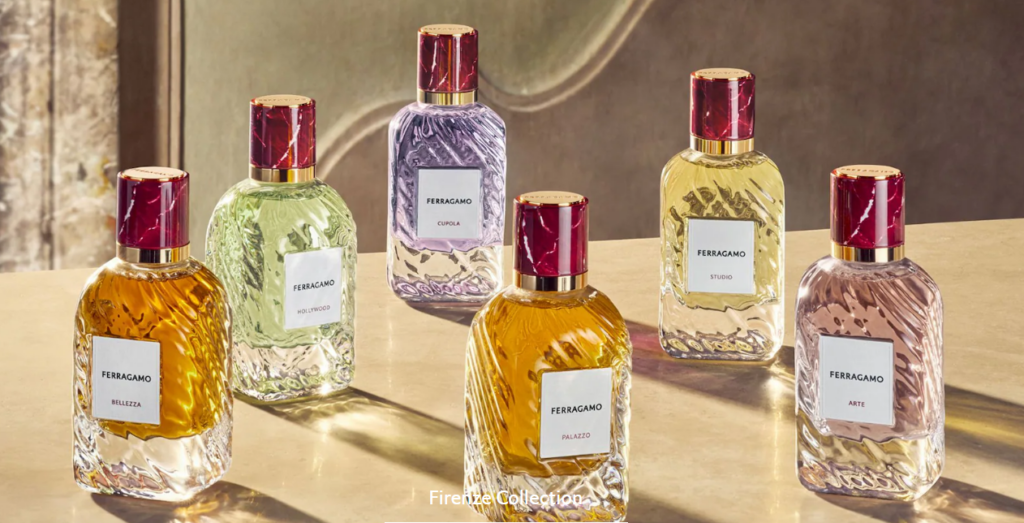
The Hug bag is one of the contemporary signatures of the brand. Its distinctive shape and folded leather details give it a recognizable appearance without relying exclusively on conspicuous branding. The collection has also continued to evolve through different sizes, materials, and seasonal interpretations.
When choosing a handbag, consider more than its appearance. Review the dimensions, interior organization, strap length, closure, and weight. Think about whether it can accommodate your everyday essentials and whether its color will work with the clothing you wear most often.
Neutral shades such as black, brown, and beige are generally easy to coordinate with a broad range of outfits. A more expressive color or distinctive finish, however, can make a useful statement piece when the rest of your wardrobe is relatively understated.
The best handbag is not necessarily the one attracting the most attention. It is the one that combines an appealing design with the features you genuinely need.
Ready-to-Wear and Accessories for a Complete Look
Although footwear and leather goods are central to Ferragamo’s identity, the brand’s wider fashion offering provides additional opportunities for self-expression. Ready-to-wear clothing, silk products, belts, eyewear, and other accessories can help create a more coordinated personal style.
Clothing is particularly useful for exploring the relationship between structure and movement. A tailored jacket can introduce definition to an outfit, while a fluid shirt or relaxed pair of trousers can create a more casual impression. Combining pieces with different textures and proportions often produces a more interesting result than matching every item too closely.
Silk accessories offer another way to introduce color and pattern. A scarf can soften a structured coat, add interest to a simple knit, or bring a fresh accent to an otherwise neutral outfit. A carefully selected belt can help define the waist or connect the colors of shoes and other accessories.
For a balanced look, choose one or two focal points rather than making every component compete for attention. For example, a patterned scarf can work particularly well with a restrained outfit, while an architectural handbag may look most effective alongside clean silhouettes.
Ferragamo‘s broader selection also allows shoppers to think about coordinated purchases. Someone investing in a pair of formal shoes might explore a complementary belt, while a person choosing a handbag could consider whether a silk accessory would expand its styling possibilities.
A coordinated wardrobe does not need to be identical from head to toe. The goal is to create a sense of visual connection while leaving room for individuality.
How Ferragamo Connects Heritage with Contemporary Design
A fashion house with a long history faces an interesting challenge: it must preserve the qualities that make it recognizable while responding to changing tastes. Ferragamo approaches this balance by revisiting its archives and translating historical references into modern designs.
The brand’s collections demonstrate that heritage does not have to mean reproducing old products without change. Familiar shapes can be adjusted through new proportions, updated materials, different colors, and contemporary styling. This allows a classic reference to feel relevant without losing its original character.
Recent collections under creative director Maximilian Davis have explored this relationship through references to historical periods, cultural influences, and expressive silhouettes. The Spring/Summer 2026 collection, for example, revisits the rebellious energy of the 1920s through contemporary tailoring, distinctive footwear, and accessories with varied textures.
This approach may appeal to shoppers who appreciate fashion history but do not want their clothing to look overly traditional. A design can carry a sense of continuity while still feeling fresh, particularly when its proportions and details reflect modern preferences.
For customers, the practical lesson is to consider how a product fits into both present and future wardrobes. A distinctive seasonal piece may bring excitement to an outfit, while a more restrained design may offer greater flexibility over time. Neither approach is inherently better; the right choice depends on personal taste and intended use.
Shopping at Ferragamo.com: What to Explore
The official Ferragamo website is a useful starting point for exploring the brand’s collections. Rather than browsing every category without a plan, shoppers can make the experience more efficient by identifying their priorities first.
Start with the category that matters most. If you need footwear, compare relevant styles before moving on to bags or clothing. This helps narrow the selection and keeps the purchase focused on a genuine wardrobe need.
Review the product details carefully. Check available sizes, measurements, materials, color options, and construction information. Product photographs can communicate shape and finish, but written descriptions provide additional information for making a decision.
Compare similar designs. Two items may look alike at first but differ in dimensions, carrying options, heel height, or material. Reviewing these differences can reveal which product is better suited to your daily routine.
Think about cost per wear. A luxury purchase may be easier to justify when you can imagine using it across several settings. A versatile pair of shoes or a practical everyday bag may offer more opportunities for use than an item suited to only one occasion.
Check the relevant shopping policies. Before placing an order, review the shipping options, return conditions, delivery estimates, and payment information displayed for your region. Availability and terms may vary by country.
Look for a balance between personal preference and practicality. It is easy to become drawn to a product because of a campaign image or a seasonal trend. Taking a moment to consider comfort, storage, coordination, and intended use can lead to a more satisfying purchase.
For the most accurate information about current products and availability, use the official website rather than relying solely on third-party descriptions.

Building a More Versatile Wardrobe with Ferragamo
Luxury fashion becomes more useful when individual purchases work together. Instead of treating each item as an isolated statement, consider how it might complement the clothes and accessories you already own.
A simple approach is to build around a few dependable foundations. Well-fitting trousers, versatile outerwear, neutral knitwear, and understated shirts can create a flexible base. Footwear and accessories can then introduce texture, color, or a more distinctive design element.
For example, a pair of refined loafers may work with tailored trousers during the week and dark denim at the weekend. A structured handbag may complement office clothing while remaining appropriate for dinner. A silk scarf can add personality to a coat in cooler weather or provide a small accent with a lightweight top.
Care also plays an important role in making luxury purchases last. Follow the care instructions provided for each material, store leather goods away from excessive moisture and direct sunlight, and use suitable protective storage when an item is not being worn. Shoes may benefit from appropriate shoe trees and regular cleaning, while delicate accessories may require more careful handling.
When an item needs specialist attention, consult the brand’s current customer-service information or an experienced professional. Proper care cannot eliminate ordinary wear, but it can help preserve the appearance and usability of products over time.
Ultimately, a versatile wardrobe reflects the way you live. The most successful purchases are those that feel natural to wear and make it easier to express your personality.
Is Ferragamo Worth Exploring?
Ferragamo offers a distinctive combination of Italian design heritage, footwear expertise, leather goods, and contemporary fashion. Its appeal lies not only in its established name but also in the relationship between recognizable design elements and practical considerations such as fit, materials, construction, and versatility.
The brand may be particularly interesting to shoppers who appreciate elegant footwear, thoughtfully designed handbags, and accessories that can move between different settings. Those who prefer more expressive fashion can also explore seasonal collections that reinterpret historical references through modern silhouettes and unexpected details.
As with any luxury label, the value of a purchase depends on individual priorities and expectations. Consider your budget, compare product specifications, and choose pieces that suit your lifestyle rather than buying solely because a design is popular.
Visit www.ferragamo.com to explore the latest collections, discover signature designs, and find pieces that reflect your own approach to style. By combining thoughtful selection with an appreciation for craftsmanship, you can build a wardrobe that feels personal, functional, and enduring.