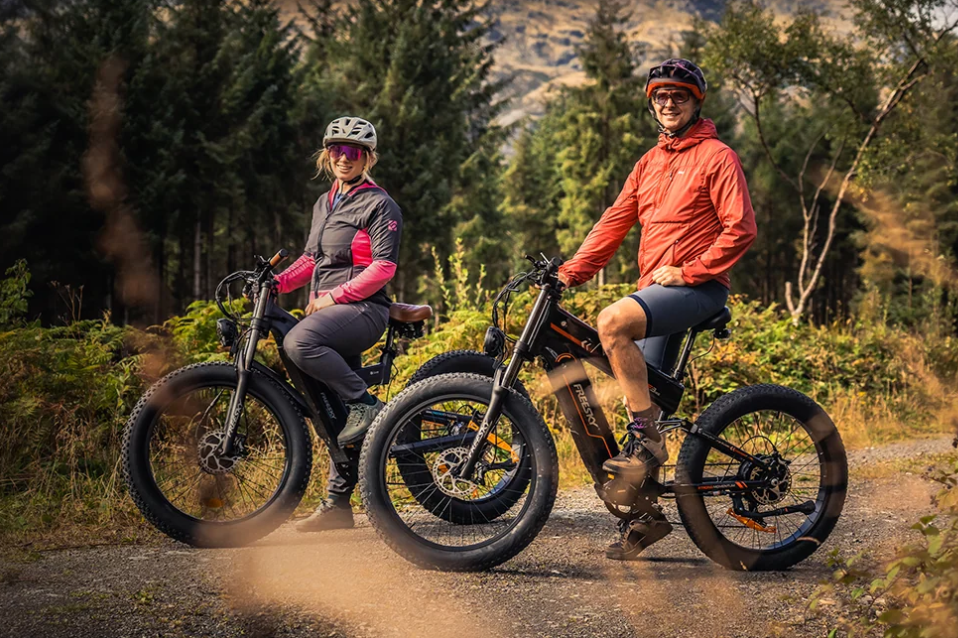
Electric bikes have evolved far beyond simple pedal-assist bicycles. Today, riders can choose models designed for city commuting, mountain trails, long-distance exploration, utility riding, or simply enjoying the outdoors without giving up the convenience of electric assistance. Freesky is a brand that places particular emphasis on powerful, all-terrain e-bikes, combining large batteries, fat tires, dual-motor configurations, step-through frames, and adventure-oriented designs.
The official Freesky website currently organizes its range into several major categories, including E-Mountain Bikes, Step-Thru E-Bikes, Dual-Motor E-Bikes, and Long Range E-Bikes. Its lineup includes models such as the Alaska Pro M-520, Warrior Ultra M-530, Eurostar Turbo M-410, Ranger Air M-540, Ranger Plus M-540, Swift Horse Ultra X-6E, and Cheetah MT-380.
Rather than treating an e-bike as merely a replacement for a traditional bicycle, Freesky’s product range is built around the idea of making electric assistance useful for a wider variety of riding environments. That makes the brand worth exploring for riders who want more capability from their next e-bike.
A Different Approach to the Electric Bike Experience
The easiest way to understand Freesky is to look at the variety of riding situations its bikes are designed to address.
Some riders need a comfortable bike for everyday transportation. Others want to tackle gravel roads, hills, trails, beaches, or outdoor routes. Long-range riders may prioritize battery capacity, while performance-focused riders may be more interested in motor output and dual-motor drive systems.
Freesky addresses these different needs through several product categories rather than relying on a single universal e-bike design.
Its current catalog includes fat-tire, commuter, mountain, dual-battery, Bafang-motor, Samsung-battery, and dual-motor configurations. The website also provides filters for motor power, battery capacity, speed, and price, making it easier to narrow down a large selection.
This approach gives shoppers a useful starting point: instead of asking which e-bike is universally “best,” riders can first consider what kind of riding they actually intend to do.
E-Mountain Bikes Built for Outdoor Exploration
Freesky’s E-Mountain Bike category is one of the most prominent parts of its lineup.
The current selection includes models such as the Alaska Pro M-520, Cheetah MT-380, Warrior Ultra M-530, Swift Horse Ultra X-6E, and Eurostar Turbo M-410.
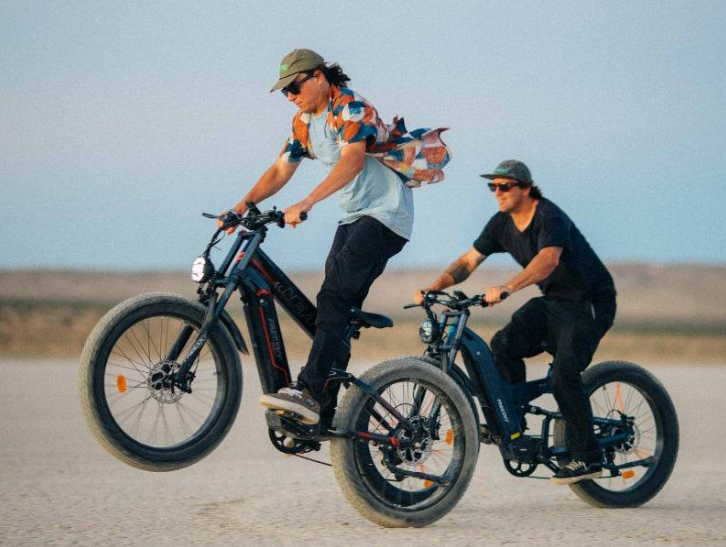
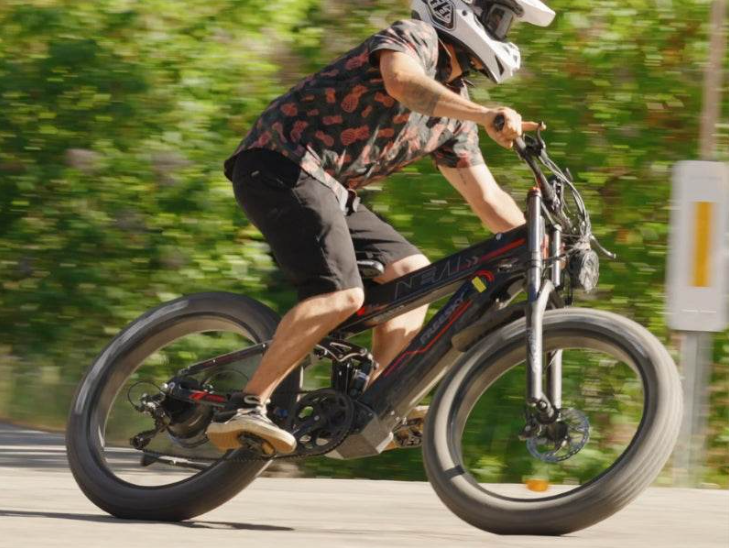
These bikes are designed around a more adventurous riding philosophy. Features such as fat tires, suspension systems, high-output motors, and larger battery configurations can be useful when a route involves uneven surfaces, inclines, loose terrain, or longer distances.
For example, the Alaska Pro M-520 is listed with a 45Ah battery, a 4,500W peak motor, a claimed top speed of 40 MPH, and a claimed range of 98–175 miles. These figures are manufacturer-listed specifications, and actual range and performance can vary according to rider weight, terrain, weather, speed, riding mode, and other conditions.
The important point is that Freesky‘s mountain-oriented models are not designed solely around lightweight recreational cycling. They emphasize capability and endurance for riders who want to venture beyond conventional paved bike paths.
Dual-Motor Power for Challenging Routes
Another defining feature of Freesky’s range is its focus on dual-motor e-bikes.
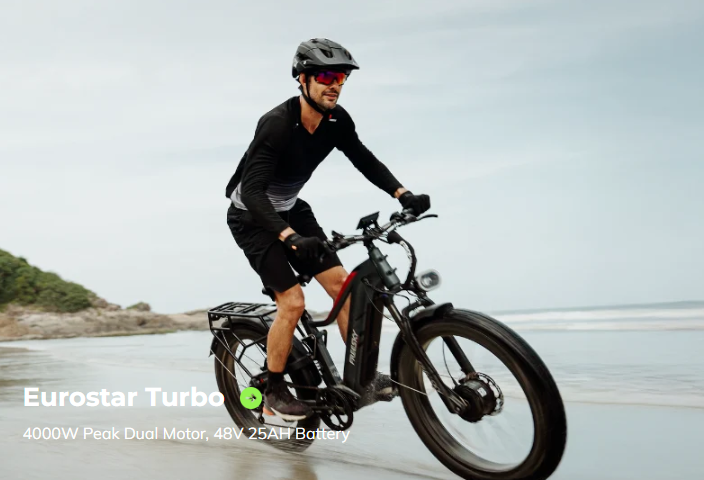
Models such as the Warrior Ultra M-530, Eurostar Turbo M-410, Ranger Air M-540, Ranger Plus M-540, and Cheetah MT-380 appear within the company’s dual-motor category.
A dual-motor configuration can provide drive to both wheels, potentially improving traction and climbing capability on suitable terrain. It can also make an e-bike feel substantially different from a conventional single-motor design.
The Warrior Ultra M-530, for example, is currently listed with a 60V 30Ah battery, a 6,000W peak motor output, a claimed top speed of 45 MPH, and a claimed range of 60–120 miles.
These specifications place the model firmly in the high-performance segment of Freesky‘s lineup.
However, higher power also means riders should pay close attention to local e-bike regulations. Speed classifications, throttle use, motor output, and where an e-bike may legally be ridden can differ substantially between states, municipalities, trails, and other jurisdictions.
Long-Range E-Bikes for Extended Adventures
Battery capacity becomes especially important when an e-bike is intended for longer rides.
Freesky‘s Long Range category includes models such as the Alaska Pro M-520, Cheetah MT-380, Warrior Ultra M-530, and Swift Horse Ultra X-6E.
The idea behind a long-range e-bike is straightforward: a larger battery can provide more stored energy, reducing the frequency with which the rider needs to recharge.
The Alaska Pro is a particularly interesting example because its dual-battery configuration is one of the features highlighted by the company. The model is listed with a 48V 45Ah battery configuration and a claimed range of 98–175 miles.
Meanwhile, the Cheetah MT-380 is listed with a 48V 60Ah battery and a claimed range of 120–200 miles.
These advertised figures should be interpreted as estimates rather than guaranteed real-world distances. Still, they illustrate Freesky’s emphasis on bikes intended for extended riding.
For commuters, weekend explorers, campers, or riders who frequently travel farther from home, battery capacity can be one of the most important specifications to investigate.
Step-Through Designs for Everyday Comfort
Not every rider needs an aggressive mountain-bike frame.
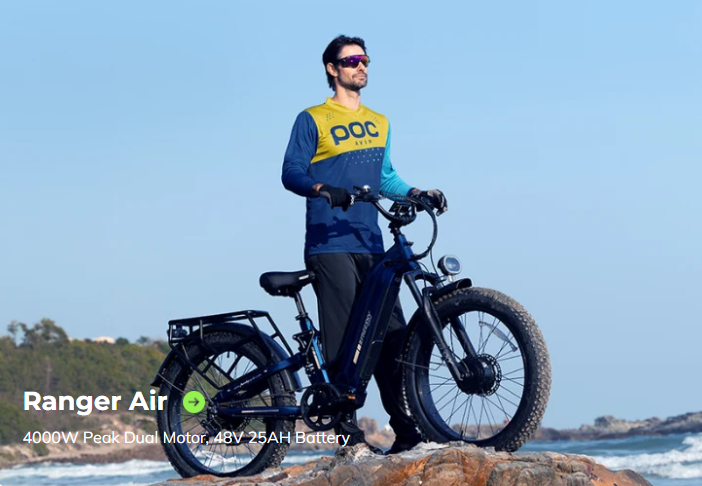
Freesky also offers step-through models, including the Ranger Air M-540, Ranger Plus M-540, and Rocky Pro A-320.
The step-through design lowers the height of the frame’s top tube, making it easier for many riders to mount and dismount. This can be particularly convenient for everyday transportation, stop-and-go riding, or riders who prefer a more accessible frame design.
The Ranger models also demonstrate that a step-through frame does not necessarily mean sacrificing performance. Freesky lists the Ranger Air with a 4,000W peak dual-motor configuration and the Ranger Plus with a 5,000W peak dual-motor configuration.
This combination gives riders another way to balance accessibility with electric performance.
Fat Tires and the All-Terrain Philosophy
Fat tires are another recurring element within Freesky’s product range.
Compared with traditional narrow bicycle tires, fat tires have a much larger contact area and can be particularly useful on surfaces such as gravel, sand, packed dirt, and other terrain where additional flotation or traction may be helpful.
That does not mean every fat-tire e-bike is automatically suitable for every off-road environment. Terrain, tire pressure, suspension, rider skill, and bike specifications all matter.
Still, the presence of fat-tire configurations throughout Freesky‘s catalog reinforces the brand’s outdoor-oriented identity.
For riders who want one bike that can transition between paved roads and less predictable surfaces, this type of design may be worth considering.
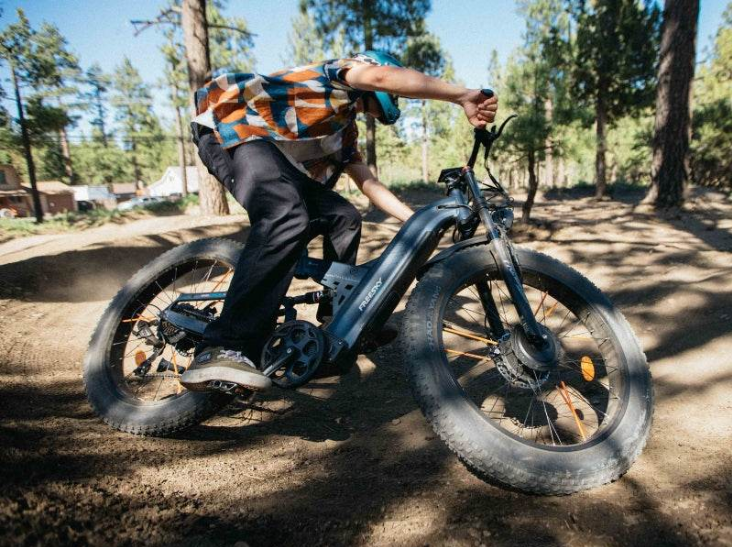
Performance Isn’t Just About Motor Power
It is easy to focus on the biggest number in an e-bike specification sheet, particularly when products advertise 4,000W, 5,000W, or even 6,000W peak motor output.
But motor power is only one component of the riding experience.
A practical e-bike also depends on battery capacity, braking performance, suspension, tires, frame construction, drivetrain components, weight, geometry, controls, and overall fit.
Freesky‘s catalog illustrates this broader approach. Product listings provide information about motor output, battery capacity, top speed, range, frame style, and riding modes, allowing shoppers to compare different configurations rather than focusing on a single specification.
For potential buyers, this is an important reminder: a high motor rating may sound impressive, but it should be evaluated alongside the entire bike.
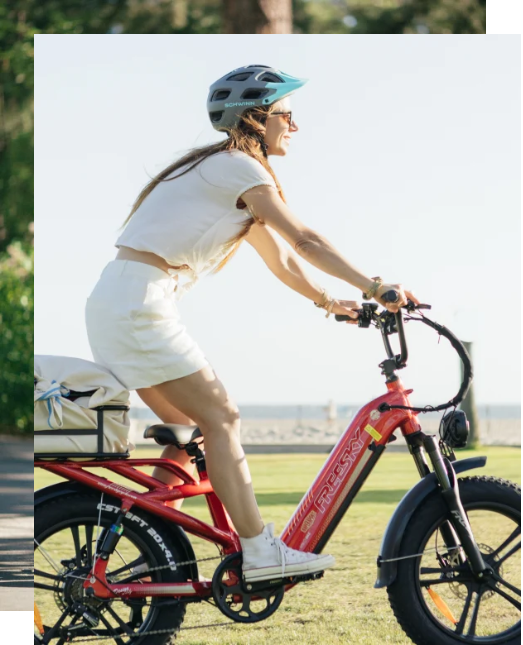
What About Braking and Suspension?
When an e-bike becomes faster or heavier, stopping and controlling it become increasingly important.
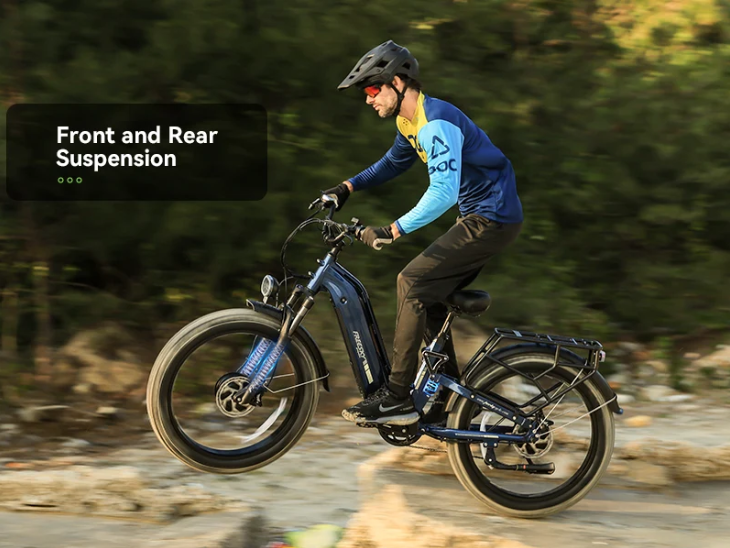
Some Freesky models are equipped with components intended to support more demanding riding. The company highlights suspension and braking features across its product range, while individual model pages provide more detailed specifications.
The Alaska Pro M-520, for instance, is positioned as an E-MTB with a dual-battery setup and full-suspension-oriented design.
For riders considering an adventure-oriented e-bike, suspension can help improve comfort over rough surfaces, while appropriate braking hardware is essential for controlling speed.
As with any bicycle, components should be matched to the type of terrain and riding conditions rather than judged solely by marketing specifications.
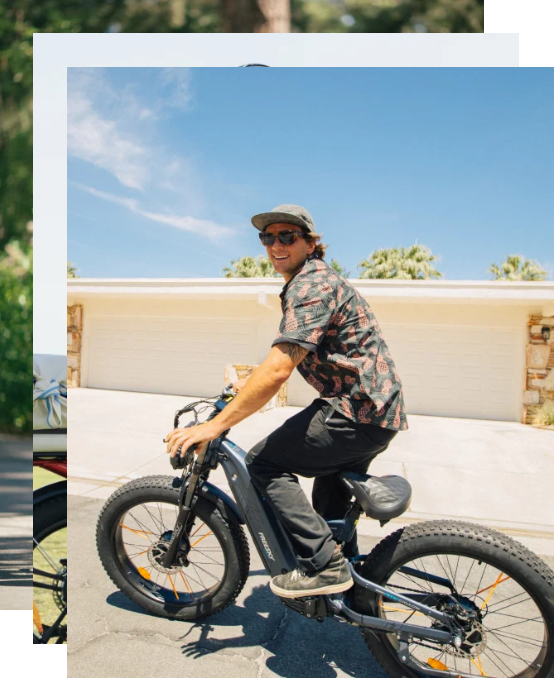
Choosing a Freesky E-Bike Based on Your Riding Style
With several categories available, choosing a Freesky e-bike becomes easier when you begin with your intended use.
For Mountain and Trail Riding
An E-Mountain Bike may make the most sense if your priority is outdoor terrain. Look for appropriate suspension, tire configuration, battery capacity, and braking equipment based on the trails you expect to ride.
For Longer Trips
If distance is your main concern, explore the Long Range category and compare battery configurations. Models with larger batteries can offer more energy capacity, although real-world range depends heavily on riding conditions.
For Extra Traction
Dual-motor models may appeal to riders who frequently encounter steep inclines, loose surfaces, or terrain where additional traction is useful.
For Everyday Accessibility
A step-through model may be more convenient if easy mounting and dismounting are priorities.
For a Mix of Uses
If your riding alternates between commuting and weekend exploration, consider a model that balances comfort, range, tires, suspension, and overall size rather than selecting solely according to motor output.
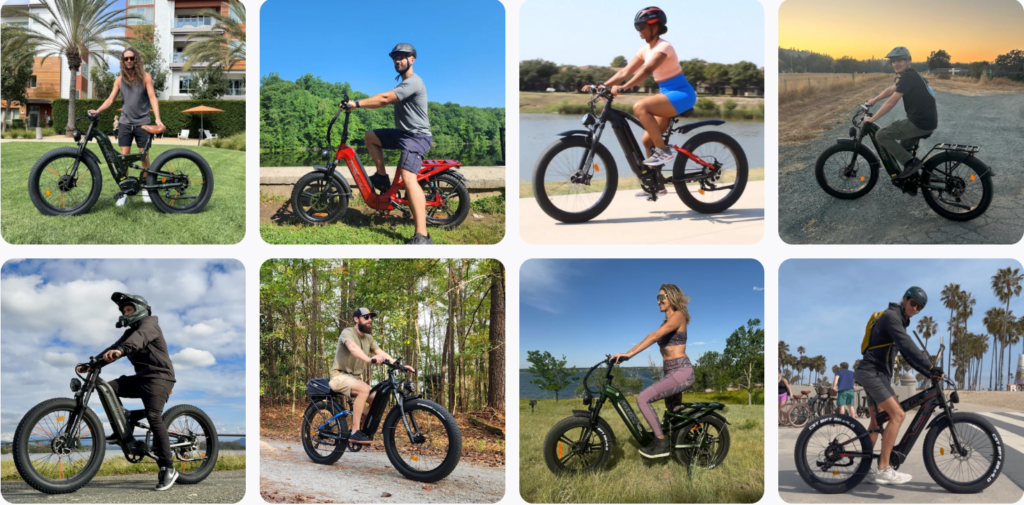
Buying Directly From Freesky
Freesky operates its own online store and provides several forms of customer support through its website.
The company lists consumer-direct purchasing, secure payment, free shipping from local facilities, and a 15-day return policy among its shopping benefits.
Freesky also provides a dealer locator and test-ride program. According to the company’s dealer page, customers can select a test-ride location, arrange an appointment, and try an e-bike before making a purchase through an offline store. The company recommends contacting the location ahead of time to confirm that the desired model is available.
For a relatively large and powerful e-bike, a test ride can be particularly useful. Buyers can evaluate frame size, riding position, acceleration, steering, braking feel, and overall weight before committing to a purchase.
Warranty and After-Sales Support
After-sales service is an important consideration when purchasing an electric bicycle, especially when the bike includes a large battery and sophisticated electrical components.
Freesky’s current warranty policy states that orders placed on or after November 13, 2025 receive a 24-month warranty for the motor, battery, and controller, while other components receive a 12-month warranty. The warranty applies to the original purchaser and has specific eligibility conditions.
The company also provides user manuals, troubleshooting resources, bike registration, order tracking, contact information, and other support options through its website.
Buyers should read the complete warranty terms before purchasing because coverage, exclusions, eligibility, and service procedures can vary depending on the purchase channel and type of issue.
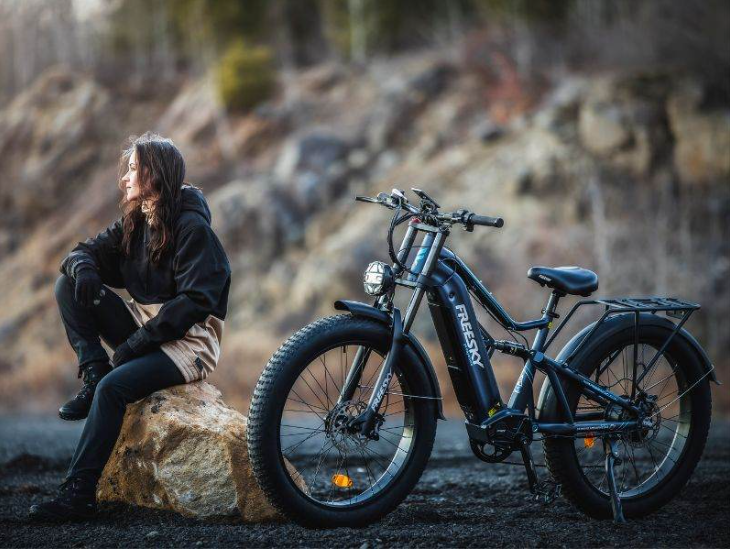
Making the Most of Your E-Bike
Buying a capable e-bike is only the beginning of the experience.
Riders should become familiar with the controls, braking system, riding modes, battery management, and recommended maintenance schedule before heading onto challenging terrain.
It is also worth planning routes according to the bike’s actual capabilities. A long-range battery does not eliminate the need to consider charging opportunities, weather, terrain, and rider endurance.
For higher-powered models, protective equipment and responsible riding become even more important. Riders should wear an appropriately fitted helmet, understand local regulations, and use designated paths or roads where permitted.
Most importantly, the bike should be matched to the environment in which it will actually be used.
Why Freesky Is Worth Exploring
Freesky‘s current lineup is notable for its emphasis on power, battery capacity, dual-motor systems, fat tires, and outdoor-oriented designs.
Instead of limiting itself to a single style of e-bike, the company offers several distinct categories: E-Mountain Bikes for more adventurous terrain, Step-Thru E-Bikes for accessible everyday riding, Dual-Motor E-Bikes for riders seeking additional drive capability, and Long Range E-Bikes for extended trips.
The variety also means that shoppers should take time to compare specifications carefully. The most powerful model is not necessarily the most appropriate model for every rider. A commuter may value accessibility and comfort, while an off-road rider may prioritize suspension and traction. Someone planning long weekend trips may care most about battery capacity.
That is where Freesky’s range becomes useful: there are multiple configurations to consider rather than one fixed definition of what an e-bike should be.
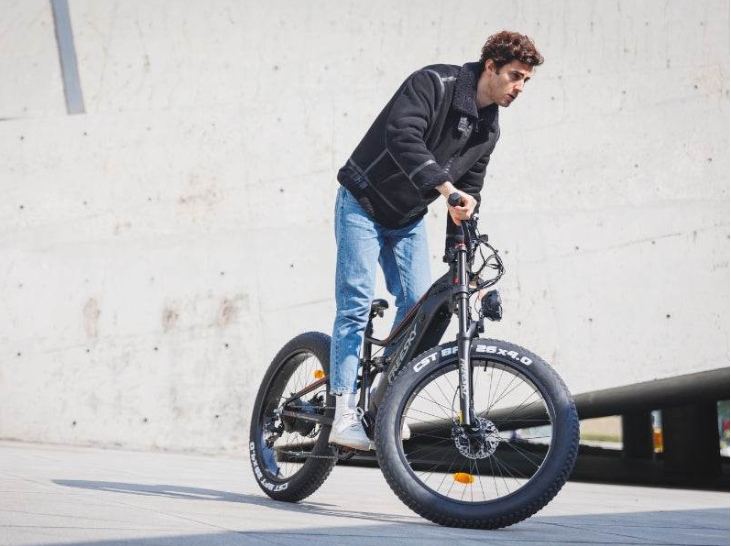
Final Thoughts
Freesky presents electric cycling as something that can extend well beyond short urban trips.
Its current selection includes high-output dual-motor bikes, long-range models, step-through designs, fat-tire e-bikes, and electric mountain bikes, giving riders different ways to approach commuting, recreation, exploration, and outdoor adventures.
The key to choosing the right Freesky bike is to start with your own riding environment. Think about how far you normally travel, what surfaces you encounter, whether hills are part of your route, how much cargo you may carry, and how important easy mounting and dismounting are.
From there, compare battery capacity, motor configuration, tires, suspension, braking components, frame style, dimensions, and local riding requirements.
For riders looking beyond a basic pedal-assist bicycle and toward a more adventure-oriented electric ride, Freesky offers a broad selection worth exploring. The combination of performance-focused models, long-range configurations, step-through options, and outdoor-ready designs gives the brand a distinctive place in today’s expanding e-bike market.