Craftzilla Colored Masking Tape: A Small Supply That Can Make Everyday Projects Easier
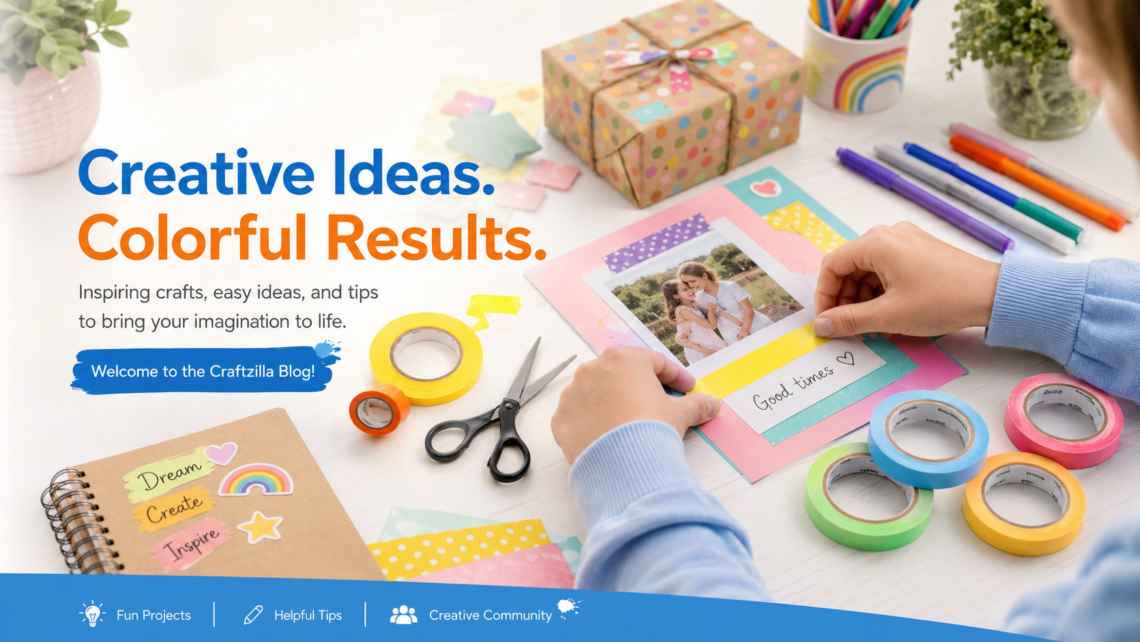
There are certain craft supplies that seem ordinary until they become the thing you reach for every day. Colored masking tape belongs in that category. It is not as dramatic as a new set of paints or as exciting as glitter paper, but it can quietly solve dozens of small creative and organizational problems: marking a child’s school supplies, adding a clean border to a poster, sorting boxes in a closet, making a quick party decoration, or giving a handmade card a little more personality.
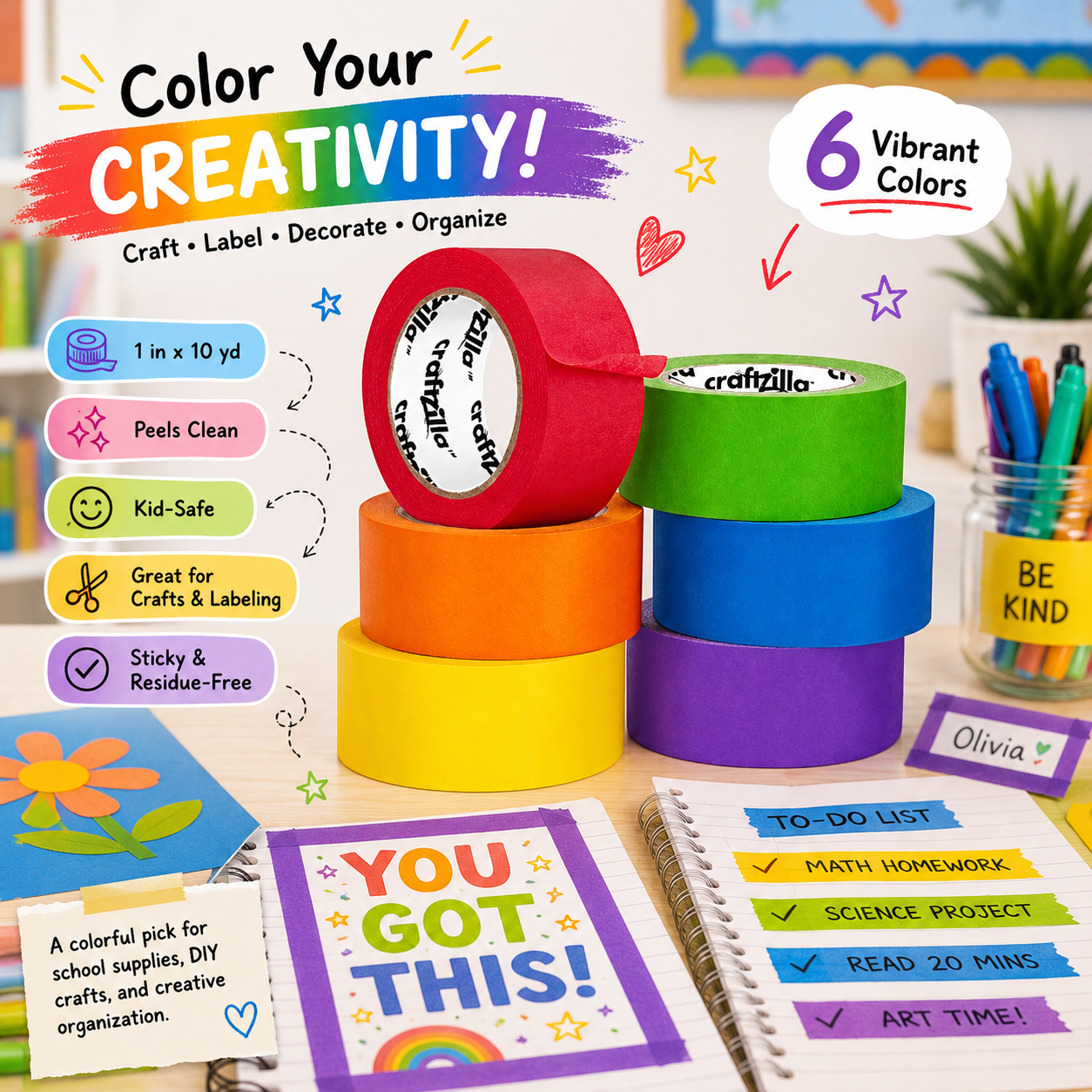
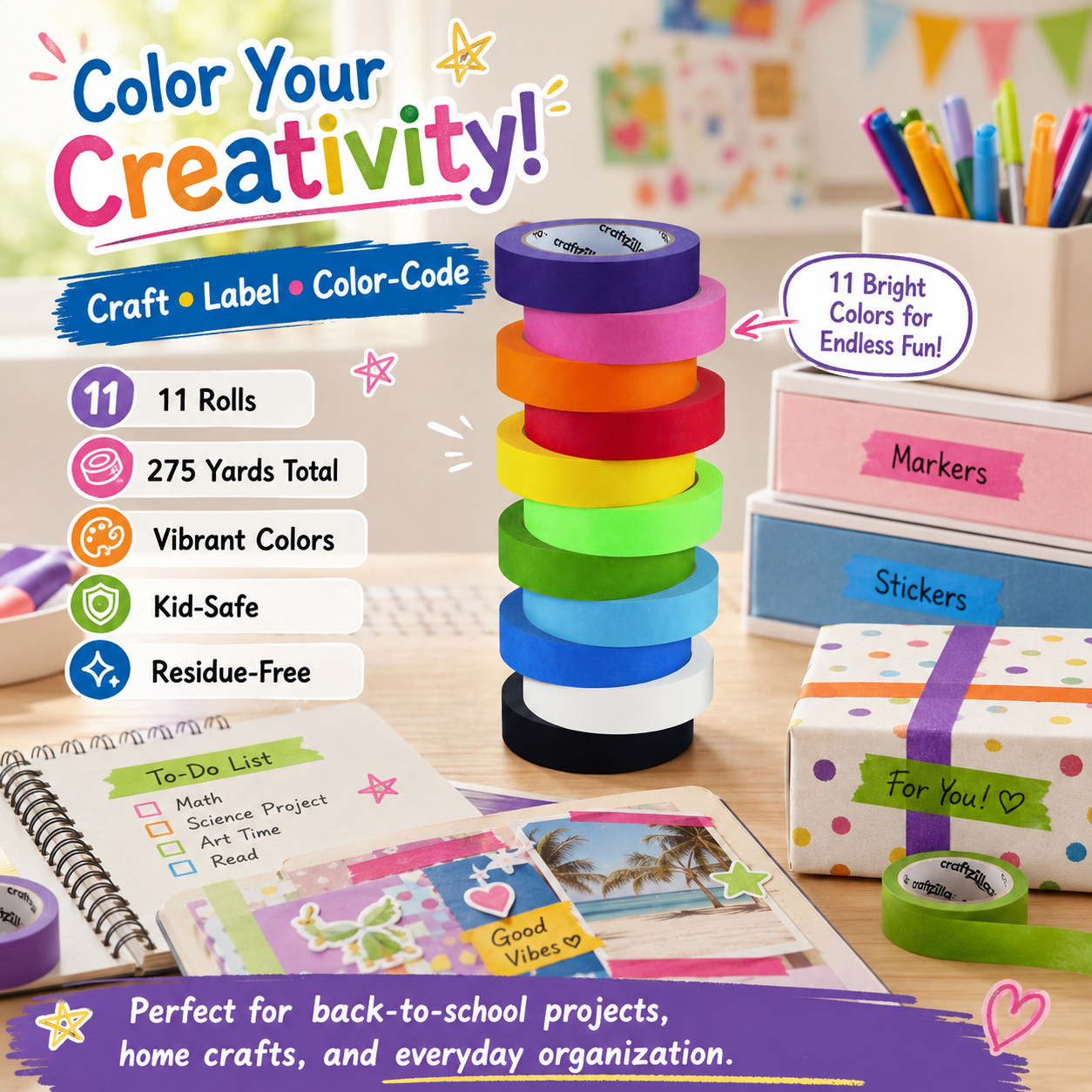
Craftzilla colored masking tape is designed for that useful middle ground between practical labeling tape and playful craft material. The range includes colorful multi-roll packs in a one-inch width, with options such as a six-roll pack and a larger eleven-roll assortment. That makes it an appealing choice for homes, classrooms, art tables, offices, and anyone who prefers a little color over plain beige tape.
What makes colored masking tape especially handy is its low barrier to use. You do not need a complicated plan, specialized tools, or a fully stocked craft room. Tear off a strip, place it where it helps, and move on. For creative people, that simplicity invites experimentation. For busy parents and teachers, it means one supply can support several jobs without taking up much space.
More Than “Just Tape”
At first glance, colored masking tape may look like a straightforward stationery item. In practice, it can act as a border, a label, a visual cue, a temporary guide, a decorative accent, or a way to divide a larger project into manageable sections. The color itself does some of the work. Instead of writing “science,” “art,” or “return to school” on every container, a quick color system can make the destination obvious at a glance.
This is where a varied set of colors becomes useful rather than merely decorative. A rainbow-style pack gives users room to create their own system. Blue can mean work materials. Yellow can mark items that need attention. Green can identify completed tasks. Red can highlight a deadline or a safety reminder. For children, colors may be easier to recognize quickly than labels with small text. For adults, the same system can make shared cupboards, planners, storage bins, and workspaces feel less cluttered.
The Craftzilla product listings position the tape for arts and crafts, labeling, color-coding, school use, and home projects. That broad usefulness is exactly the point. A roll that begins the week as a classroom supply may end up helping with birthday gift wrapping, a family chore chart, or a scrapbook layout by the weekend.
A Better Fit for Quick, Hands-On Crafting
Some materials are best for carefully measured projects. Colored masking tape is often more enjoyable when it is used freely. It is easy to imagine a child building roads across the floor for toy cars, creating stripes on a paper rocket, outlining a cityscape, or making a simple geometric collage. Adults can use the same material for clean-looking labels, wrapping details, or temporary placement guides while arranging a larger piece.
The practical appeal is in the ability to tear pieces by hand for many everyday applications. That may sound like a small feature, but it changes the pace of a project. Instead of stopping to look for scissors every few minutes, a child can keep working. A teacher can prepare quick visual markers during a busy lesson. A parent can label a water bottle or folder while standing at the kitchen counter. The tape becomes part of the flow rather than another tool that needs setup.
There is also something pleasantly forgiving about using tape as a design material. A strip that lands slightly unevenly can be repositioned or incorporated into a more casual handmade look. Clean lines are possible, but perfection is not required. That is valuable in children’s art, where the goal is usually expression and participation rather than a flawless final result.
Ideas for Kids’ Art That Do Not Require a Big Setup
One of the strongest reasons to keep colored masking tape on hand is that it supports open-ended play. A few rolls can start an activity when crayons alone are not holding anyone’s attention. Here are several simple ideas that work well with paper, cardboard, and ordinary household materials:
- Tape-resist paintings: Place strips on paper, paint over the surface, then remove the tape after the paint has dried to reveal lines and shapes.
- Color-block animals: Draw a basic animal shape and fill it with tape stripes, spots, or patches instead of coloring it in.
- Paper city roads: Use black, gray, or other available colors to create streets, parking spaces, bridges, and pathways for small toys.
- Cardboard costume details: Add colorful bands, belts, buttons, or patterns to homemade masks, shields, and crowns.
- Shape mosaics: Tear short pieces and arrange them into stars, rainbows, letters, flowers, or abstract designs.
- Window-free “stained glass”: Create a colorful panel on clear plastic sheets or sturdy paper, using tape to form a grid-like pattern.
The appeal of these activities is not that they are revolutionary. It is that they are easy to begin. A child can make choices immediately: which color, which shape, which direction, which surface. That small sense of control often keeps a project engaging longer than an activity with too many steps.
For Classrooms, Activity Tables, and After-School Spaces
Teachers and group leaders often need supplies that can be shared without turning a simple activity into a logistical challenge. Colored masking tape can help define spaces and routines as well as decorate projects. It can mark supply bins, assign tables by color, identify reading groups, frame student work, or create simple floor lines for games and stations where appropriate.
The six-roll option can make sense for smaller projects, individual activity kits, or compact supply cabinets. A larger eleven-roll pack may be more practical for a classroom, a shared family craft station, or a frequent crafter who wants more color choices readily available. The key is not to overthink the selection. Choose the pack size that matches how many people will use it and how often the tape is likely to come out.
For classroom use, it helps to establish a few simple habits. Keep rolls in a shallow container so children can see the colors. Use a short length of tape to label the ends of bins. Store it away from paint and loose glitter, which can make any adhesive supply frustrating to handle. And when using tape on finished work, test a small piece first if the paper is delicate or the surface has a special coating.
Color can also support classroom independence. Instead of repeatedly asking where materials belong, students can follow a color match: blue pencils to the blue bin, green folders to the green shelf, orange art smocks to the orange hooks. It is a modest organizational tool, but modest tools are often the ones that survive a busy school day.
Labeling Without Making Everything Look Like an Office File
Labels are useful, but they can make a home feel overly clinical when every box is covered in white stickers and block letters. Colored masking tape offers a softer alternative. It lets you create a system while keeping the look casual and adaptable. A strip on a jar, bin, basket, cable, notebook, or lunch container can make its purpose clearer without committing to a permanent label.
Try using one color for seasonal decorations, another for donation items, and a third for things that need repair. In a pantry, colors can separate baking supplies from lunchbox snacks or special-diet foods from everyday staples. In a craft room, the tape can identify scissors, glue, paintbrush containers, paper sizes, or in-progress projects. The visual system only needs to make sense to the people who use it.
For renters, students, and people who reorganize frequently, temporary labeling is particularly useful. Not every storage solution needs a printed label maker and a long-term commitment. Sometimes a handwritten note on a colored strip is enough.
If you are building an art station, refreshing your organization routine, or collecting supplies for school projects, Craftzilla offers colored masking tape formats that suit both decorative and practical tasks. The strongest use case is not one big project; it is having a flexible supply available for all the small ones.
When a Clean, Temporary Hold Matters
Masking tape is often chosen because users want something less permanent than packaging tape or heavy-duty adhesive products. Craftzilla describes its colored masking tape as peel-clean and residue-free, which is a helpful goal for temporary uses such as paper crafts, labels, and short-term decorations. Still, surfaces vary widely. Paper finish, paint type, age of the surface, moisture, heat, and how long the tape remains in place can all affect removal.
The sensible approach is simple: test first. If you are decorating a painted wall, a finished piece of furniture, an important photo, or a delicate notebook cover, apply a small strip in an inconspicuous area before committing to the design. Press the tape down gently rather than aggressively, especially when the purpose is temporary placement. When removing it, pull slowly and keep the tape close to the surface rather than yanking it upward.
This is not a drawback unique to colored tape. It is just good crafting practice. The most successful projects usually come from matching the material to the surface and taking a moment to test an idea before making it permanent.
Decorating Gifts, Cards, and Everyday Paper Goods
Gift wrap does not always need a ribbon, bow, and elaborate presentation. A few well-placed strips of colorful tape can turn plain kraft paper, a white gift bag, or a simple envelope into something more personal. Use parallel stripes for a polished look, tear short pieces into confetti-like accents, or create a color-blocked seal across folded wrapping paper.
For handmade cards, tape can serve as a border, a background, a banner, or a quick substitute for patterned paper. A single strip across the front can hold a handwritten message. Several colors arranged in a grid can give a card a cheerful, modern appearance. Because the material is easy to layer, it works especially well for simple designs that need a little dimension without becoming too bulky.
It is also useful for journals and planners. Add a strip to mark the beginning of a new month, divide a page into categories, create temporary tabs, or highlight a particularly important week. Unlike decorative supplies that only work in a narrow aesthetic, masking tape can look playful, tidy, bold, or understated depending on how it is used.
Choosing the Right Pack for Your Routine
The best tape pack is the one that does not leave you short of the colors you actually use. A six-roll rainbow assortment is a straightforward choice for families, occasional crafters, or a single classroom project. It offers enough variety for color-coding and kid-friendly activities without creating an oversized supply stash.
An eleven-roll pack, on the other hand, is more appealing when tape is likely to be used across several categories: crafts, storage, schoolwork, party details, and home organization. More colors allow a more specific coding system and make collaborative projects more interesting. If multiple children share a table, a broader assortment can also reduce the familiar debate over who gets the “best” color.
Before buying, think about the projects you do repeatedly. Are you labeling bins? Decorating cards? Preparing back-to-school supplies? Running a classroom activity? Making children’s art easier to start? The answer will tell you whether more yardage, more colors, or a smaller compact set makes the most sense.
The Everyday Supply Worth Keeping Within Reach
The most useful craft supplies are rarely the flashiest. They are the items that remove friction from everyday tasks and invite creativity when inspiration appears. Colored masking tape does both. It can bring order to a busy shelf, add personality to a plain package, help children turn an idea into a project, or make a shared workspace easier to navigate.
Craftzilla colored masking tape is a practical option for anyone who wants color without complication. Its one-inch format, multi-roll assortments, craft-friendly purpose, and emphasis on labeling and kids’ projects make it easy to imagine in a kitchen drawer, teacher’s cabinet, home office, or art cart.
For families and makers, the value is in the range of possibilities. One day it is a color-code system. The next day it is part of a cardboard robot, a journal spread, or a quick handmade gift. That adaptability is what makes Craftzilla colored masking tape feel less like a single-use purchase and more like a dependable creative staple.