Audio rarely gets the spotlight it deserves—until it goes wrong. Whether you’re recording a podcast in a quiet home studio, filming a vlog on a busy street, or capturing interviews in unpredictable environments, sound quality is what separates content that feels polished from content that feels improvised. That’s where brands like BOYA come into the conversation, not as a flashy newcomer but as a steady, reliable presence for creators who care about clarity.
Spend enough time around cameras and microphones, and you start to notice a pattern: professionals don’t always chase the most expensive gear—they look for tools that work consistently. BOYA has built a reputation around that principle, offering practical audio solutions that slot easily into real-world workflows.
Why Audio Quality Still Defines Your Content
It’s tempting to focus on visuals first. After all, cameras and lenses are what most people obsess over. But viewers are surprisingly unforgiving when it comes to audio. A slightly soft image can pass; muffled or inconsistent sound rarely does.
This is especially true for creators who are scaling up—YouTubers moving into interviews, small production teams shooting branded content, or educators building online courses. Reliable microphones become less of an accessory and more of a foundation. That’s the gap BOYA tends to fill: gear that doesn’t demand constant troubleshooting.
A Practical Approach to Microphone Design
One thing that stands out when browsing the BOYA lineup is how grounded the product design feels. You won’t find unnecessary complexity. Instead, the focus leans toward usability—plug-and-play setups, compact form factors, and compatibility across devices.
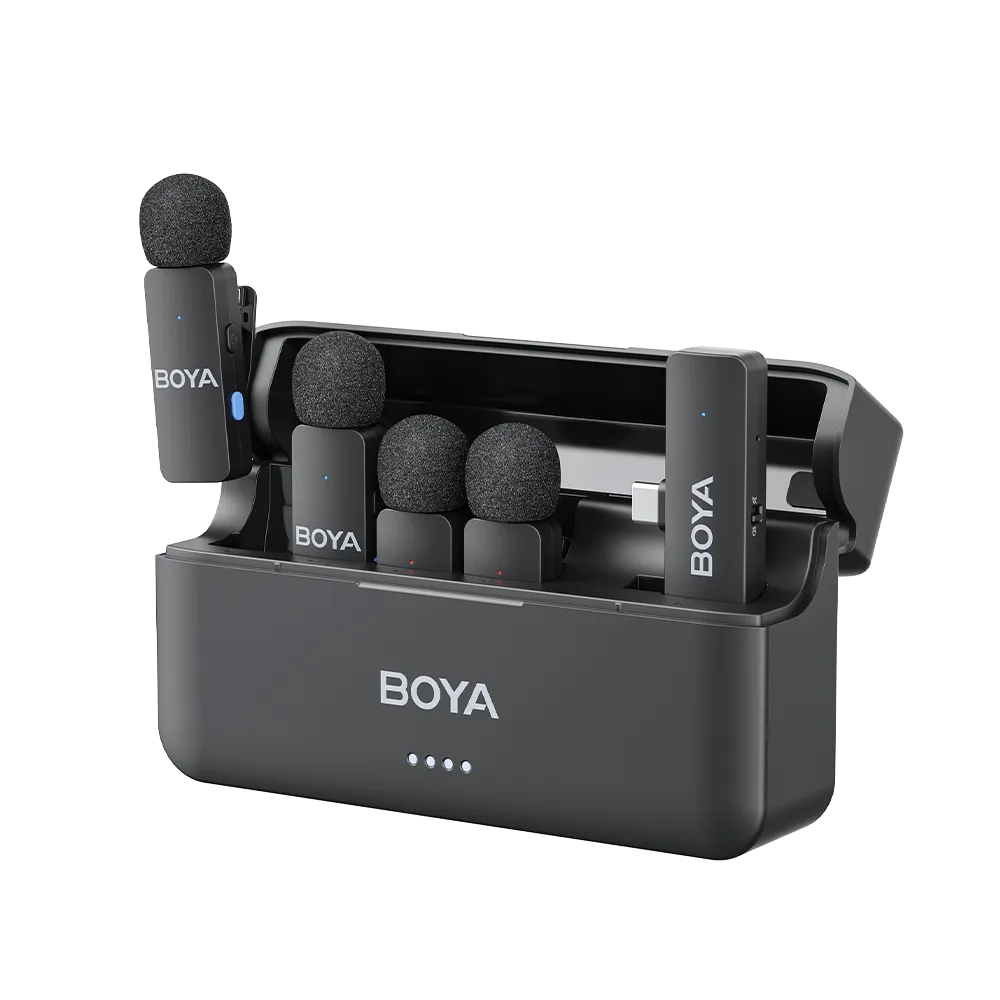
For example, lavalier microphones remain a staple for interviews and talking-head videos. BOYA’s options in this category are built with portability in mind, often featuring long cables, lightweight clips, and minimal setup requirements. That matters when you’re working solo or on tight schedules.
Shotgun microphones, on the other hand, cater to more directional recording needs. These are particularly useful for filmmakers or run-and-gun videographers who need to isolate voices in noisy environments. Instead of over-engineering the experience, BOYA keeps controls intuitive, which reduces setup time on location.
Wireless Systems for a Mobile World
As content creation becomes more mobile, wireless audio systems have shifted from luxury to necessity. Walking interviews, fitness content, travel vlogs—these formats demand freedom of movement without sacrificing sound quality.
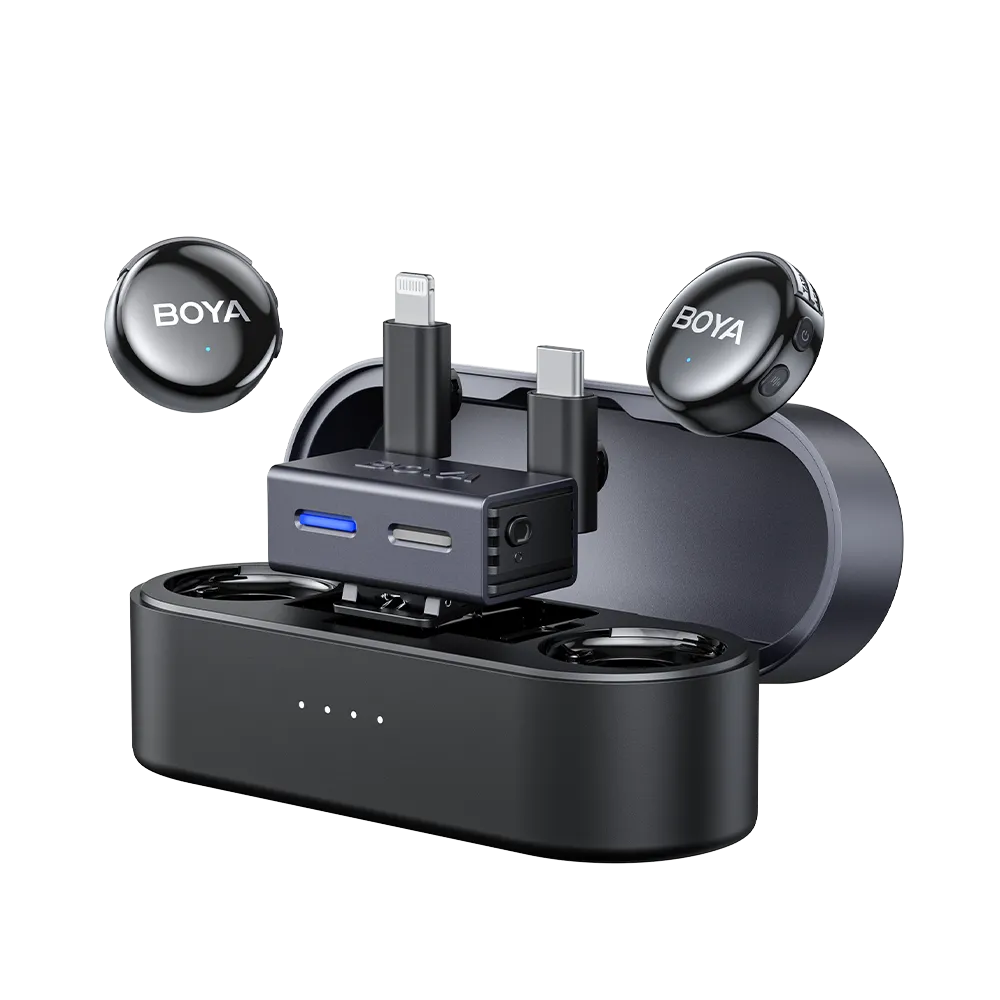
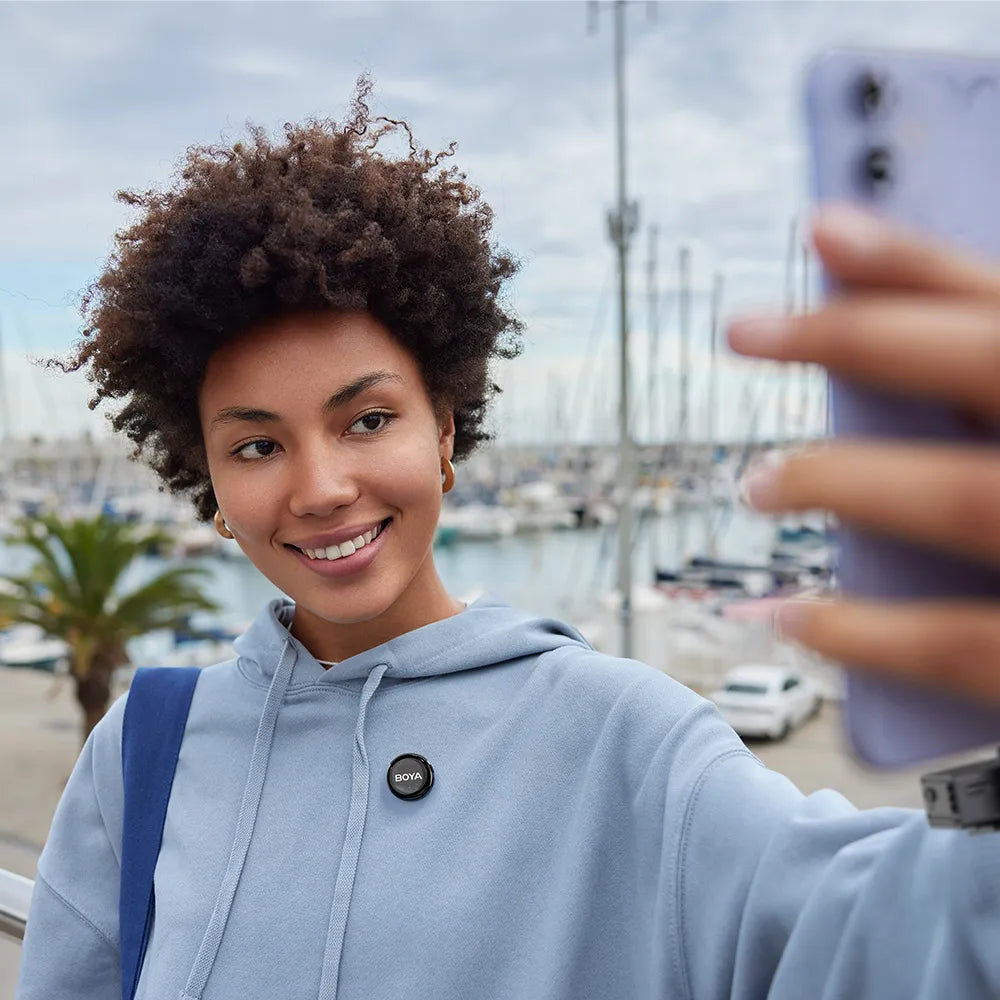
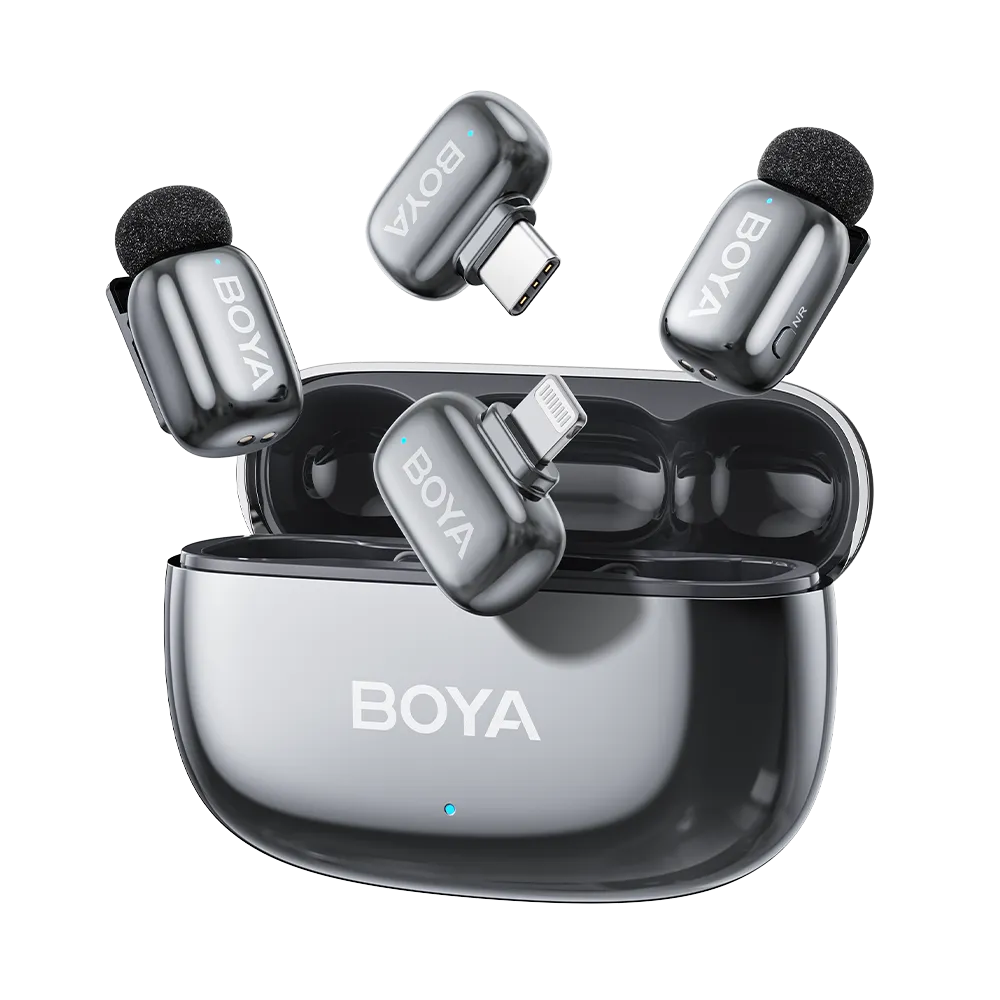
This is where BOYA has been quietly evolving its offerings. Compact wireless kits now come with features like dual transmitters, rechargeable cases, and multi-device compatibility. They’re designed for creators who might switch between a smartphone, DSLR, and laptop in the same day.
What’s particularly appealing is how these systems lower the barrier to entry. You don’t need to be an audio engineer to get usable results. Pairing is straightforward, controls are minimal, and the learning curve is refreshingly short.
Balancing Performance and Accessibility
There’s always a trade-off in gear: performance versus price. High-end audio equipment can deliver exceptional results, but it often comes with complexity and cost that aren’t practical for everyone.
BOYA positions itself in a space that feels more accessible without cutting corners where it matters most. The goal isn’t to compete with boutique studio brands—it’s to provide dependable tools that creators can actually use day in and day out.
This balance becomes especially relevant for small teams and independent creators. When you’re managing budgets, timelines, and multiple roles, you need equipment that simply works. Reliability becomes more valuable than feature overload.
Use Cases That Reflect Real Workflows
Rather than thinking in terms of product categories, it’s helpful to look at how these tools fit into everyday scenarios:
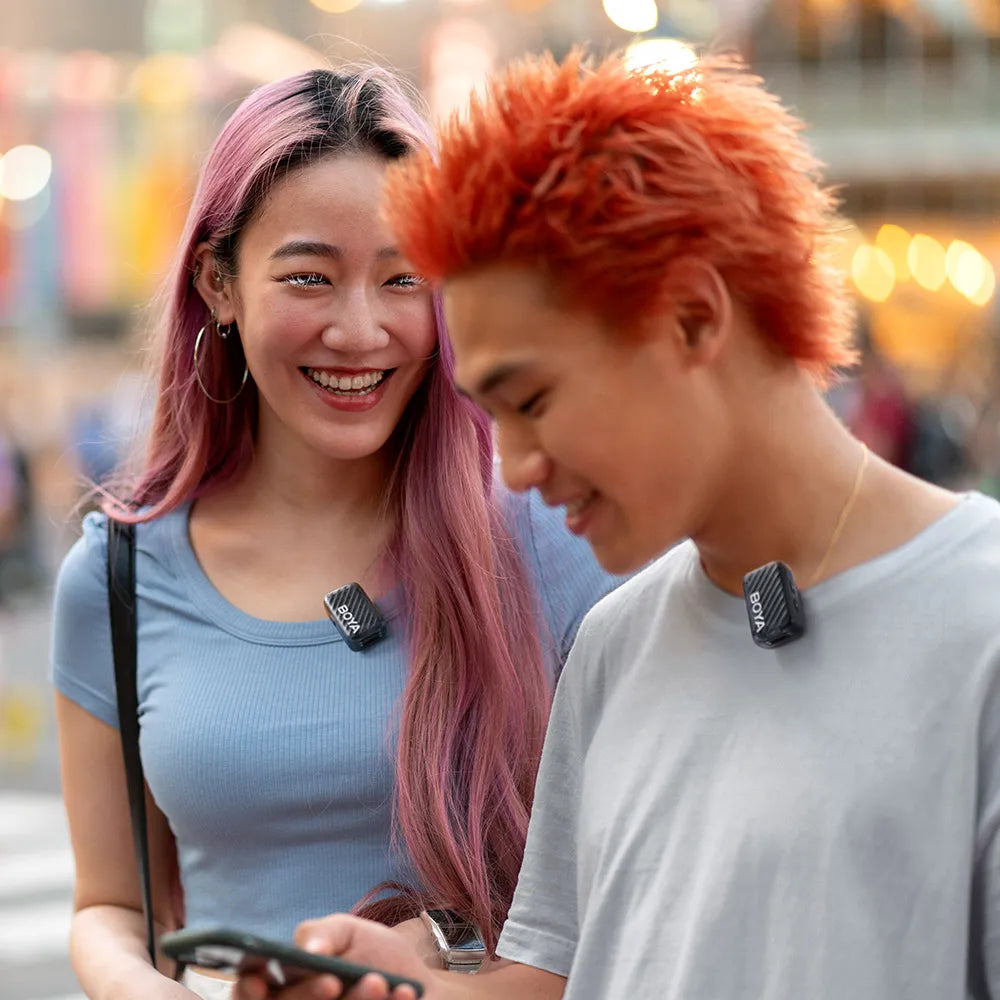
Interviews: Lavalier microphones paired with compact transmitters allow for clean, unobtrusive audio capture, even in dynamic environments.
Vlogging: Lightweight on-camera microphones reduce setup time while improving clarity over built-in camera audio.
Live Streaming: USB-compatible microphones simplify connections to laptops and streaming setups.
Corporate Content: Wireless systems provide flexibility for presentations, training videos, and internal communications.
Across these scenarios, BOYA equipment tends to emphasize ease of integration. You’re not redesigning your workflow—you’re enhancing it.

Subtle Details That Make a Difference
It’s often the small design decisions that shape the user experience. Cable durability, clip strength, battery life, and even carrying cases—these aren’t headline features, but they matter in practice.
For instance, a microphone that holds securely during movement can save time in post-production. A battery that lasts through a full shoot reduces interruptions. These are the kinds of details that creators begin to value after enough trial and error.
BOYA doesn’t market these aspects aggressively, but they’re evident when you use the gear consistently. The focus feels less like innovation for its own sake and more like refinement.
Adapting to Different Skill Levels
Not every creator approaches audio with the same level of expertise. Some are just starting out, while others are refining established production pipelines.
The advantage of a brand like BOYA is that it doesn’t alienate either group. Beginners benefit from straightforward setups, while experienced users can still incorporate the equipment into more complex systems.
This flexibility is particularly useful in collaborative environments. Teams with varying levels of technical knowledge can work with the same tools without friction.
Consistency Over Hype
In a market that often prioritizes trends, consistency can feel underrated. New products launch frequently, each promising to redefine audio capture. But in practice, creators tend to stick with gear they trust.
BOYA has built its presence by focusing on that trust. The products aren’t designed to be the most talked-about—they’re designed to be dependable. And for many professionals, that’s a more compelling proposition.
Where It Fits in Today’s Creator Landscape
The definition of a “creator” has expanded significantly. It now includes educators, entrepreneurs, marketers, and remote teams—not just filmmakers or broadcasters.
This shift has increased demand for audio solutions that are adaptable and scalable. A single setup might need to support video calls, recorded content, and live events. BOYA fits naturally into this environment by offering tools that don’t lock users into a single format.
It’s less about specialization and more about versatility. And in a landscape where workflows are constantly evolving, that versatility becomes a real advantage.
Final Thoughts: Quietly Essential
Good audio doesn’t draw attention to itself—it supports everything else. When it’s done right, viewers don’t notice the microphone; they focus on the message.
That’s ultimately what makes BOYA worth considering. The brand doesn’t try to dominate the narrative. Instead, it provides tools that help creators deliver their own.
In a field where reliability often outweighs novelty, that approach feels not only practical but necessary. Whether you’re building your first setup or refining an existing one, having equipment you can depend on is what keeps production moving forward—and your audience engaged.