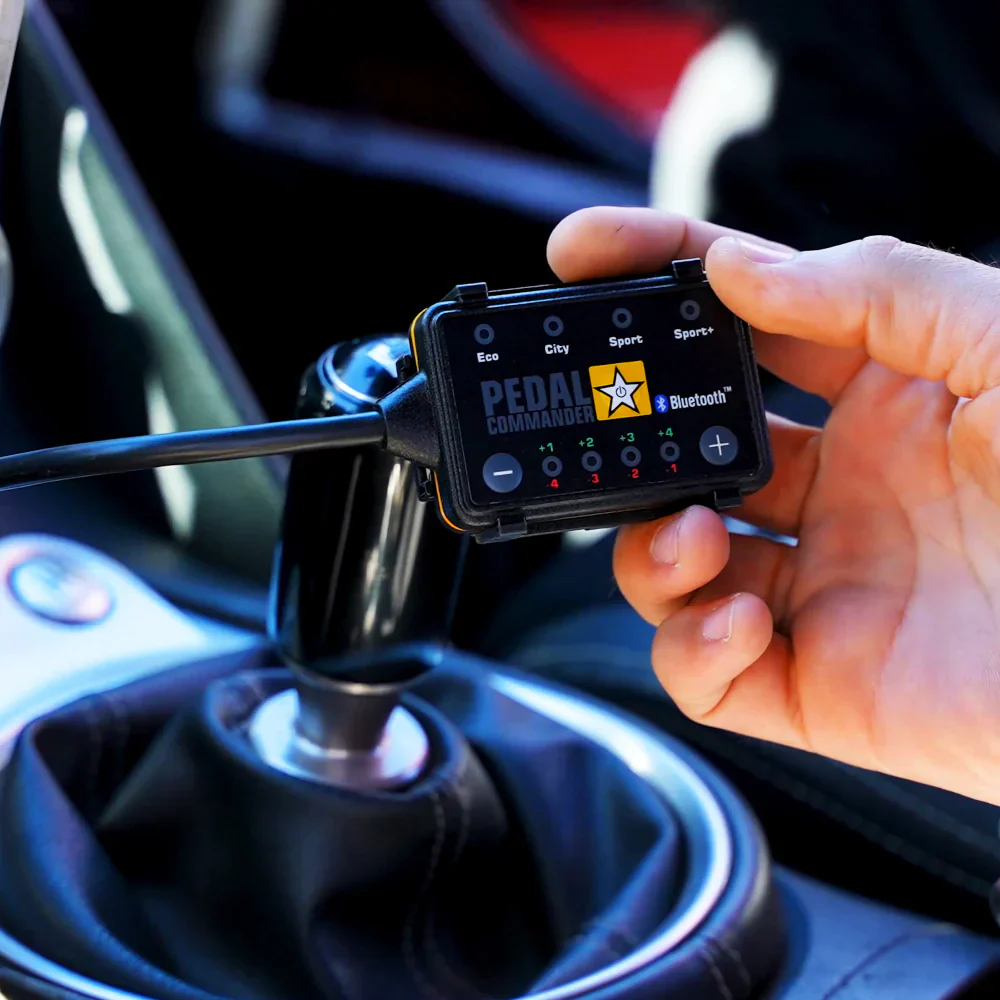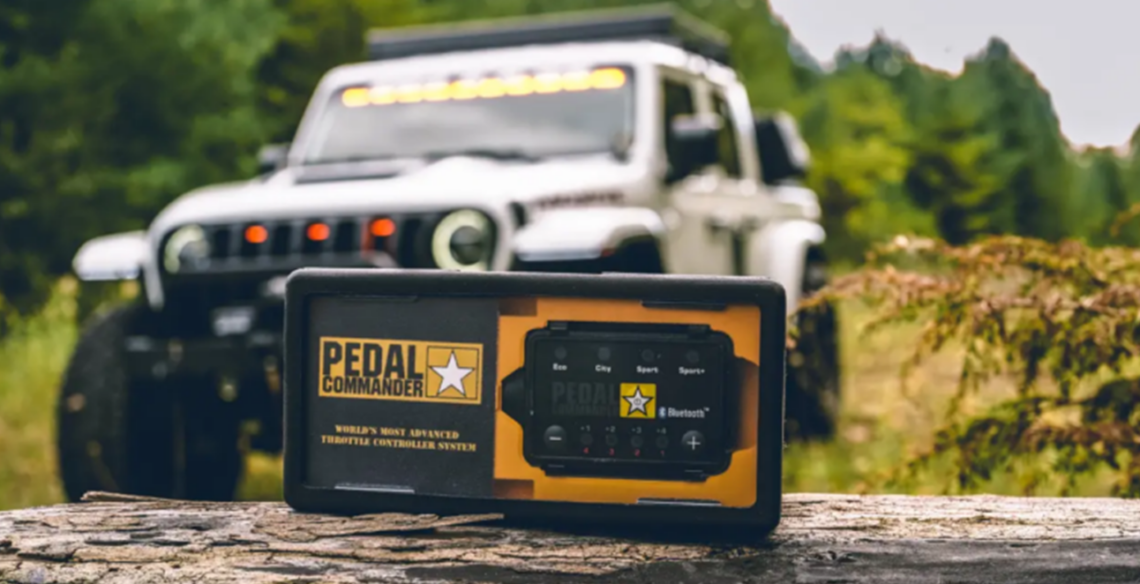
There’s a moment every driver recognizes: you press the accelerator expecting a quick surge forward, but instead, the car hesitates—just enough to dull the experience. It’s subtle, but once you notice it, it’s hard to ignore. Modern vehicles, especially those with electronic throttle control, often prioritize efficiency and smoothness over immediacy. That’s where solutions like Pedal Commander come into the conversation, not as a gimmick, but as a practical tool for reshaping how your car responds to you.
At its core, throttle response is about timing. When your foot moves, how quickly does your car react? In older vehicles with mechanical linkages, the connection felt direct. Today’s drive-by-wire systems translate your pedal input into electronic signals, which are then interpreted by the car’s computer. This translation introduces a layer of delay—not always noticeable in daily commuting, but definitely apparent when you want sharper control.
Devices like Pedal Commander step into this gap. Rather than increasing engine power, they adjust how quickly your throttle responds to input. That distinction matters. You’re not adding horsepower—you’re unlocking responsiveness that already exists but is intentionally muted by factory settings.
The Subtle Frustration of Modern Throttle Mapping
Manufacturers design throttle curves with a wide range of drivers in mind. Comfort, fuel economy, and emissions compliance all play a role. The result? A pedal that often feels less responsive than it could be. This is particularly noticeable in SUVs, trucks, and newer sedans, where the initial pedal input can feel soft or delayed.
For some drivers, that’s fine. For others, especially those who enjoy spirited driving or simply want more predictable control, it can feel like the car is holding back. That’s where Pedal Commander offers a different experience—one that aligns more closely with driver intent.
Instead of waiting for the vehicle’s computer to “decide” how much throttle to apply, the system recalibrates the signal between your foot and the engine. The effect is immediate: quicker response, more precise control, and a driving feel that’s noticeably more engaging.
What Actually Changes When You Install It?
Let’s be clear—this isn’t about transforming your car into something it’s not. What Pedal Commander does is refine what’s already there. Think of it as adjusting sensitivity rather than adding raw capability.
Drivers often describe the change in terms like “crisper,” “more connected,” or “more predictable.” The lag between pressing the pedal and feeling acceleration is reduced, which can make everyday driving feel more intuitive.
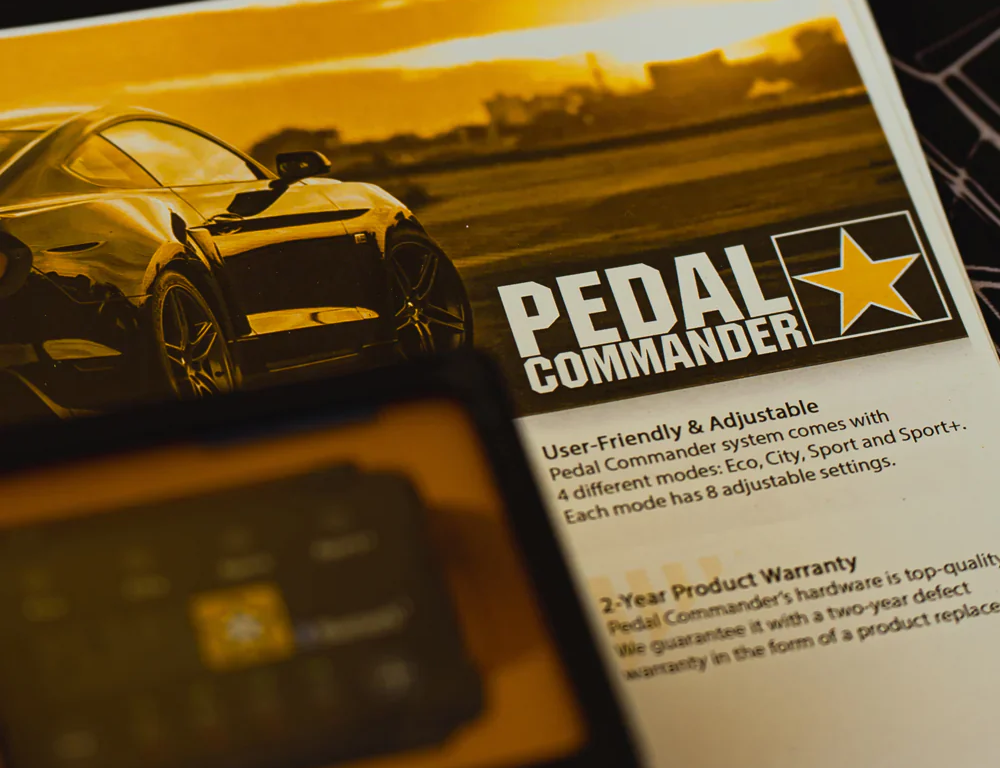
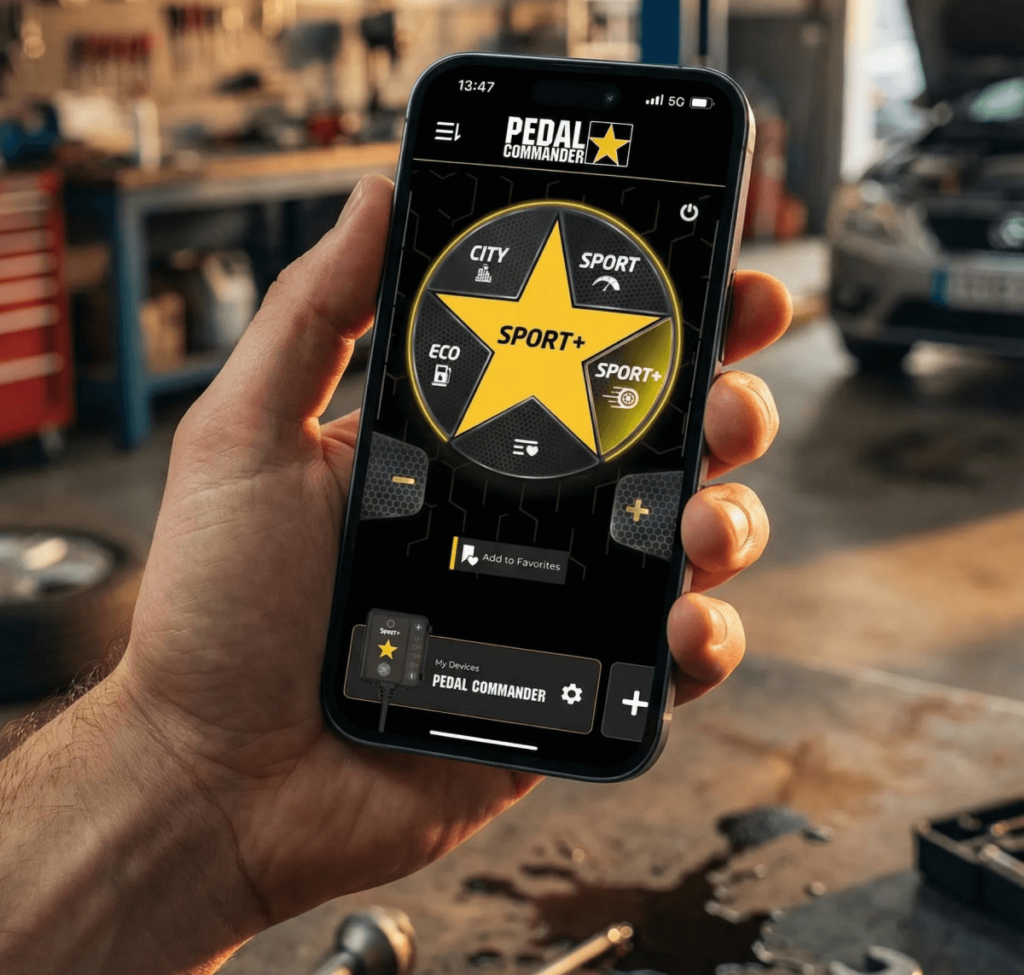
There’s also an element of customization. Different driving modes allow you to tailor the response to your preference. Whether you want something aggressive for highway merging or a smoother profile for city traffic, the flexibility is part of the appeal.
Driving Feel: The Often Overlooked Factor
Performance discussions usually revolve around horsepower, torque, or 0–60 times. But driving feel—the subjective connection between driver and machine—is just as important. It’s what makes one car enjoyable and another forgettable.
By tightening the feedback loop between pedal and engine, Pedal Commander enhances that connection. You don’t have to push as far or wait as long to get the response you want. That immediacy can make even routine drives feel more engaging.
It’s especially noticeable in situations that require quick adjustments—like navigating traffic, overtaking on the highway, or climbing steep grades. The car feels more responsive, more willing, and ultimately more in sync with your intentions.
Installation and Everyday Practicality
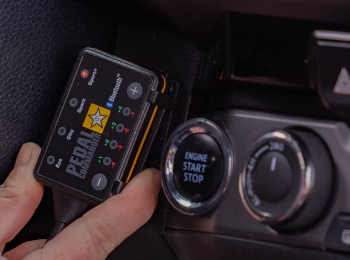
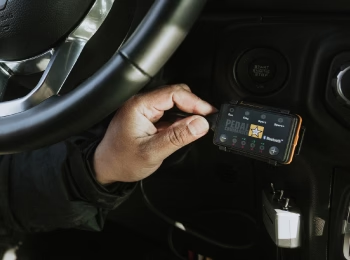
One of the appealing aspects of Pedal Commander is how straightforward it is to install. There’s no need for permanent modifications or complex tuning. It connects directly to the accelerator pedal assembly, making it accessible even for drivers who aren’t mechanically inclined.
This plug-and-play approach also means it can be removed just as easily. That’s important for leased vehicles or anyone who prefers reversible upgrades.
In daily use, the system integrates seamlessly. Once set, it doesn’t require constant adjustment, though the option is there if you want to switch modes depending on driving conditions.
Comparing Stock vs. Enhanced Response
To understand the difference, it helps to think about how throttle input is interpreted. In a stock setup, pressing the pedal halfway doesn’t necessarily mean 50% throttle. The mapping is often nonlinear, designed to prioritize smoothness.
With Pedal Commander, that mapping becomes more direct. The same pedal movement results in a more immediate and proportional response. It’s not about making the car faster in absolute terms—it’s about making it feel faster and more responsive.
This distinction is key. Drivers aren’t chasing numbers; they’re chasing a better experience. And in that sense, the improvement can feel more significant than traditional performance upgrades.
Who Benefits Most?
Not every driver is looking for the same thing. Some prioritize comfort above all else, while others want a more dynamic feel. Pedal Commander tends to appeal to those in the latter group—drivers who notice and care about responsiveness.
Truck owners, for example, often appreciate the added control when towing or hauling. SUV drivers may enjoy the improved acceleration when merging onto highways. Even commuters can benefit from a more predictable throttle in stop-and-go traffic.
It’s not about transforming the vehicle into a sports car. It’s about making it feel more responsive and aligned with your expectations.

A Balanced Perspective
It’s worth noting that sharper throttle response isn’t always ideal in every situation. In slippery conditions like rain or snow, a more aggressive setting could require a lighter touch on the pedal. That’s why having adjustable modes is valuable—it allows you to dial things back when needed.
With Pedal Commander, the ability to switch between profiles ensures that you’re not locked into a single driving style. Flexibility is part of what makes it practical for everyday use.
The Psychological Factor
Driving isn’t just mechanical—it’s psychological. The way a car responds influences how confident and in control you feel behind the wheel. A delayed response can create hesitation, while an immediate one can inspire confidence.
By reducing that delay, Pedal Commander subtly changes the driving experience. It makes the car feel more attentive, more responsive, and ultimately more enjoyable to drive.
This isn’t something you necessarily measure with data—it’s something you feel. And for many drivers, that feeling is what matters most.
Final Thoughts on Throttle Enhancement
In a world where vehicles are increasingly defined by software, small adjustments can make a big difference. Throttle response is one of those areas where a relatively simple change can have a noticeable impact.
Pedal Commander doesn’t promise to reinvent your car, and it doesn’t need to. What it offers is a refinement—a way to make your vehicle feel more responsive, more connected, and more in tune with your driving style.
For drivers who value that connection, it’s an upgrade worth considering. Not because it adds something entirely new, but because it brings out something that was already there—just waiting to be felt.