Where Beauty Meets Precision
In a world saturated with beauty promises that often feel more theatrical than truthful, AMIRO arrives with a different posture entirely. There is no exaggerated spectacle, no reliance on celebrity mystique, no suggestion that transformation requires an appointment book full of clinic visits. Instead, the brand speaks in the measured language of engineers and dermatologists: measurable outcomes, clean industrial design, and the radical idea that professional-grade skincare can belong to the quiet moments of an ordinary Tuesday evening. AMIRO is not merely another name in the crowded beauty tech marketplace. It is a philosophy made tangible, a decade-long argument that the tools we use to care for our skin should be as intelligent as the people using them.
To understand AMIRO is to understand a particular moment in contemporary culture. Consumers have grown impatient with opacity. They want to know why a product works, not simply that it does. They want devices that respect their time, their intelligence, and their countertops. They want results they can see without having to schedule their lives around them. AMIRO built its entire identity around this shift. The brand does not chase trends; it builds instruments. And in doing so, it has carved out a distinctive space where clinical credibility and domestic ease overlap.
The Mirror That Started Everything
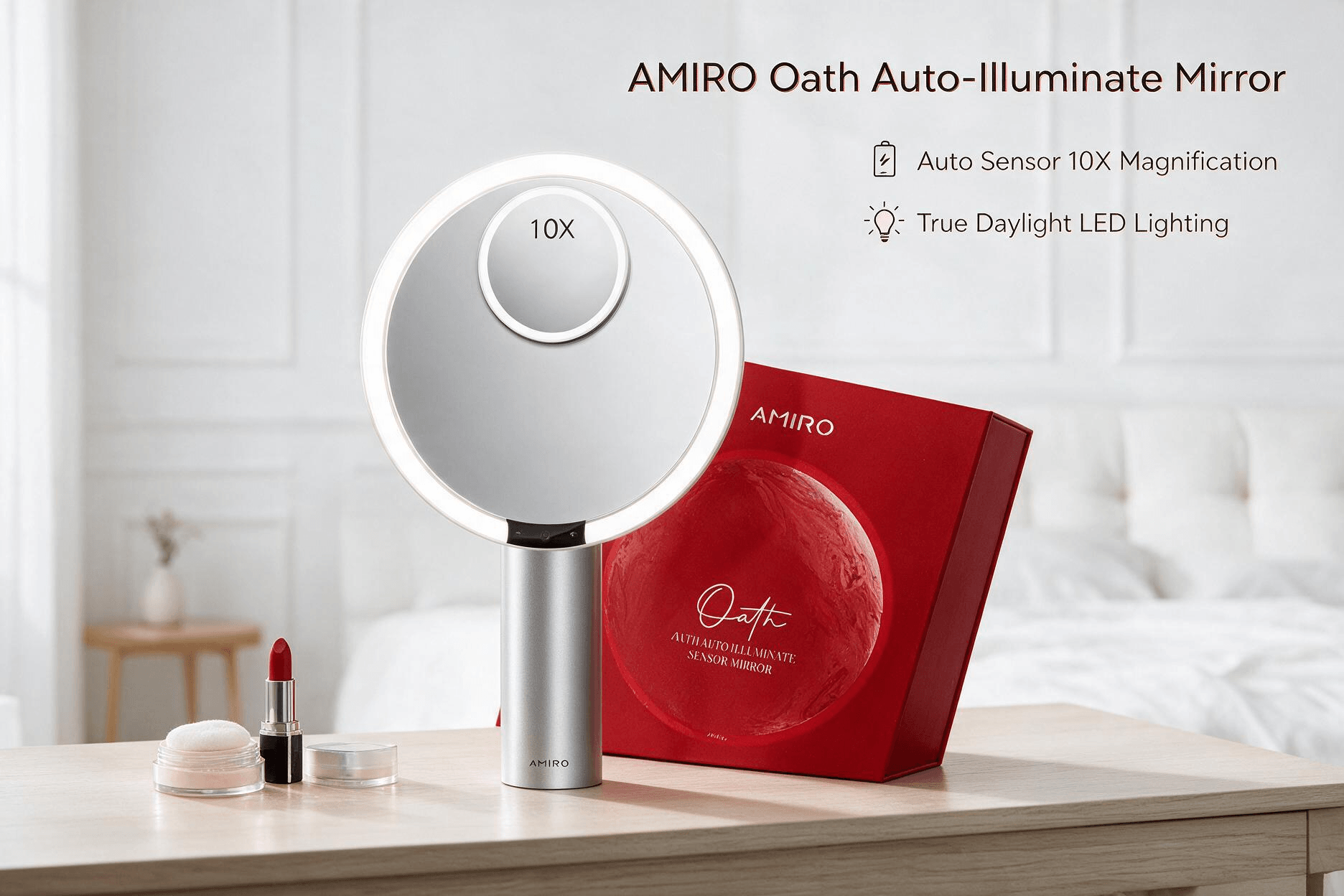
Every brand origin carries a fingerprint, a single decision that reveals what the founders truly valued. For AMIRO, that fingerprint is a mirror. Founded in 2015 by Dr. Nianou Wang, the company began not with a serum or a cream but with an intelligent makeup mirror. This was a deliberate choice, and it says everything about how AMIRO understands beauty. A mirror is not a product that changes the face; it is a product that changes perception. It is the interface between a person and their own reflection, the tool that makes every subsequent decision possible.
Dr. Wang came to the beauty industry with a background that treated aesthetics as an engineering problem. The question was not how to sell glamour. The question was how to give people a clearer, more honest relationship with their own appearance. The first AMIRO mirror addressed this through superior lighting, color accuracy, and a design language that felt more like a piece of precision equipment than a vanity accessory. It solved a problem that most consumers had accepted as unavoidable: the gap between how skin looked in bathroom light and how it looked in daylight, in offices, in photographs, in the world.
That mirror established a pattern that would define every product that followed. AMIRO does not enter a category unless it believes the existing solutions are leaving something meaningful on the table. It identifies a friction point in the daily beauty ritual, applies optoelectronic technology and rigorous industrial design, and produces something that feels both inevitable and previously unimagined. The mirror was the proof of concept. Everything that came afterward was an expansion of the same conviction.
Revitalizing Beauty Through Science
A mission statement can easily become decoration, something printed on packaging and forgotten. For AMIRO, the phrase “Revitalize beauty through science” functions as a working methodology. It is the reason the brand’s product development cycle looks more like a medical device laboratory than a cosmetics marketing department. It explains why the company invests in clinical validation, why its devices are reviewed by dermatologists, and why its visual identity borrows so heavily from the clean rationality of scientific instrumentation.
This mission has three operational values that guide every decision: Safe, Easy, and Effective. These words are not accidental. They represent the three anxieties that prevent most people from adopting advanced skincare devices. Consumers worry that powerful technology might damage their skin. They worry that sophisticated equipment will be too complicated to use consistently. And they worry, most of all, that they will spend money on something that does nothing. AMIRO organizes its entire development process around removing those three anxieties.
Safety comes first. The brand’s devices are engineered with multiple protective mechanisms, skin-contact sensors, and wavelengths or energy levels selected for home use rather than clinical settings. Ease follows close behind, because the most effective device in the world is worthless if it sits in a drawer. AMIRO designs for single-button operation, short treatment windows, and routines that fit into existing habits rather than demanding new ones. Effectiveness is the final validator, supported by the kind of quantitative claims that traditional beauty marketing often avoids: specific percentage improvements, specific time frames, specific clinical measurements.
The Aesthetics of Trust
One of the most distinctive elements of the AMIRO identity is its visual restraint. Where many beauty brands lean into opulence, ornament, or the soft blur of lifestyle aspiration, AMIRO chooses clarity. The brand’s palette draws from clinical environments: soft sky blues, crisp whites, and the occasional warm metallic accent in rose gold or silver. Its product photography favors even lighting, clean backgrounds, and the honest display of hardware. There are no velvet ribbons, no dripping gold leaf, no suggestion of alchemy. The message is that beauty technology should look like what it is.
This aesthetic discipline serves a strategic purpose. AMIRO is asking consumers to trust devices that emit light waves, radio frequencies, or controlled thermal energy onto their faces. That trust is easier to establish when the object in question looks precise, medical, and carefully made. The metallic finishes are not decorative excess; they signal material quality. The minimal interfaces are not minimalist fashion; they signal that the device has been stripped down to its essential function. Every visual choice reinforces the brand’s claim to scientific seriousness.
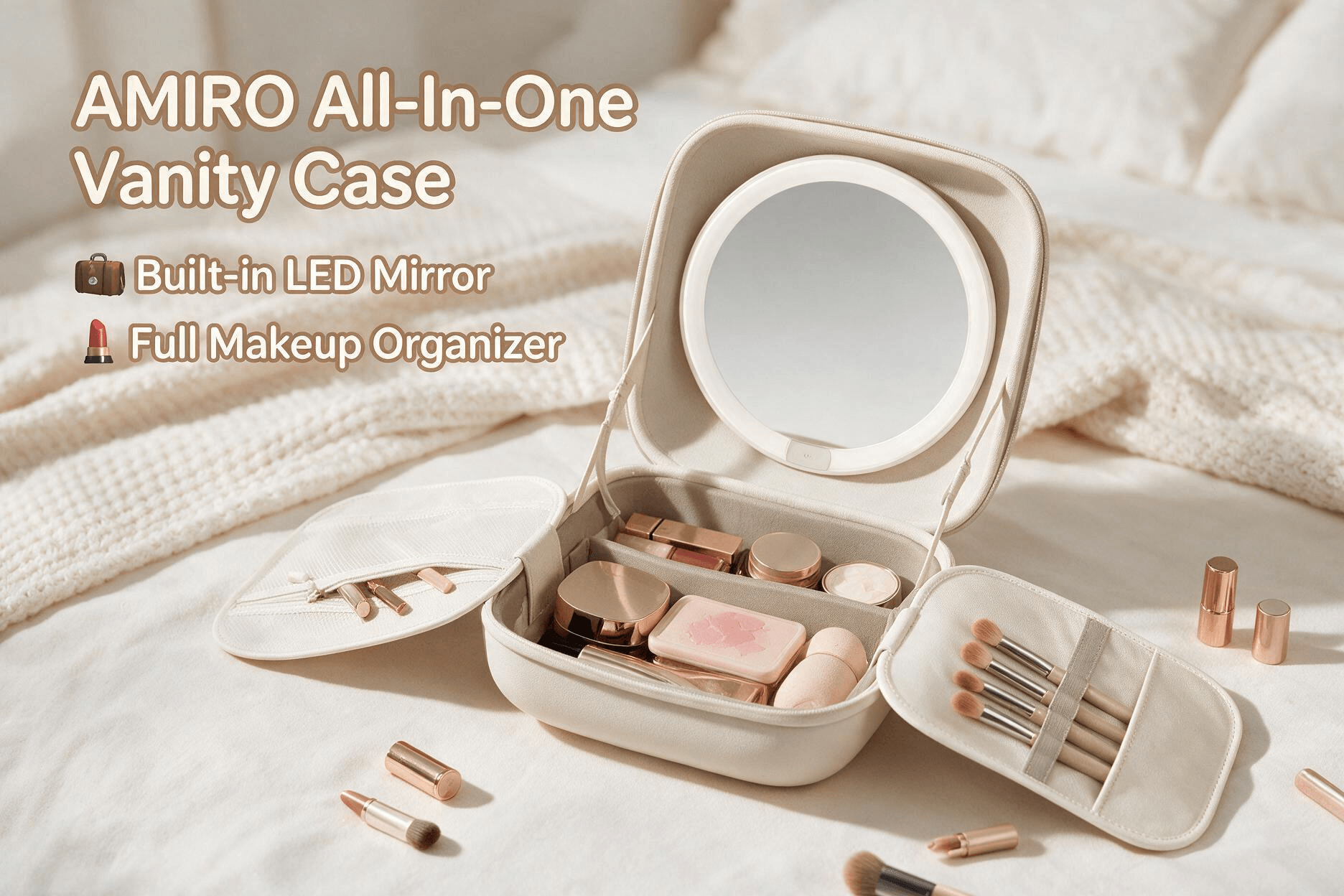
The design language also reflects a particular understanding of the modern home. AMIRO devices are not meant to be hidden in cabinets. They are meant to live on vanities and bathroom shelves, to become part of the architecture of a morning routine. Their compact forms and quiet elegance allow them to occupy visible space without cluttering it. This is an important psychological detail. A device that is pleasant to leave out is a device that gets used. A device that gets used is a device that delivers results.
Light, Energy, and the Logic of At-Home Care
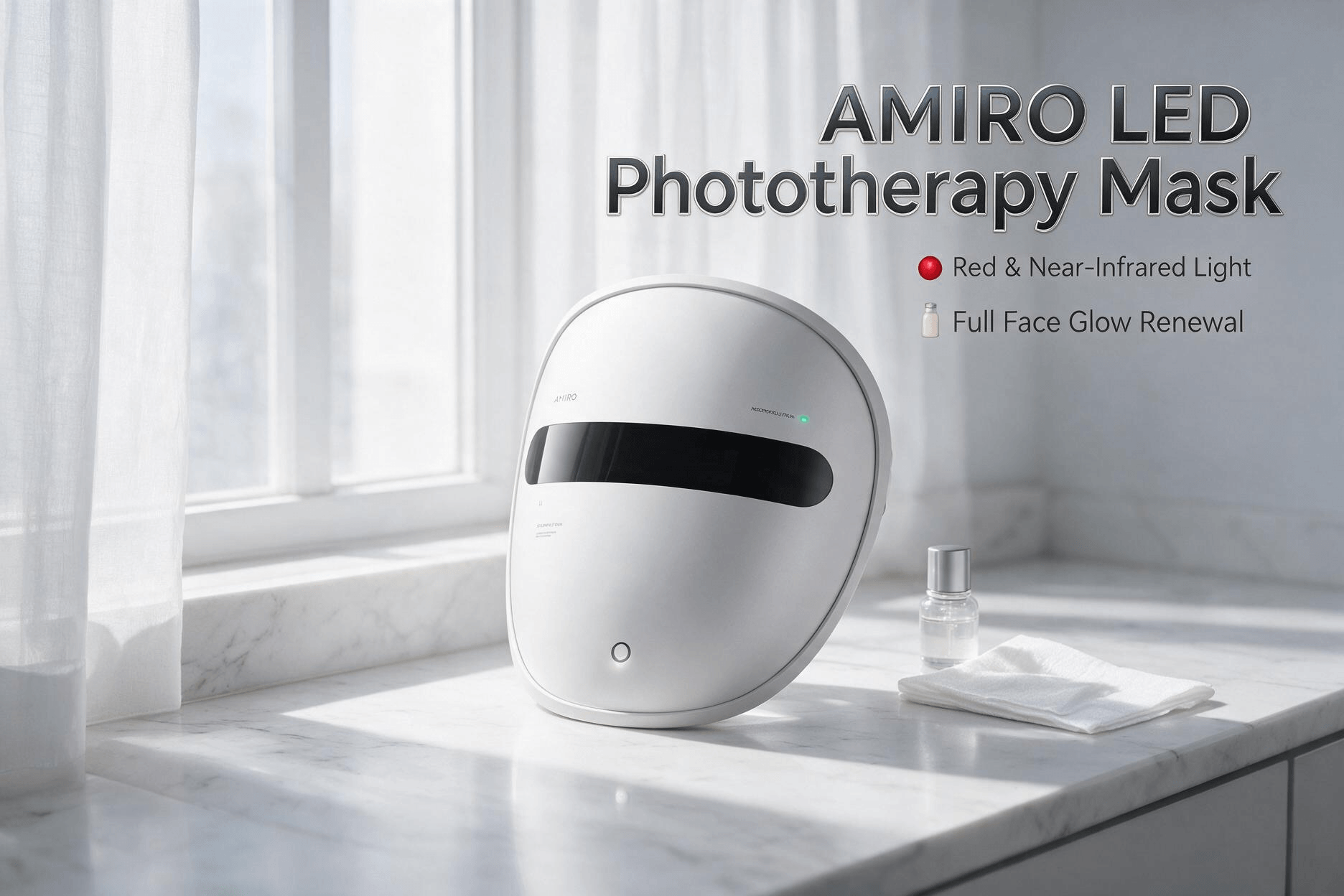
The technological backbone of AMIRO is optoelectronics, the science of generating, detecting, and manipulating light. This is not a casual reference point; it is the thread that connects the brand’s earliest mirrors to its most advanced skincare instruments. AMIRO understood early that light is one of the most powerful and underutilized tools in personal care. It can reveal truth, as in the color-accurate mirror, or it can prompt biological change, as in LED therapy and IPL hair removal.
The brand’s approach to at-home beauty technology rests on a simple but profound insight: the gap between professional treatments and home routines is not just a matter of potency. It is a matter of design. Professional equipment works because it is operated by trained practitioners in controlled environments. To translate that power into a home device, AMIRO had to solve not only the engineering problem of delivering effective energy but also the human problem of making that delivery safe, consistent, and unintimidating.
This is why AMIRO’s product development emphasizes closed-loop systems and guided protocols. The devices are designed to remove the guesswork that often sabotages home beauty tools. Users do not need to calculate exposure times or wonder whether they are holding the device at the correct angle. The engineering has already absorbed those variables. What remains is a ritual: a few minutes of intentional self-care that produces outcomes once available only through professional appointments.
The Product Ecosystem, Briefly
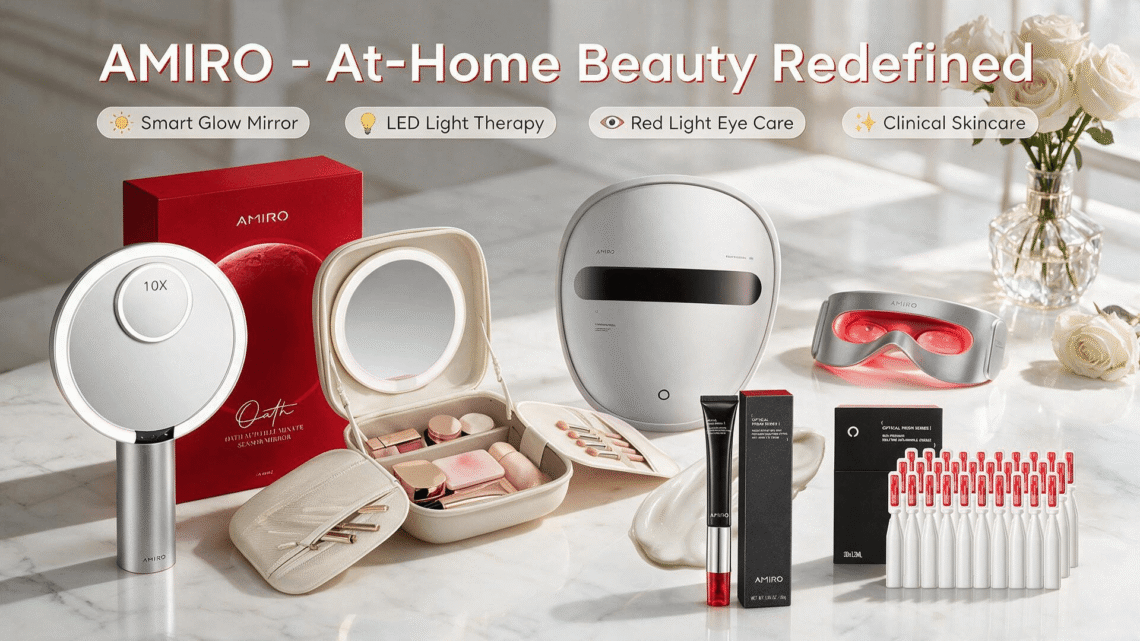
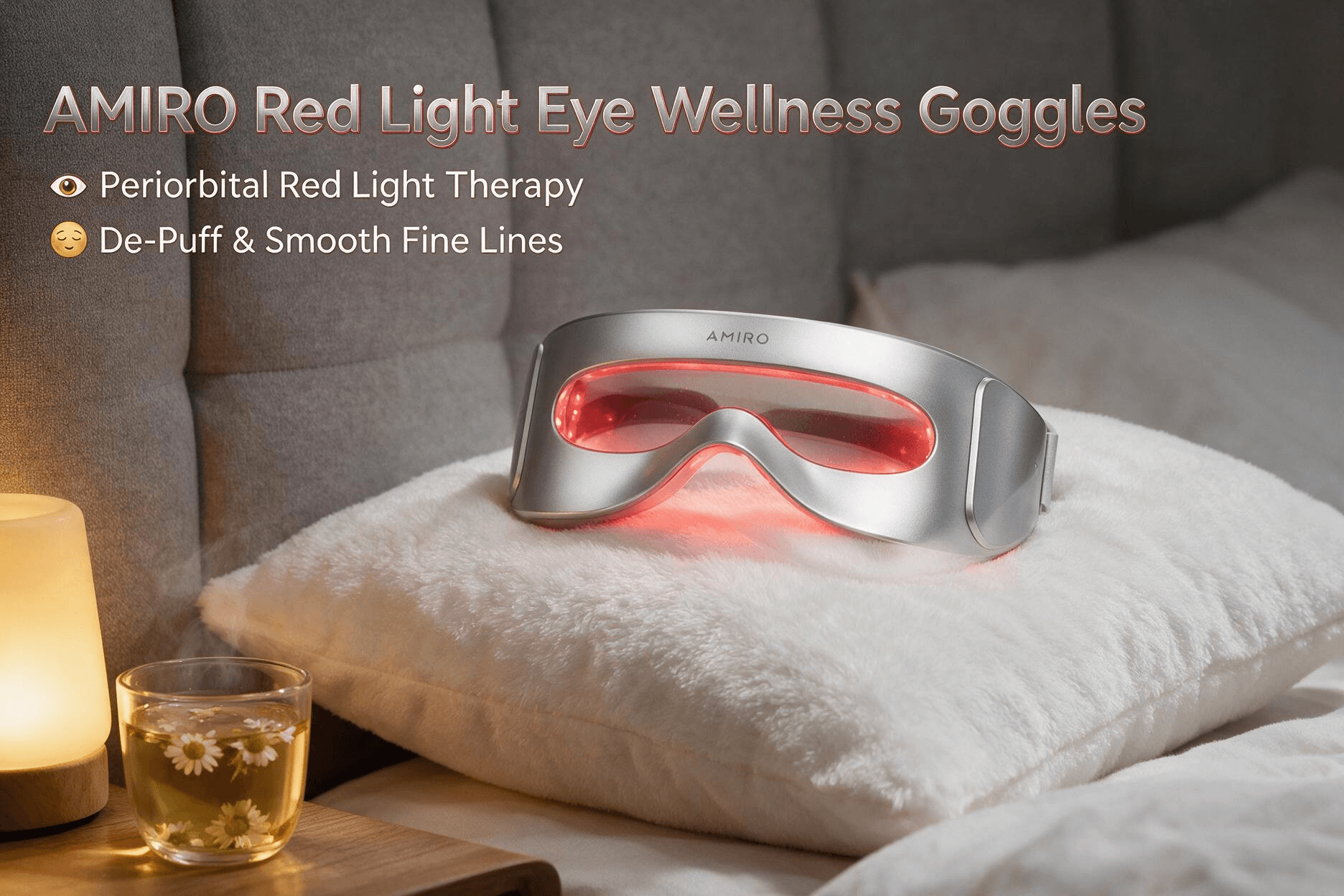
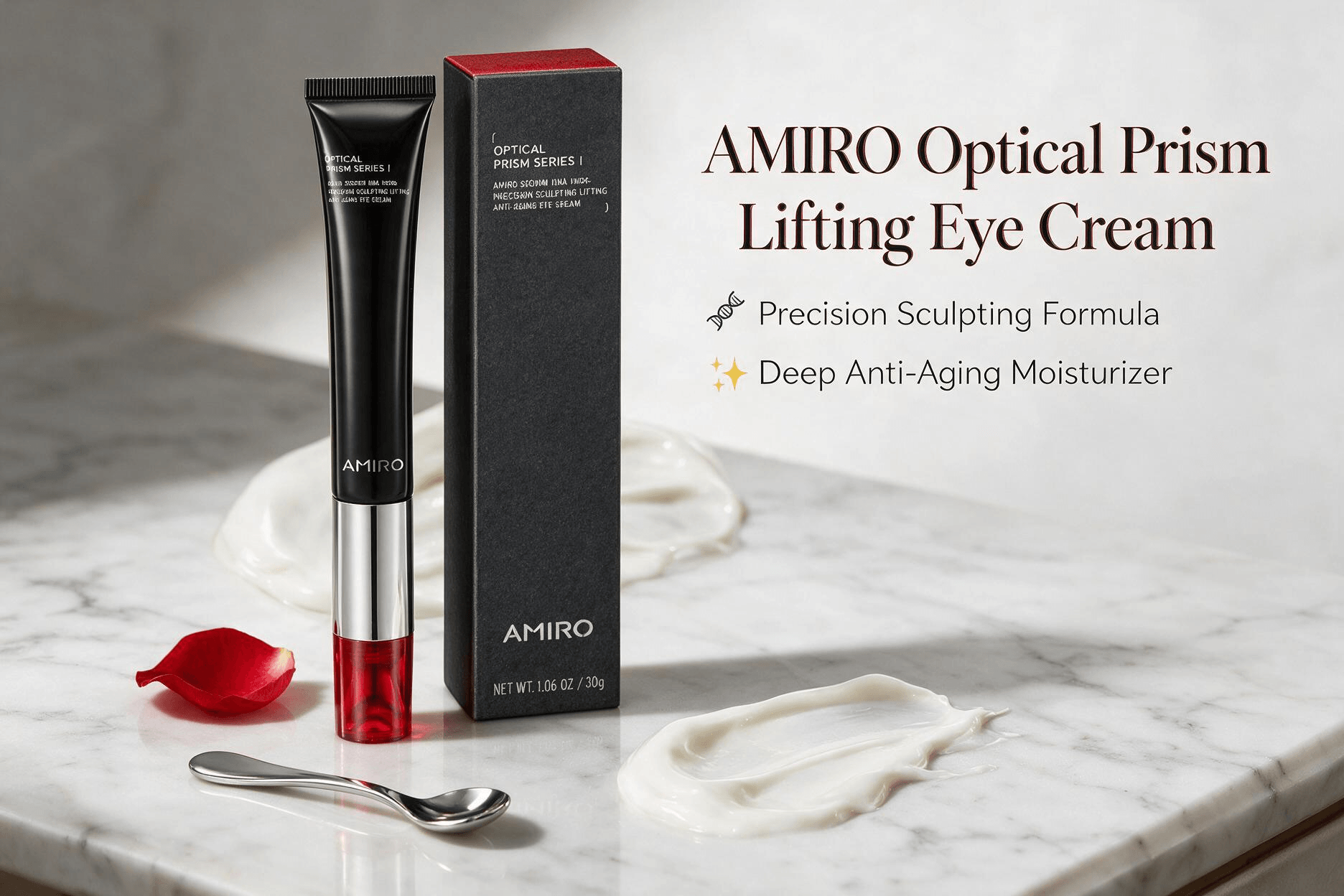
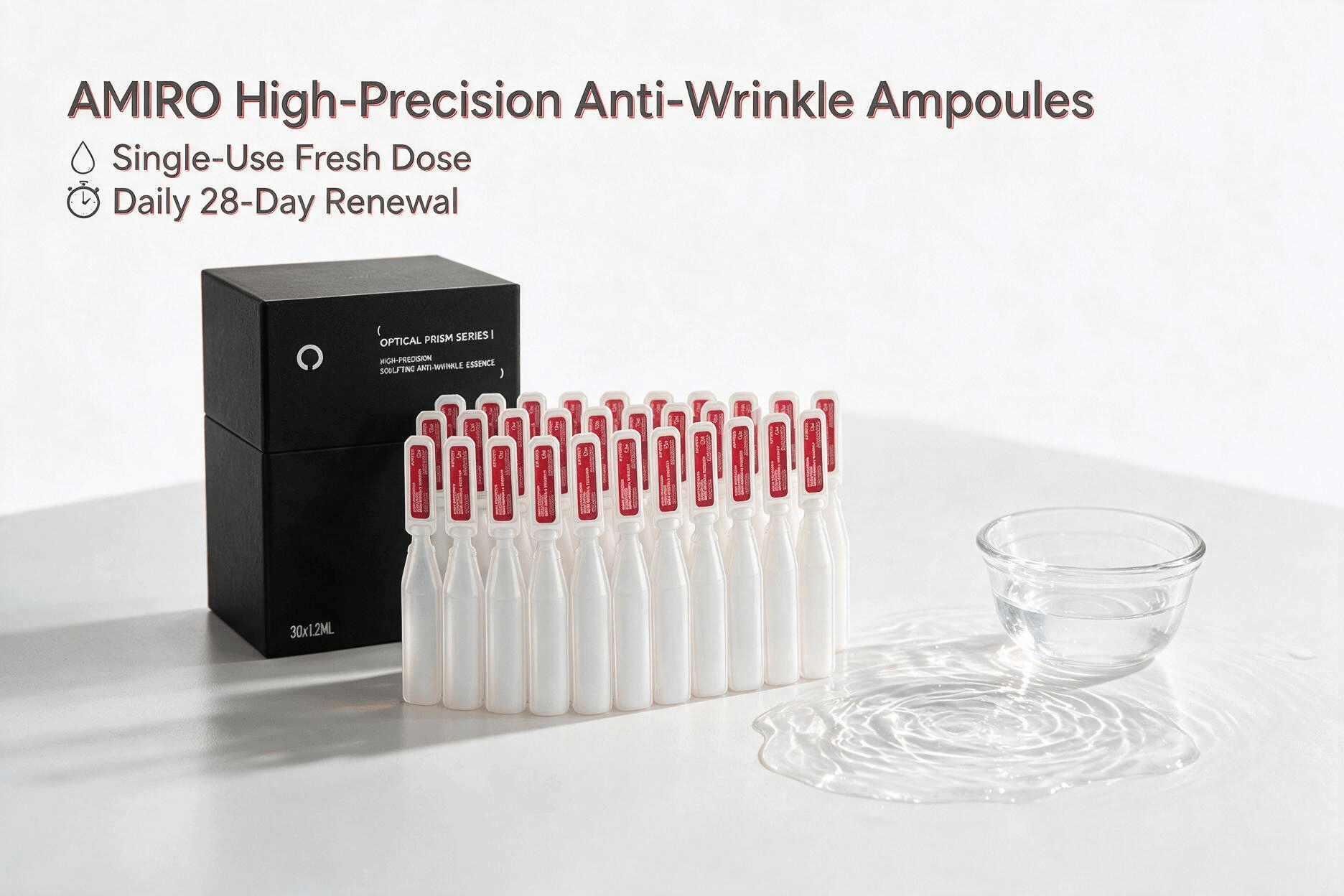
AMIRO’s current product range reflects the natural evolution of its founding idea. The intelligent makeup mirror remains central to the brand’s identity, an everyday object elevated by light science into something genuinely useful. From there, the company expanded into LED facial and eye masks that deliver concentrated light therapy in short sessions, addressing concerns like uneven tone, fine lines, and under-eye fatigue. Its IPL hair removal devices translate salon-style treatments into handheld units capable of covering larger areas efficiently. Skin-tightening and rejuvenation tools bring radio frequency and thermal technologies into the home, targeting the visible signs of aging with a precision that belies their small size.
Each category is connected by the same design DNA. The devices are compact, cordless where possible, and finished in the brand’s signature metallics. They are supported by routines measured in minutes rather than hours. And they are presented with the kind of clinical clarity that makes their purpose immediately legible. A product description, for AMIRO, is not an opportunity for poetic embellishment. It is an opportunity to explain what the device does, how long it takes, and what kind of result a user can reasonably expect.
This restraint in product communication is itself a brand statement. AMIRO trusts its audience to value substance over seduction. It does not need to promise transformation through mythic ingredients or exotic rituals. It promises, instead, that disciplined use of well-designed technology will produce visible, measurable improvement.
Credibility as a Cornerstone
No beauty tech brand can survive on engineering alone. The skin is intimate territory, and consumers rightly demand evidence before they commit. AMIRO has responded to this by building credibility through multiple channels. The brand’s devices are developed with attention to dermatological input, and its marketing features endorsements from board-certified dermatologists who lend medical authority to its claims. Recognition from publications like Vogue and Forbes has further reinforced the brand’s standing at the intersection of luxury and technology.
These validations matter because they align with how contemporary consumers research purchases. The modern buyer does not simply trust advertising. They look for expert consensus, editorial mention, clinical language, and user testimony. AMIRO has constructed its public presence to satisfy all of these checks. Its Amazon storefront, for instance, functions less as a sales page and more as a compressed dossier of credibility: clinical statistics, expert endorsements, product photography that emphasizes the hardware rather than the fantasy.
The brand has also earned placement on lists such as Forbes China’s Top 100 Emerging Brands, a recognition that places AMIRO within a broader narrative of Chinese innovation and global ambition. This is not incidental. It signals that AMIRO is part of a generation of companies redefining what “made in” can mean, moving from manufacturing associations to design leadership.
A Community Beyond the Device
Brands that endure rarely sell products alone. They sell membership in a worldview. AMIRO has cultivated this through initiatives like #AmiroInspire, which frames beauty technology not as vanity but as empowerment. The message is that understanding and caring for one’s skin is a form of self-respect, not self-obsession. That effective tools can free people from insecurity rather than feed it. That science, when made accessible, becomes a source of confidence.
This community orientation is particularly important for a brand whose core audience consists of women aged twenty-five to forty-five who are busy, discerning, and skeptical of beauty-industry theatrics. These consumers do not want to be flattered; they want to be informed. They do not want to be sold a dream; they want a tool that respects their intelligence and their schedule. AMIRO’s communication style, clean and direct, reflects this demographic perfectly. It treats beauty as a domain where competence is more appealing than aspiration.
The brand’s emphasis on short treatment windows also speaks to this audience. A “three-minute daily ritual” is not just a convenience feature. It is an acknowledgment that the people using these devices have full lives. They are not seeking an escape into an elaborate spa fantasy. They are seeking a reliable upgrade to a routine they already have.
The Future of Personal Beauty Technology
Looking ahead, AMIRO is positioned at the center of several converging trends. The beauty industry is moving decisively toward technology. Consumers are increasingly comfortable with devices that use light, heat, or electrical energy. The boundary between cosmetic care and personal health tech is blurring. And the expectation that professional results can be achieved at home is no longer radical; it is becoming standard.
AMIRO’s trajectory suggests that the brand will continue to deepen its investment in optoelectronic innovation while refining the user experience. Future products will likely become even more personalized, possibly integrating skin-sensing technology that adapts treatment parameters to individual conditions. They will likely become more connected, though hopefully in ways that serve function rather than novelty. And they will almost certainly continue to embody the brand’s core conviction that beauty technology should be serious, beautiful, and domestic all at once.
What gives AMIRO its particular resonance is not any single product. It is the consistency of its vision across nearly a decade of work. From the first intelligent mirror to the latest LED mask, every release has carried the same quiet argument: that the objects we use to care for ourselves should be worthy of our trust, our time, and our attention.
Why AMIRO Matters Now
In a cultural moment defined by skepticism toward empty marketing and disposable consumption, AMIRO offers a compelling alternative. It is a brand that treats beauty not as a mystery to be packaged but as a field to be engineered. It asks for consumer trust and then works to earn it through design, validation, and transparency. It understands that luxury in the twenty-first century is not about excess; it is about intelligence, efficiency, and the quiet pleasure of things that work as promised.
For anyone standing at the threshold of beauty technology, uncertain whether to invest in devices that sound too good to be true, AMIRO presents a reassuring case. The brand does not promise magic. It promises science, made patient, made portable, made beautiful. And in an industry that has long traded in illusion, that promise feels like the beginning of something genuinely new.
AMIRO is not just selling mirrors and masks. It is selling a different relationship to self-care, one built on clarity rather than fantasy, on evidence rather than exaggeration, on the belief that the best beauty routine is the one you can actually keep. That is the story at the heart of the brand. And it is a story worth remembering every time you look in the mirror.