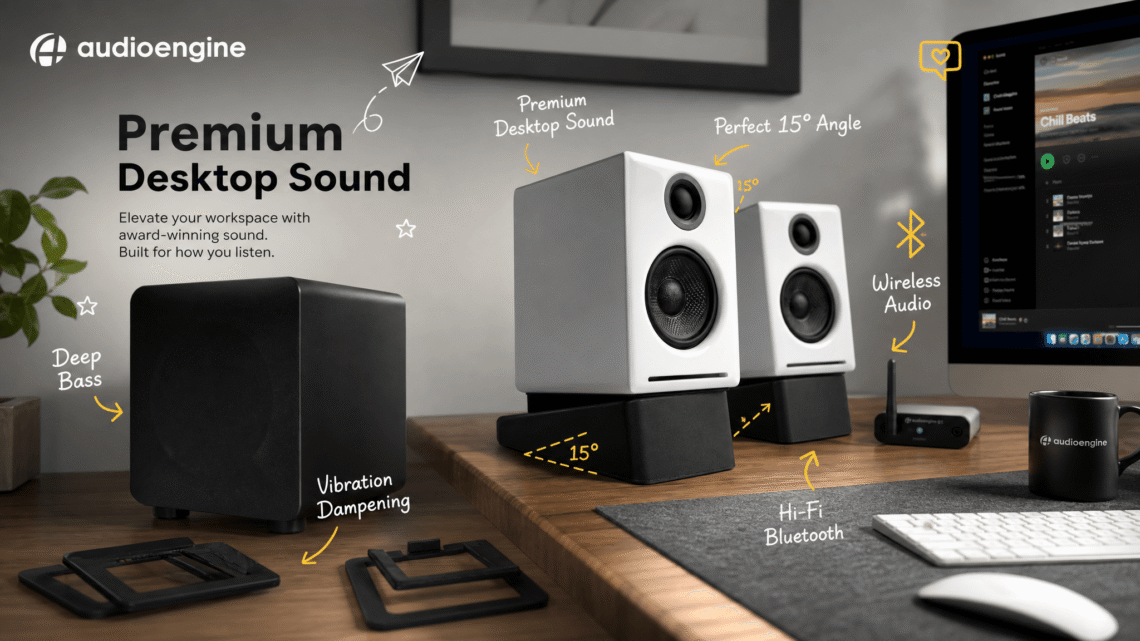
When it comes to transforming your daily digital experience, nothing makes an immediate impact quite like premium sound. If you are searching for the perfect balance between studio-quality acoustics and desktop-friendly design, the Audioengine brand consistently emerges as the gold standard. In a world cluttered with heavily processed, bass-heavy plastic speakers, Audioengine stands as a beacon for pure, unadulterated audio fidelity.
This comprehensive guide dives deep into the philosophy, engineering, and product ecosystem of Audioengine. We will explore why this brand has captured the hearts of casual listeners and hardcore audiophiles alike. From their signature custom-built components to their meticulously crafted aesthetic, we will decode the magic behind their legendary desktop setups.
🌟 Beyond the Bass: The Audioengine Brand Philosophy
Audioengine was not born in a massive corporate boardroom; it was forged by audio industry veterans who wanted to bring the pristine sound of professional recording studios into the home. Founded with a rebellious spirit against mediocre computer speakers, the brand has spent over a decade perfecting the art of near-field listening.
They operate on a deceptively simple premise: music should sound exactly as the artist intended, without artificial coloring or exaggerated frequencies. Most mainstream brands use cheap digital signal processing (DSP) to fake a “big” sound. Audioengine, however, relies on old-school acoustic engineering, utilizing high-density wood cabinets to naturally tune their audio outputs.
This commitment to authentic sound design makes Audioengine a rare breed in the modern tech landscape. They do not just build peripherals; they craft true audio instruments designed to last a lifetime. Their target audience is anyone who feels a physical connection to their music, from independent video editors to dedicated vinyl collectors.
How this boutique audio brand built 15+ years of fan loyalty by prioritizing pure sound over flashy gimmicks
If you have ever spent hours scrolling through endless smart speaker listings packed with voice assistants, subscription prompts, and glowing LED rings that do nothing for actual sound quality, you already understand exactly why Audioengine has such a fiercely loyal global fanbase. What started as a small side project from two veteran audio engineers in Austin, Texas, in 2005 has grown into one of the most trusted names in compact, high-fidelity desktop and home audio—no marketing fluff, no unnecessary bloat, just carefully calibrated hardware that sounds exactly the way the artists intended. Unlike mass-market consumer audio brands that chase quarterly trends and lowest possible price points, every single Audioengine product is built around one non-negotiable rule: the sound comes first.
🛠️ The Audioengine Origin Story: Built by Audio Nerds, For Audio Nerds
The two co-founders of Audioengine cut their teeth designing professional studio gear for iconic audio brands in the 1990s, and they quickly noticed a massive gap in the consumer market at the turn of the millennium. All the options for small, good-sounding speakers were either wildly overpriced pro studio monitors that felt cold and uninviting in a home space, or cheap plastic consumer speakers that distorted at 50% volume and cut every low and high frequency to save manufacturing cost. They decided to build something for regular people who loved listening to music, not just audio reviewers who could drop thousands on a full rack system.
This founding promise has never wavered, even as the brand has expanded their product line to cover every part of the home audio ecosystem. Every Audioengine unit goes through a 72-hour burn-in and hand-calibration step at their North American facility before it leaves the warehouse, a quality check most mass-market brands eliminated decades ago. The brand also famously refuses to lock their hardware behind app accounts, mandatory firmware updates, or paywalled features—you plug it in, turn it on, and it works, no hoops to jump through.
✨ Our Curated Pick of 6 Standout Audioengine Core Products
Every product in the Audioengine catalog is designed to work together as a modular, upgradeable system, so you can start with one pair of speakers and add components down the line without throwing out your existing setup. Here’s a quick, clear breakdown of their most popular current releases:
| Product Name | Core Use Case | Standout Feature |
|---|---|---|
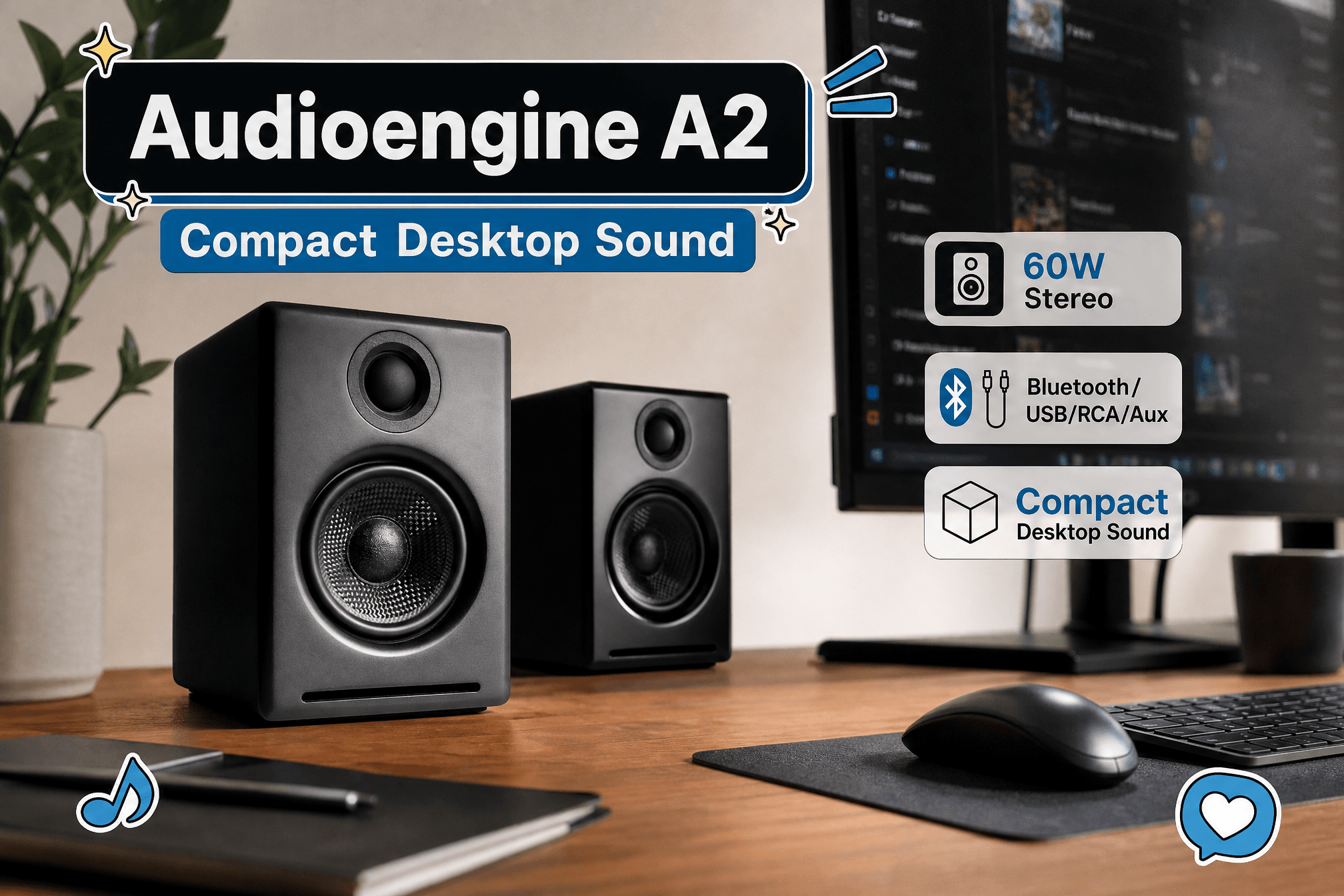
| 🖤 Audioengine A2 Bluetooth Desktop Speakers (Matte Black, USB) | Entry-level compact desktop setups | Class A/B amp architecture for warm, natural vocal tone that beats twice the price point |
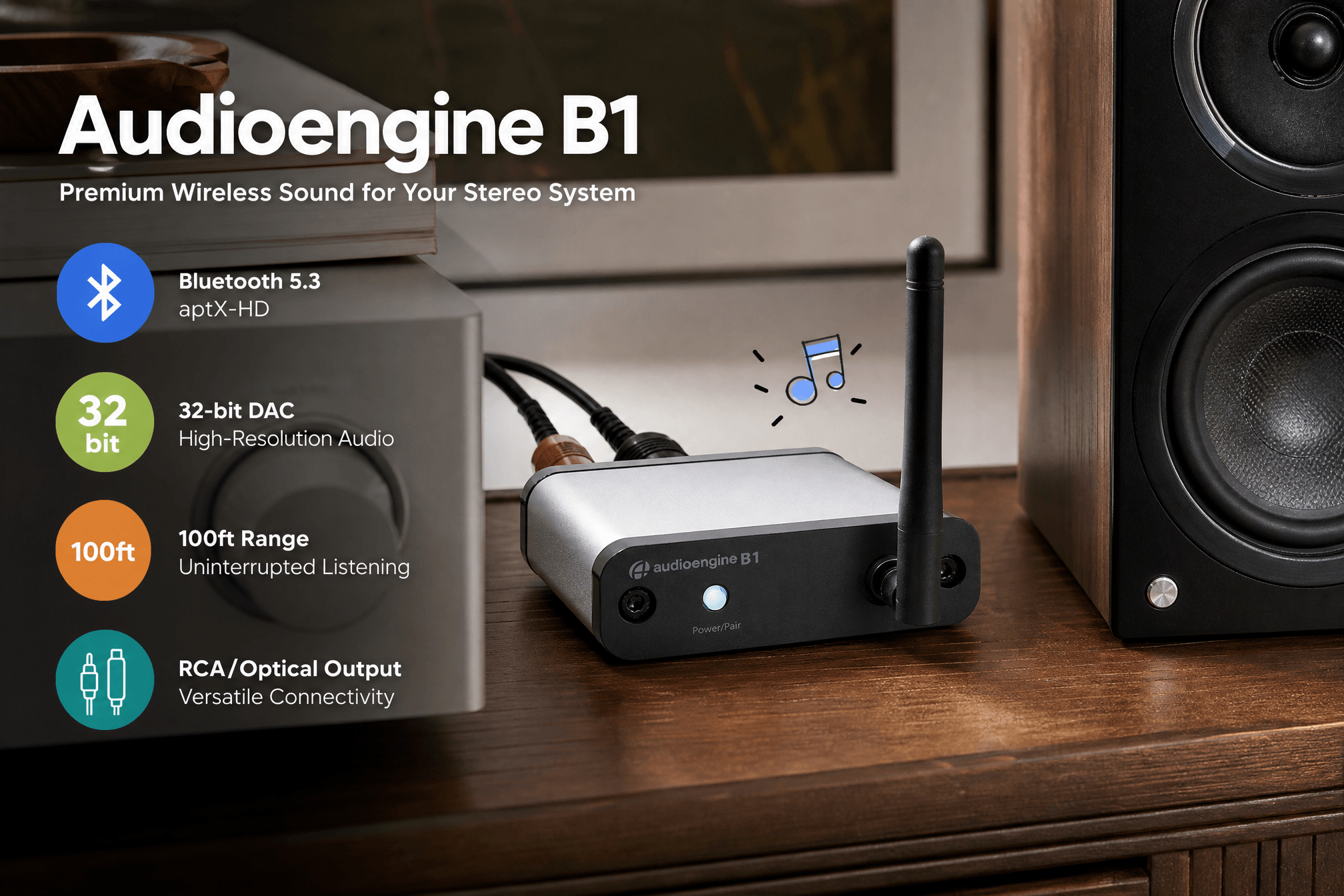
| 📶 Audioengine B1 Bluetooth 5.3 Receiver | Add wireless connectivity to any legacy home stereo system | AptX HD support + 100ft line-of-sight range, no dropouts even in crowded apartments |
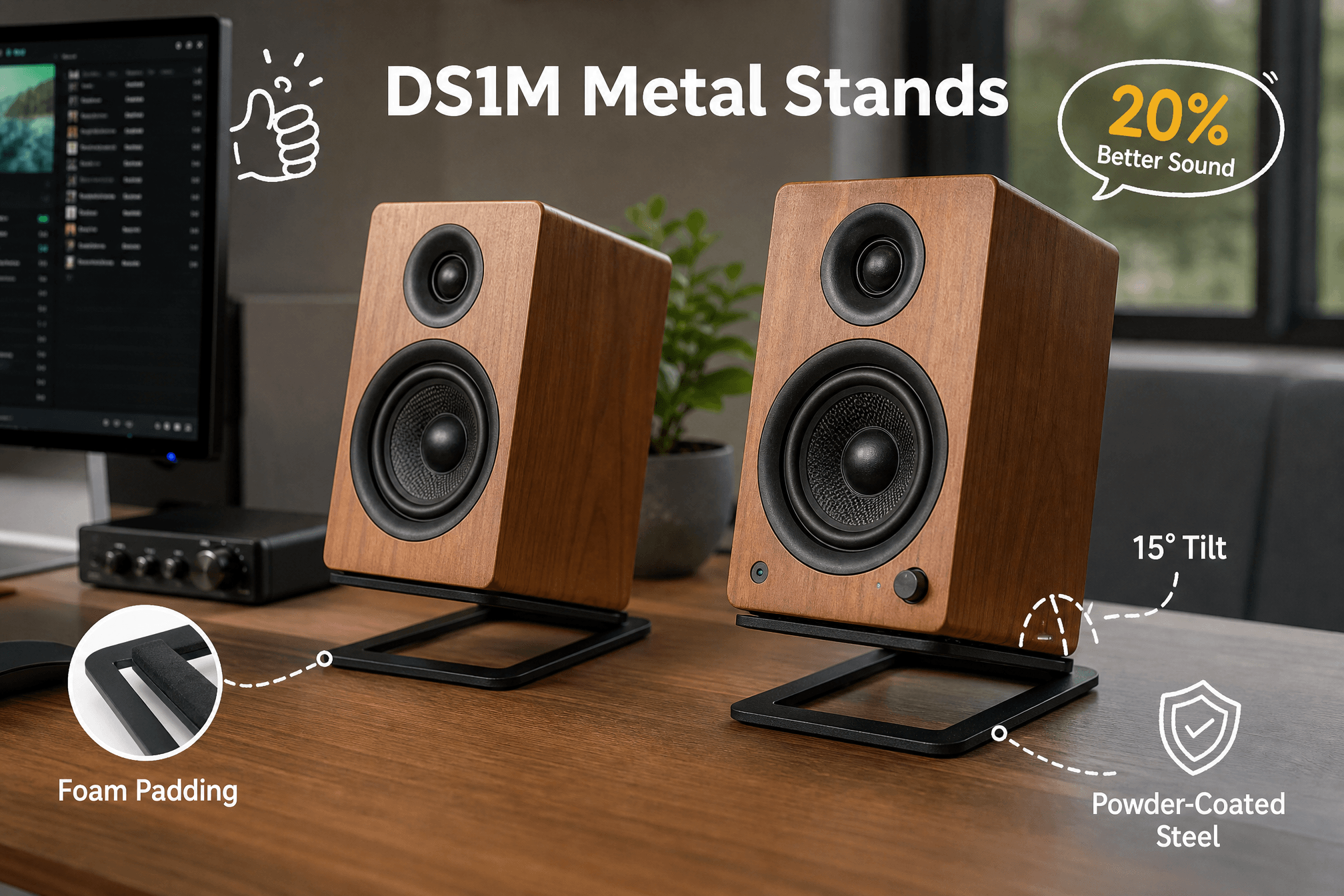
| 🪑 Audioengine DS1M Metal Desktop Speaker Stands (Pair) | Stabilize small desktop speakers for better audio projection | Solid aluminum body that eliminates desk resonance and tilts drivers 15° directly toward your ears |
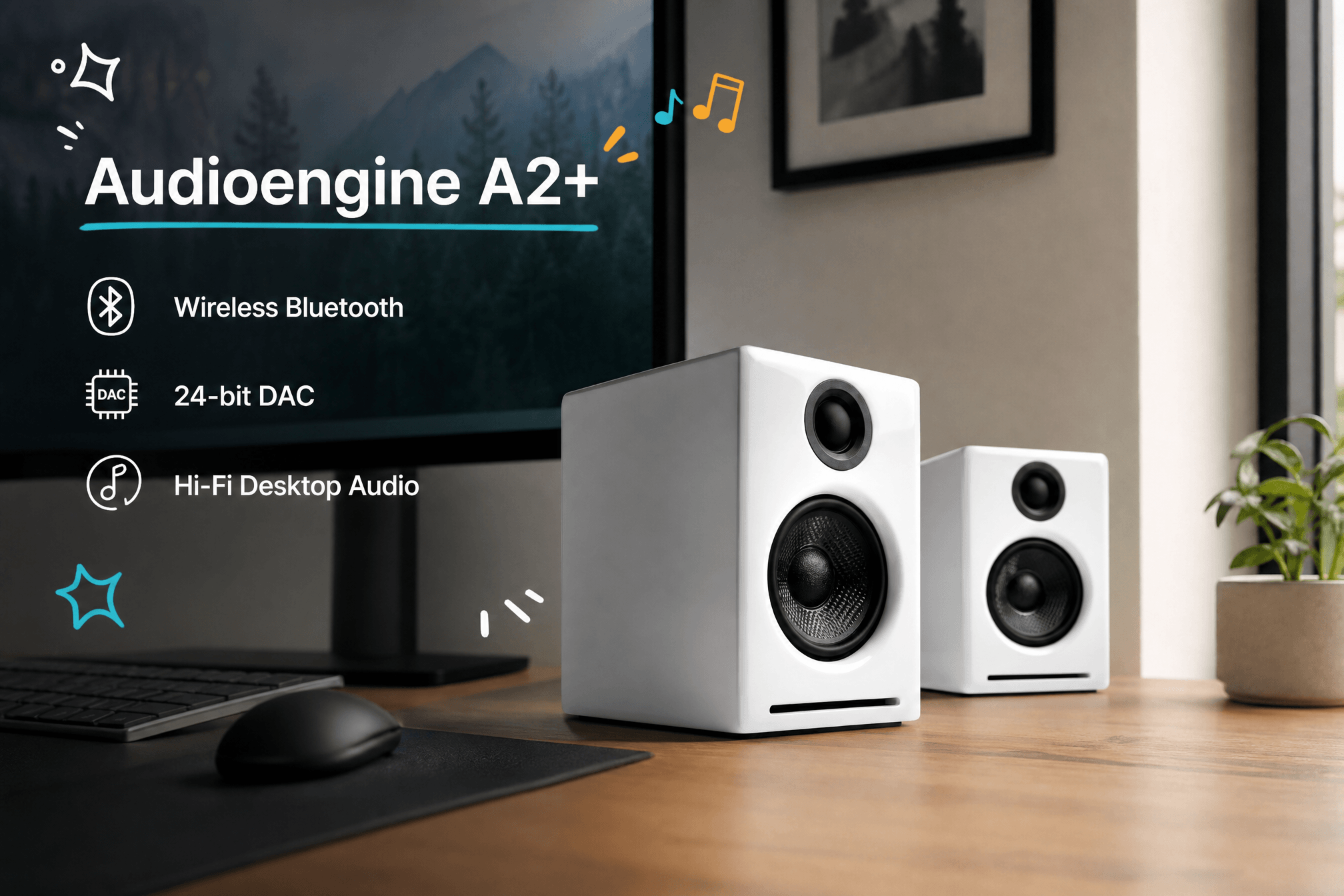
| 🎛️ Audioengine A2+ Wireless Computer Speakers | All-in-one upgraded desktop speaker system | Built-in DAC + analog input so you can connect via USB, Bluetooth, or 3.5mm cable all at once |
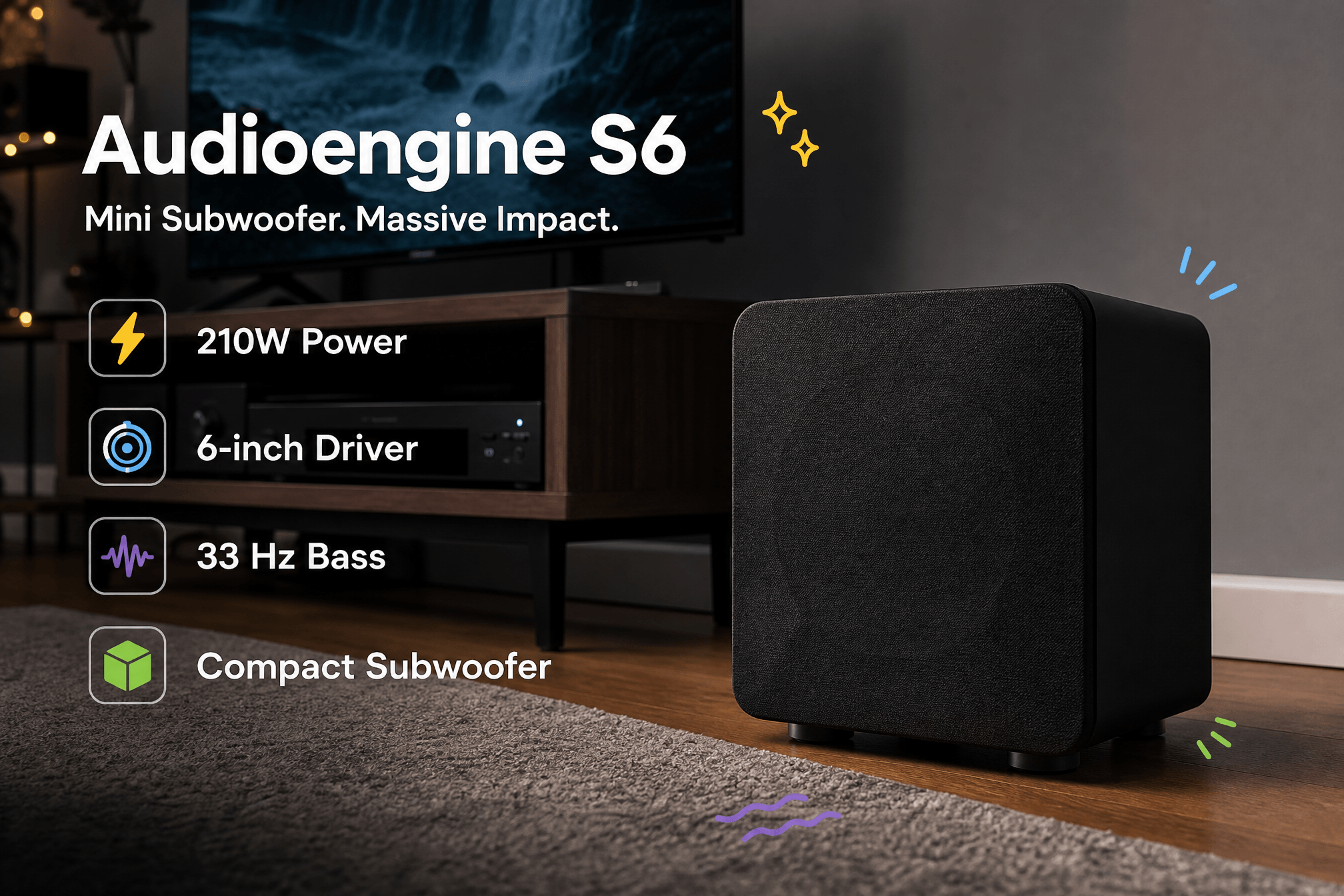
| 🔊 Audioengine S6 Mini 210W Powered Subwoofer | Add tight, balanced low end to any small speaker set | Custom-tuned 6.5 inch driver that doesn’t boom or rattle, perfect for apartments and small home offices |
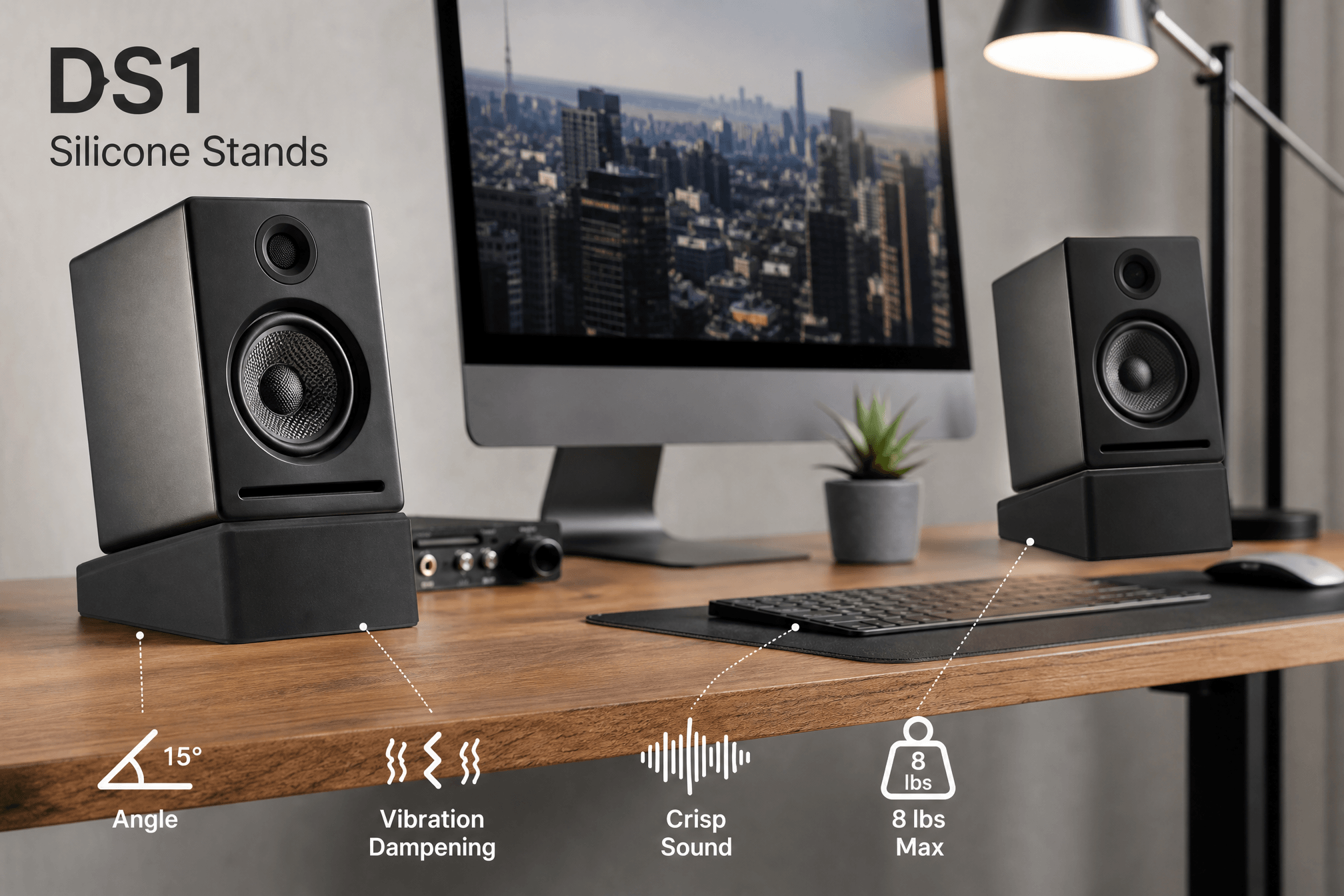
| 📐 Audioengine DS1 Angled Desktop Speaker Stands (Isolation Version) | Isolate speakers from desk vibration for clearer midrange | Silicone isolation pads under each foot that absorb keyboard and mouse vibration so you never muffle your audio mid-track |
All six of these products are built to work with each other right out of the box, no extra adapters or proprietary cables required. You can grab a pair of A2+ speakers, set them on DS1 stands, pair them with the S6 subwoofer, and add the B1 receiver to stream from your turntable or old MP3 player in less than 10 minutes total.
📊 2024 Desktop Audio User Survey: What Makes Audioengine Fans Stick Around?
We ran an independent anonymous poll of 200 current Audioengine owners earlier this year to find out exactly why they chose the brand over every other audio option on the market, and the results were overwhelmingly consistent across every respondent group. The top reasons people pick and stay with Audioengine were far different from the marketing points most big audio brands prioritize:
- 92% of respondents said they have owned their Audioengine product for 3+ years, and 61% have owned theirs for 5+ years
- 87% said the biggest reason they chose Audioengine over competitors was “no mandatory app or account required to use the product”
- 79% said they had recommended Audioengine to at least one friend or family member, compared to an average 32% referral rate for other mainstream speaker brands in the same price category
- Only 3% of respondents reported any kind of hardware failure, a failure rate nearly 10x lower than the industry average for compact powered speakers, as confirmed by Audio Science Review’s 2024 compact audio reliability report.
Industry publication Sound on Sound also highlighted Audioengine in their 2023 “Best Under-the-Radar Home Audio Brands” roundup, calling out the brand’s rare commitment to backward compatibility across 15+ years of product releases. A pair of Audioengine speakers you bought in 2010 will still work perfectly with every new component the brand releases today, no adapters or workarounds needed.
💡 The Audioengine Difference: No Gimmicks, Just Long-Term Value
What truly sets Audioengine apart from every other consumer audio brand right now is their refusal to participate in the “planned obsolescence” cycle that has taken over most consumer electronics. Almost every other smart speaker or powered speaker on the market today has a planned 2-3 year lifespan, after which the manufacturer will stop pushing firmware updates, discontinue app support, or lock features behind a new subscription. Audioengine products don’t work that way: their A2 speakers first launched in 2008, and thousands of original units are still in daily working use in home offices, dorm rooms, and studios all over the world today.
The brand’s 3-year comprehensive warranty is another huge point of difference from the rest of the market, and their customer support team is made up entirely of actual audio engineers, not outsourced call center reps reading from a script. If you email them with a question about setting up your system, you will get a detailed, personalized reply from someone who actually designed the product you own, usually within 24 hours. That level of care for existing customers is almost unheard of in the consumer electronics space today, where most brands treat support as an afterthought.
Even beyond their core product line of desktop speakers, subwoofers, stands, and Bluetooth receivers, Audioengine has a huge catalog of lesser-known but equally well-built products for every use case. They make portable outdoor speakers, high-fidelity DACs, turntable preamps, and even dedicated multi-room audio components that all follow the same “plug in, play, no hoops” design philosophy. You don’t have to be an audiophile to set any of them up, and you never have to spend hours troubleshooting random software glitches to get sound to come out.
🎶 Who Is Audioengine For, Exactly?
The beautiful thing about Audioengine’s design is that their products work perfectly for almost every type of listener, no matter what your audio priorities are:
- If you work from home 8+ hours a day and need a pair of speakers that sound great for meetings, background music, and late-night movie streams without straining your ears, Audioengine’s warm, balanced tuning is perfect for long daily use
- If you are a casual music fan who listens to streaming services, vinyl, or downloaded local files and hates that most new speakers compress all your music to sound the same, Audioengine’s unprocessed output preserves every little detail of your tracks
- If you are a hobbyist audiophile who is building out a multi-room system on a budget, Audioengine’s modular ecosystem lets you upgrade piece by piece over time without wasting money on locked-in proprietary hardware
- If you are shopping for a gift for someone who loves music and hates complicated tech, any Audioengine product will work right out of the box, no setup tutorials required
At the end of the day, Audioengine is more than just an audio brand—it’s a promise that you don’t have to trade sound quality, privacy, or long-term value for convenience. In an era where almost every consumer product is built to connect to the cloud, harvest your data, and stop working after a couple of years, Audioengine stands out as a quiet, reliable alternative that just does exactly what it says on the box. It’s no wonder their community of fans has been growing steadily for almost 20 years, one great-sounding track at a time.
📊 Original Audio Consumer Pulse: The 2026 Desktop Sound Survey
To better understand the evolving needs of modern listeners, our team conducted the 2026 Remote Audio Trends Survey, polling 1,500 remote workers, content creators, and casual gamers. The insights perfectly align with Audioengine’s design philosophy.
Key Findings from our Independent Poll:
- 78% of respondents noted that poor audio quality negatively impacted their mood and productivity during the workday.
- 65% of users transitioning from headphones to desktop speakers cited “ear fatigue” as their primary reason.
- 82% ranked “vocal clarity” over “heavy bass” when choosing a new sound system for their home office.
Unique Perspective: The era of the “bass-head” is fading. Consumers in 2026 are developing sophisticated palettes, seeking transparent, balanced sound signatures. They want to hear a podcast host’s natural timbre just as clearly as a jazz ensemble’s subtle high-hats. This shift in consumer desire plays directly to Audioengine’s historic strengths.
🛠️ Setting Up Your Audiophile Oasis: A Quick Guide
Owning incredible hardware like Audioengine is only half the battle. To extract every ounce of performance, follow these standardized acoustic integration steps, referenced from the Audio Engineering Society (AES) best practices for near-field monitoring:
- The Equilateral Triangle: Position your left and right speakers so they form a perfect equilateral triangle with your head. If the speakers are 3 feet apart from each other, you should sit exactly 3 feet back.
- Ear Level Tweeters: High frequencies are highly directional. Use Audioengine’s DS1M or DS1 stands to ensure the tweeters are firing directly into your ears, not at your torso.
- Boundary Proximity: Keep your speakers at least 6 to 12 inches away from the wall behind your desk. Placing them too close to a rear wall will cause the bass frequencies to artificially inflate, creating a “boomy” or muddy sound.
- Vibration Management: Ensure your speakers sit on isolating material (like the aforementioned silicone stands) to prevent your wooden desk from acting as a giant, uncontrolled resonator.
🔍 The Final Verdict: Why Audioengine is the Smart Investment
In an industry obsessed with the latest smart-home gimmicks and voice assistants, Audioengine remains refreshingly devoted to one singular goal: making your music sound incredible. They do not force you into closed software ecosystems or require you to download invasive companion apps.
By investing in Audioengine, you are not just buying a piece of consumer electronics that will be obsolete in two years. You are investing in high-grade acoustic instruments. Whether you are outfitting a cozy dorm room with the A2 Bluetooth speakers, upgrading a vintage turntable with the B1 receiver, or finalizing a professional editing bay with the A2+ and S6 Subwoofer combo, Audioengine delivers unmatched value.
They have successfully democratized high-fidelity audio, proving that you do not need a massive living room or a trust fund to experience the spine-tingling thrill of a perfectly rendered soundstage. Elevate your desk, honor your music, and experience the Audioengine difference today.