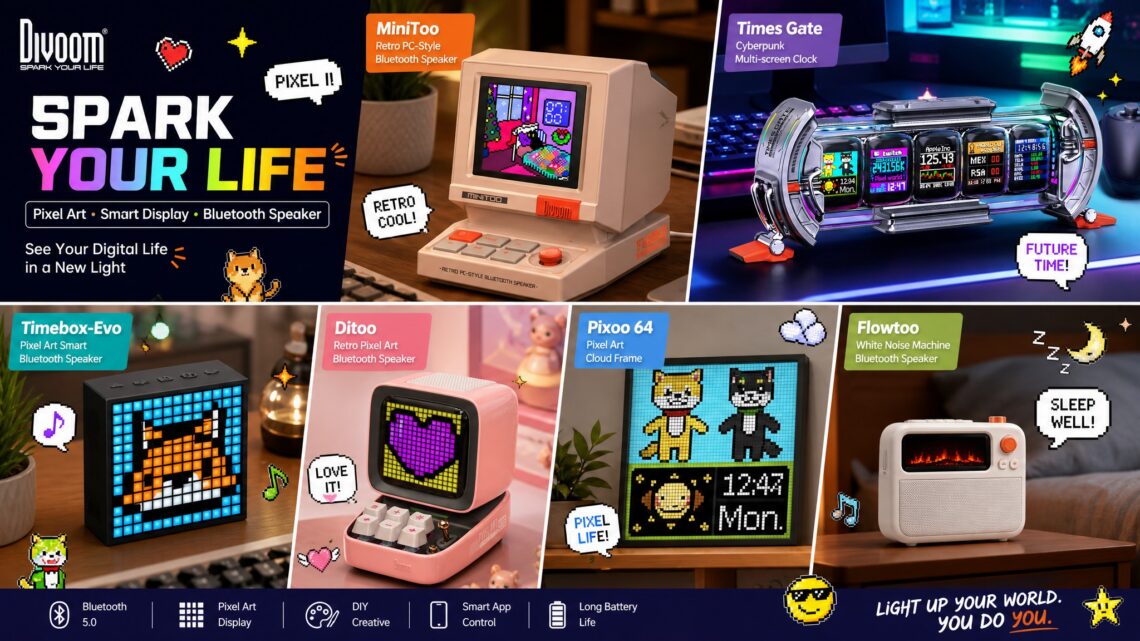
There’s something quietly magical about a device that doesn’t just play music, but feels like part of your personal space. Over the past few years, the intersection of sound and visual creativity has given rise to a new category of gadgets—ones that blur the line between speaker, display, and self-expression. Among the brands leading this niche is Divoom, a name that keeps popping up in creative workspaces, gaming desks, and cozy corners alike.
At first glance, their products look playful—pixelated screens, compact shapes, and retro-inspired designs. But spend a little time with them, and you realize they’re not just decorative gadgets. They’re functional, surprisingly versatile tools that happen to look like art pieces.
Where Sound Meets Pixel Art
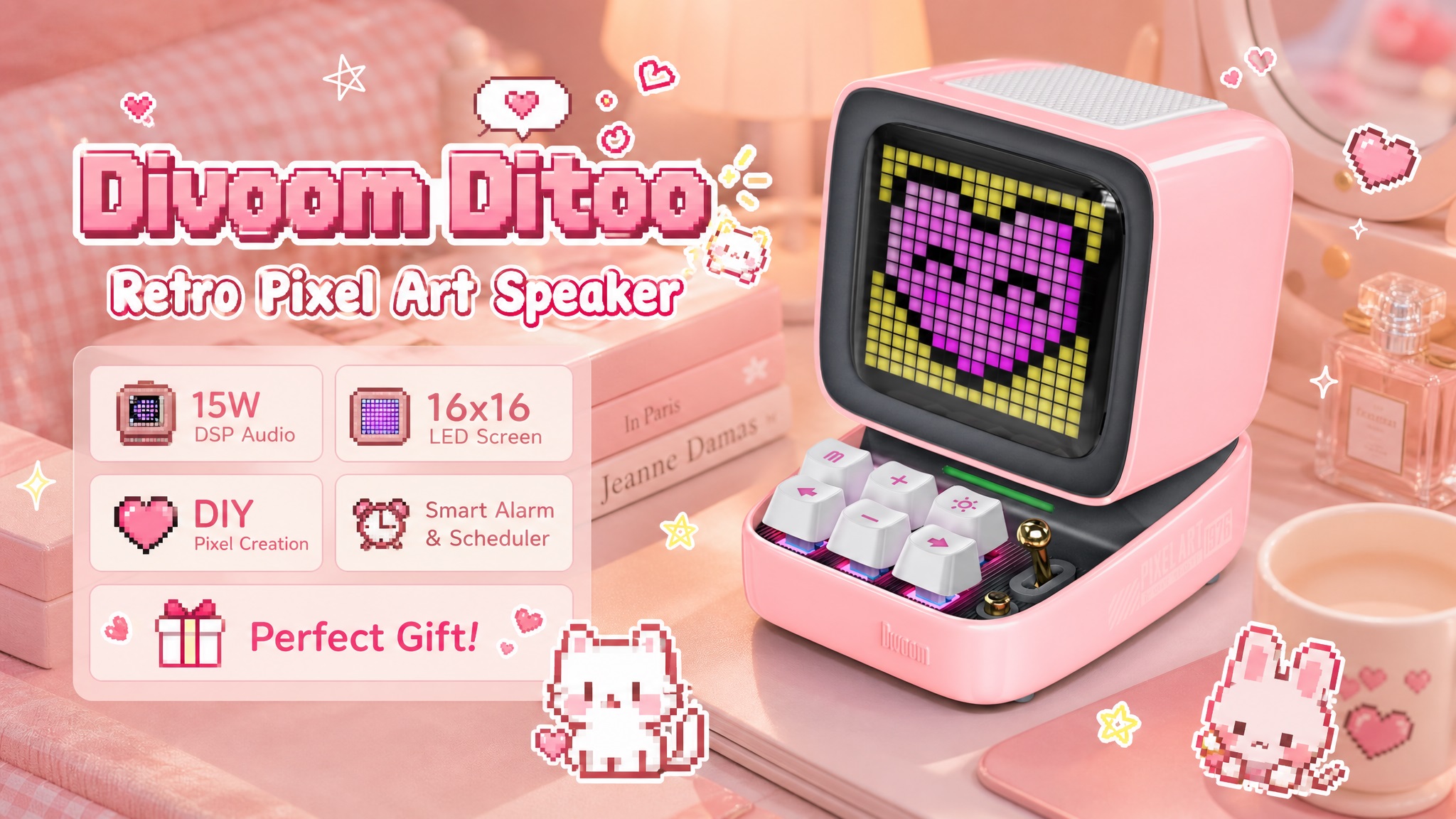
The idea behind Divoom is refreshingly simple: audio devices don’t have to be invisible or purely utilitarian. Instead, they can become part of your visual environment. Their pixel art displays turn a standard Bluetooth speaker into something interactive—something you can customize, animate, and even use as a subtle communication tool.
This fusion of sound and visuals feels especially relevant in today’s desk culture. Whether you’re working from home, gaming late into the night, or creating content, your setup is no longer just functional—it’s expressive. A speaker that doubles as a pixel display fits naturally into that ecosystem.
Some users lean into nostalgia, creating 8-bit animations reminiscent of early video games. Others use it more practically—displaying clocks, notifications, or ambient visuals that match their mood. Either way, it’s a different experience than just pressing play on a traditional speaker.
Design That Feels Personal
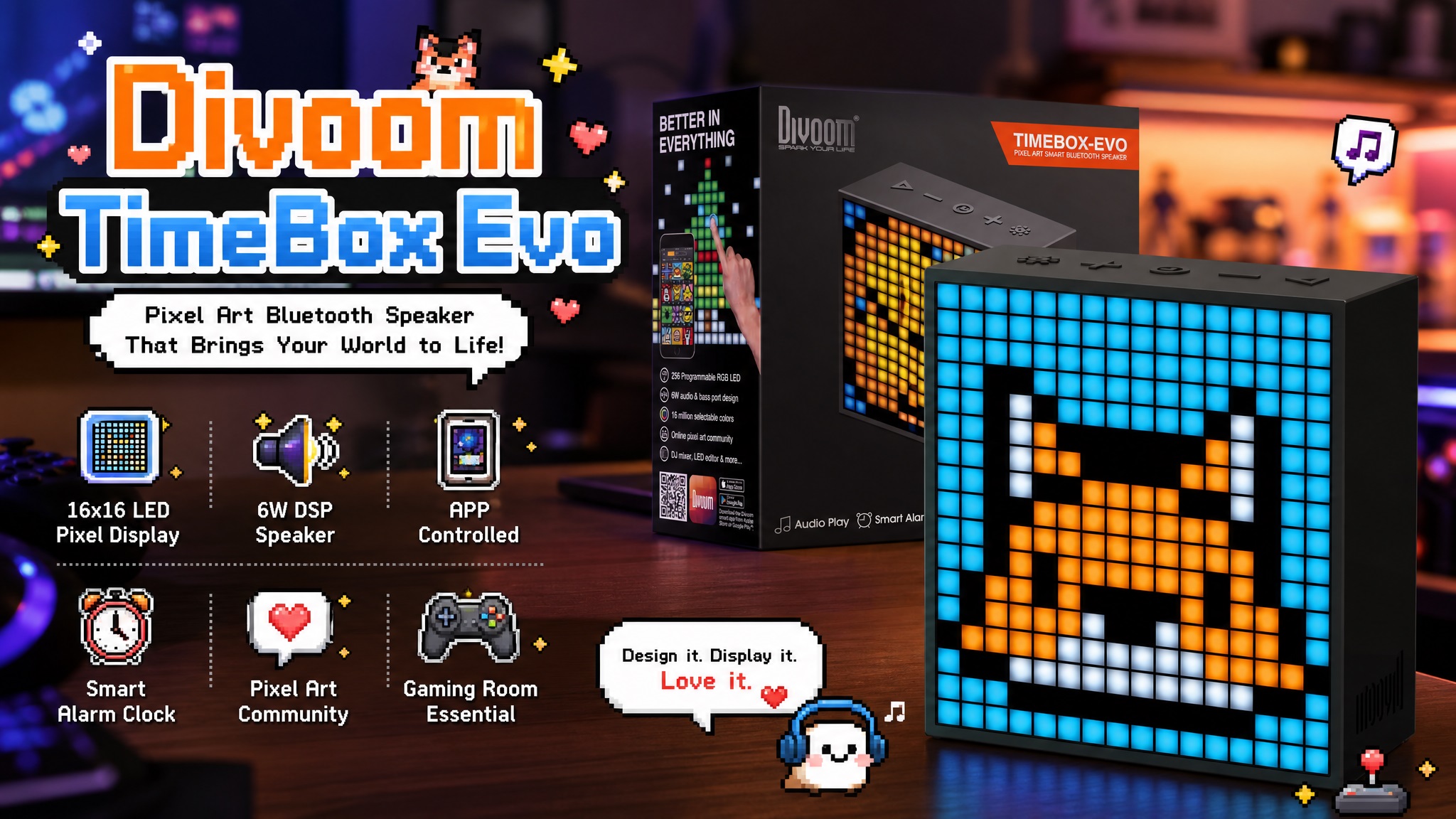
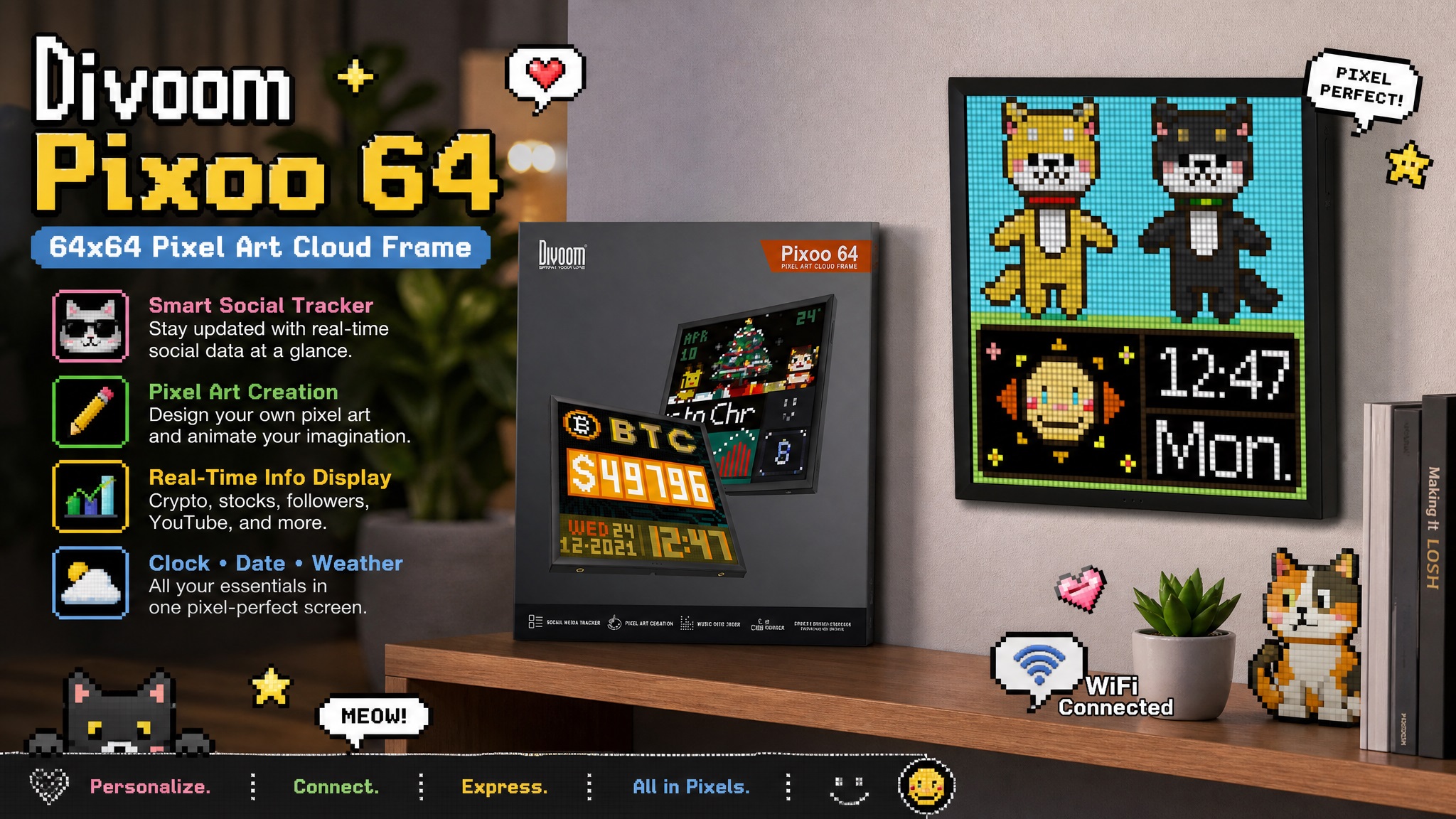
What stands out about Divoom products is how intentionally they’re designed to invite interaction. The pixel grids aren’t just pre-programmed gimmicks—they’re editable canvases. Through companion apps, users can create their own animations, icons, or even scrolling messages.
This opens up a surprising range of uses. Some people design daily reminders or motivational phrases. Others sync animations with music, turning a simple listening session into a visual experience. It’s a small detail, but it changes how you engage with the device.
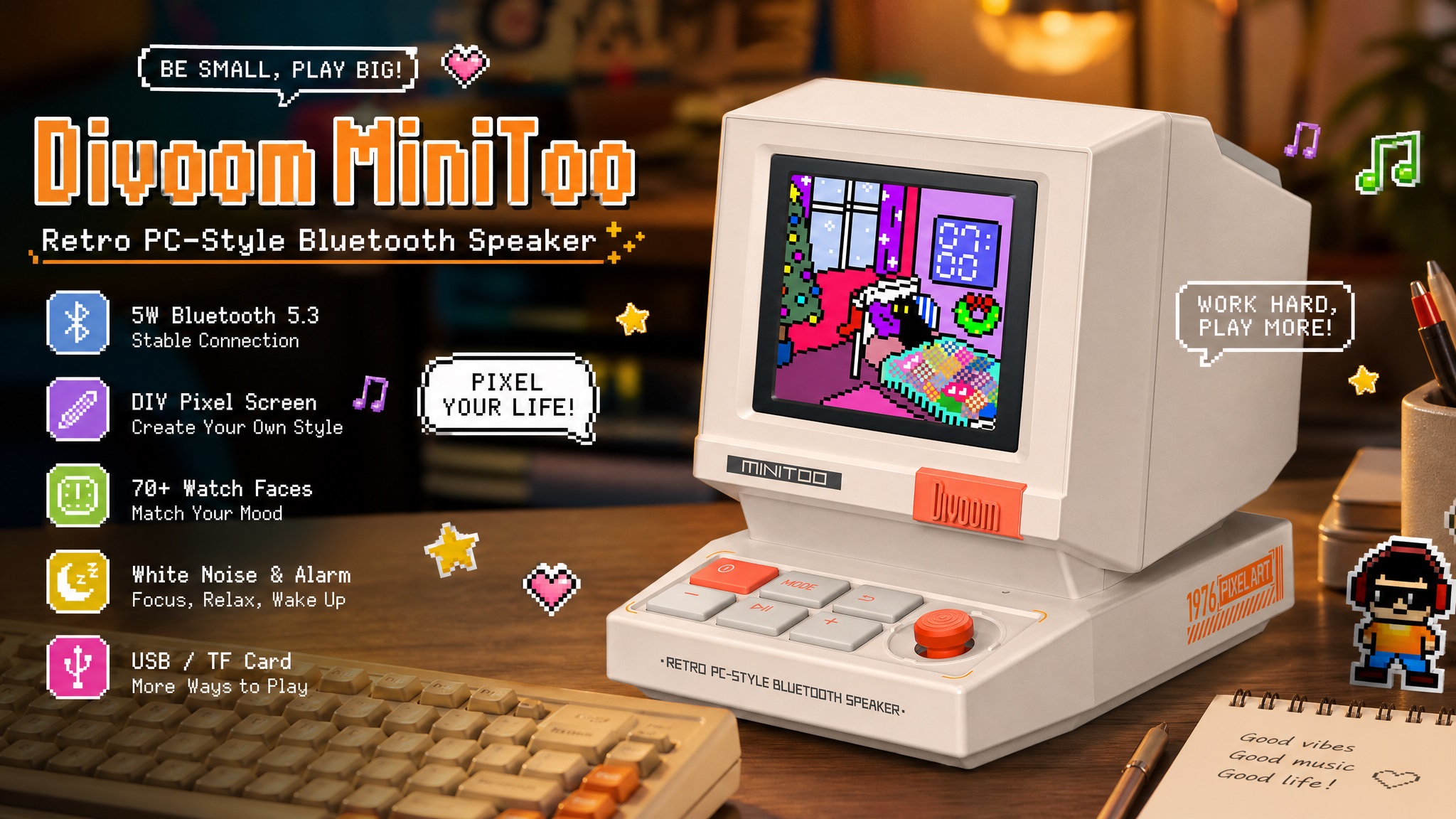
And then there’s the tactile aspect. Many of these devices include physical buttons or knobs, adding a satisfying analog feel that balances the digital display. It’s a reminder that good design isn’t just about what you see—it’s also about how something feels to use.
Not Just a Gimmick: Sound Quality Matters
It would be easy to assume that a visually driven product might compromise on audio, but that’s not really the case here. Divoom speakers are designed to deliver clear, balanced sound for their size. They’re not trying to replace high-end studio monitors, but they’re more than capable for everyday listening.
Whether you’re streaming playlists, catching up on podcasts, or setting background music for your workspace, the sound profile tends to be warm and approachable. It’s the kind of audio that works well across genres without demanding constant adjustment.
Portability is another factor. Many models are compact enough to move from desk to kitchen to bedside without a second thought. That flexibility makes them feel less like a fixed appliance and more like a companion device.
A Smart Display in Disguise
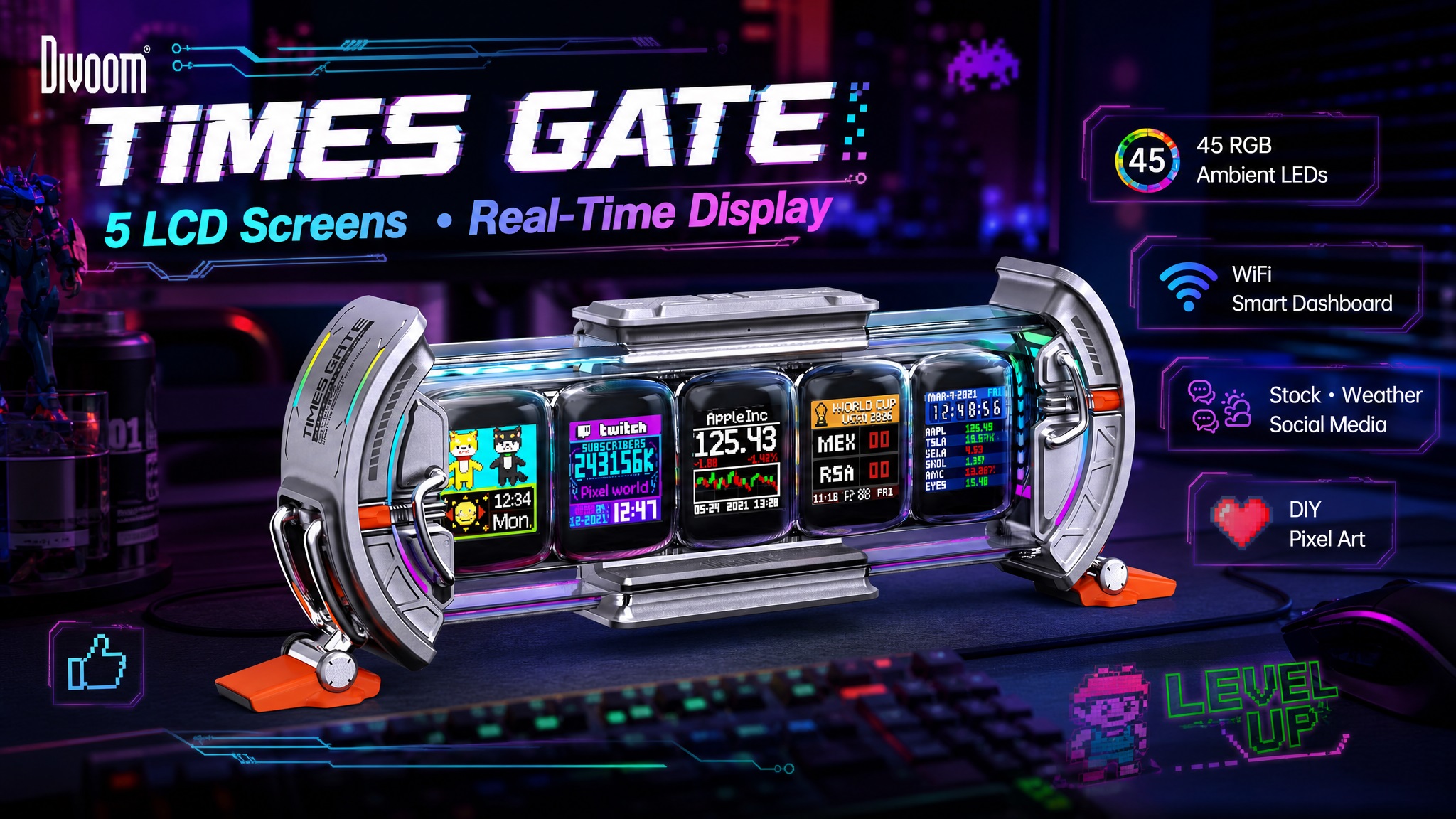
One of the more interesting aspects of Divoom devices is how they quietly function as smart displays. Beyond pixel art, they can show time, weather updates, or simple alerts. It’s not meant to replace a full smart home hub, but it adds a layer of usefulness that you might not expect from a speaker.
For people who prefer a less intrusive tech presence, this is a subtle advantage. Instead of a bright, always-on screen competing for attention, you get a softer, more customizable display that blends into your environment.
There’s also something charming about receiving a notification in pixel form. It feels less clinical, more human—like your device is communicating with personality rather than just delivering information.
The Charm of Low-Fidelity in a High-Res World
In an era where we are constantly bombarded by 4K displays and hyper-realistic graphics, the chunky, low-fidelity nature of pixel art offers a visual sigh of relief. It requires our brains to fill in the gaps, subtly engaging our imagination in a way that polished modern interfaces do not. This deliberate simplicity acts as a powerful antidote to digital fatigue. It doesn’t demand to be read or intensely scrutinized; rather, it offers a comforting, retro aesthetic that feels both nostalgic and universally charming.
A Step Toward Mindful Technology
Most of our modern devices—smartphones, tablets, monitors—are engineered to capture and hold our attention, often leading to endless scrolling and screen fatigue. Divoom devices offer a rare alternative: technology designed to be glanced at, not stared at.
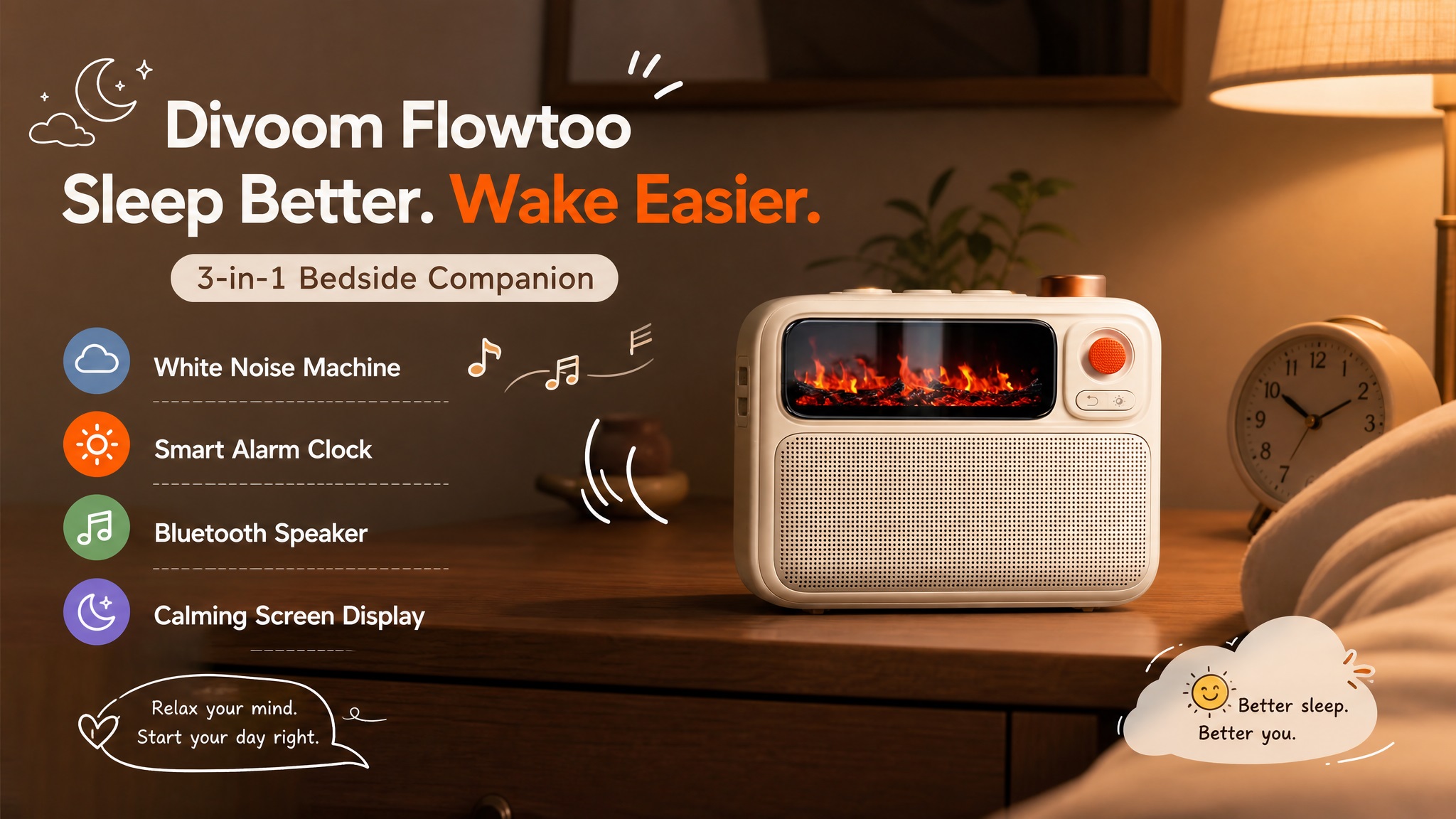
By providing just enough visual stimulation—a dancing equalizer, a flickering pixel fireplace, or a simple coffee cup icon—it keeps you entertained without demanding your full cognitive load. It delivers a sense of digital companionship while helping you maintain a healthy boundary with your screens, representing a small but meaningful step toward mindful technology consumption.
Creative Communities and Shared Designs
Another dimension worth mentioning is the community aspect. Users of Divoom products often share their pixel art creations, from simple icons to surprisingly detailed animations. This creates a kind of informal ecosystem where inspiration flows between users.
If you’re not particularly artistic, you can still benefit from this. Pre-made designs are widely available, allowing you to refresh your display whenever you feel like it. And if you are creatively inclined, the platform becomes a playground for experimentation.
It’s a subtle but meaningful shift—from owning a static device to participating in something more dynamic. Your speaker evolves over time, reflecting your tastes, moods, and even seasonal changes.
Fits Into Different Lifestyles
What makes Divoom particularly interesting is how adaptable their products are. They don’t cater to just one type of user. Instead, they fit into a range of lifestyles in ways that feel organic rather than forced.
For students, these devices can double as desk companions—playing music while displaying reminders or timers. For remote workers, they add a touch of personality to otherwise utilitarian setups. For gamers, they integrate seamlessly into RGB-lit environments, adding another layer of visual interest.
Even in more relaxed settings, like a bedroom or living room, they work as ambient devices. A soft animation paired with gentle music can create a surprisingly calming atmosphere.
This versatility is part of what makes them appealing. You’re not buying a single-purpose gadget; you’re investing in something that can adapt as your needs and preferences change.
Balancing Playfulness and Practicality
One of the challenges with creative tech products is striking the right balance between fun and function. Lean too far into novelty, and the device risks becoming a short-lived curiosity. Focus too much on practicality, and you lose the charm that makes it unique.
Divoom manages to walk that line fairly well. The playful elements—the pixel art, the customizable animations—are supported by genuinely useful features like Bluetooth connectivity, app integration, and decent battery life.
This balance is what keeps the devices relevant beyond the initial excitement. They’re enjoyable to use, but they’re also reliable enough to become part of your daily routine.
And perhaps that’s the real appeal. These aren’t just gadgets you show off once and forget about. They’re objects you interact with regularly, in small but meaningful ways.
A Subtle Shift in How We Think About Devices
There’s a broader trend reflected in products like those from Divoom. Technology is becoming more personal, more expressive, and more integrated into our environments. Devices are no longer just tools—they’re extensions of how we present ourselves and shape our spaces.
In that sense, a pixel art speaker might seem like a small thing. But it represents a shift toward technology that feels less rigid and more adaptable. It invites creativity, encourages interaction, and adds a layer of personality to everyday life.
And in a world where so many devices look and function the same, that kind of individuality stands out.
If you’re someone who values both form and function—who wants your tech to do more than just work—then exploring what Divoom offers might be worth your time. Not because it’s revolutionary in a traditional sense, but because it quietly redefines what a simple speaker can be.
The Ultimate Universal Gift
Navigating the consumer electronics market for a gift is notoriously difficult; you usually have to worry about ecosystem compatibility, technical specs, and subjective tastes. However, the pixel art speaker bypasses these hurdles almost entirely.
Because it leans so heavily into personalization and aesthetic charm, it appeals across generations and interests. It serves as a quirky piece of interactive décor for a design enthusiast, a functional desktop companion for a remote worker, and a fun, customizable toy for a younger demographic. In a world of rigid gadgets, a device that molds itself to the user’s personality makes for a uniquely thoughtful gift.