For decades, protecting a home from insects and rodents has meant accepting an unpleasant trade-off. Homeowners could either tolerate the occasional invader or bring chemical sprays, baits, and fumigants into the spaces where their families lived, slept, and ate. That compromise no longer feels necessary. Across the country, a growing number of households are discovering that plant-based alternatives can deliver real results without the lingering residue, harsh odors, or safety concerns that come with conventional pesticides. At the forefront of that shift is Mighty Mint, an Amazon-based brand that has built its entire identity around one simple idea: peppermint oil, used thoughtfully, can be a powerful ally in keeping unwanted pests outside where they belong.
Mighty Mint is not a generic marketplace label. It is a focused pest control brand whose entire product line revolves around a single, recognizable ingredient. Rather than blending dozens of actives into complicated formulas, the company has placed US-farmed peppermint oil at the center of its formulations. That choice is more than a marketing angle. It reflects a broader consumer movement that favors transparency, simplicity, and ingredients that people can actually pronounce. The brand’s storefront speaks in plain language: effective, natural, safe. Those three words may sound modest, but together they represent a meaningful departure from how the pest control industry has traditionally communicated with homeowners.
What makes Mighty Mint worth understanding is not just what it sells, but what it represents. The brand has tapped into a timely cultural moment. Parents are reading labels more carefully. Pet owners are asking whether the products they spray on floors and baseboards could harm their animals. Renters and new homeowners want solutions they can apply themselves without scheduling expensive service visits. Gardeners want to protect their outdoor spaces without contaminating pollinators or soil biology. In each case, the same question keeps surfacing: is there a cleaner way to do this? Mighty Mint’s answer is yes, and it has organized its product range to address the most common scenarios where that question arises.
This article takes a closer look at the Mighty Mint brand, the thinking behind its peppermint-powered approach, and why its products have found a receptive audience among people who want their homes protected but not poisoned. The goal is not to repeat product descriptions or manufacturer claims. It is to examine the larger idea that the brand embodies: that pest control can be straightforward, botanical, and genuinely effective when it is built around a well-chosen active ingredient and applied with a little common sense.
The New Logic of Home Pest Defense
The traditional pest control narrative has always leaned on fear. Commercials show armies of ants streaming across kitchen counters, spiders dropping from ceilings, and rodents chewing through walls while a narrator warns of the damage they can cause. The implied solution is a chemical assault strong enough to stop the invasion, even if that means temporarily evacuating rooms, sealing off areas, or keeping children and pets away until the fumes dissipate. That approach has worked for a long time, but it has also created a lingering discomfort. People began to wonder whether the cure was, in some ways, worse than the problem.
The rise of natural pest control reflects a different starting point. Instead of asking how aggressively a pest can be eliminated, many consumers are now asking how a home can be made inhospitable to pests in the first place. That shift moves the focus from extermination to deterrence, and from chemical potency to environmental design. It also opens the door to ingredients that repel rather than kill, which is exactly where peppermint oil enters the conversation. A deterrent-based approach does not require the same safety margins as a neurotoxic pesticide. It can be used more frequently, in more places, and with far less worry about exposure.
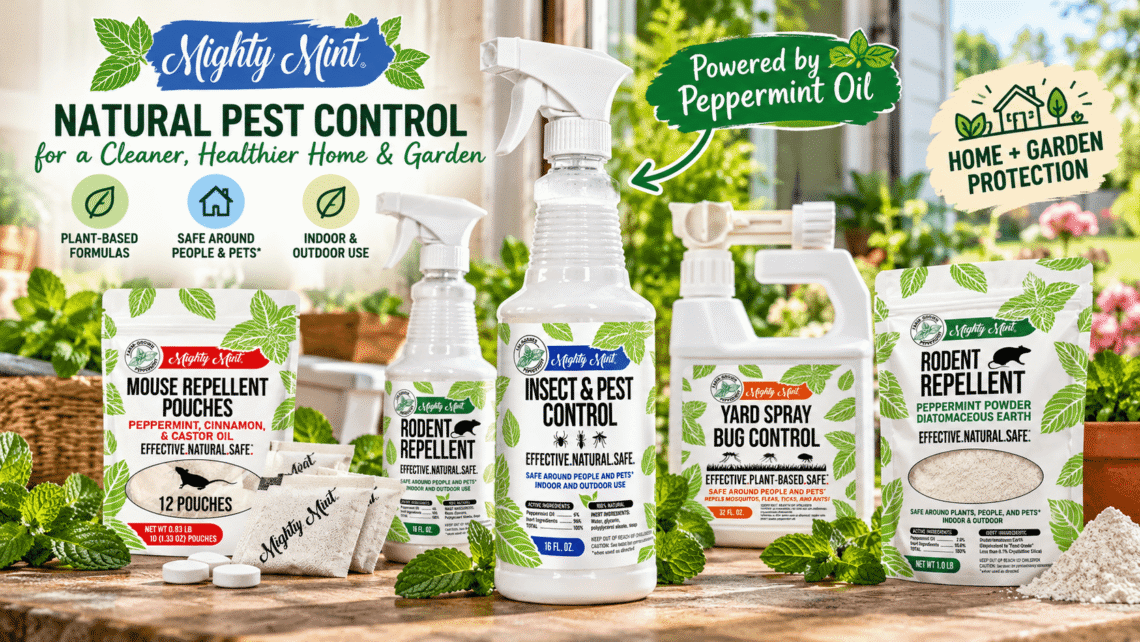
Mighty Mint has positioned itself squarely within this new logic. Its products are not designed for professional exterminators carrying certification badges and respirators. They are designed for ordinary people who notice a problem and want to handle it before it gets worse. A line of ants near the back door, a spider web in the corner of the garage, the telltale signs that mice have found their way into the basement: these are the everyday situations the brand speaks to. By offering sprays, pouches, and yard-ready formulas that all share the same peppermint foundation, Mighty Mint makes it easy for customers to build a consistent pest defense routine across multiple zones of the home.
The simplicity is strategic. When a product line is built around one recognizable ingredient, consumers do not have to become amateur chemists to understand what they are buying. They do not need to cross-reference active compounds or decode signal words on the label. They can make a straightforward judgment: do I trust peppermint oil as a repellent, and does this brand source it responsibly? Mighty Mint’s emphasis on US-farmed peppermint oil addresses both parts of that question. It signals botanical credibility while also appealing to buyers who prefer domestically sourced ingredients.
Why Peppermint Oil Deserves Serious Attention
Peppermint oil is often associated with candy canes, toothpaste, and herbal teas, which can make it seem too gentle to handle a pest problem. That impression is misleading. In the world of natural pest management, peppermint oil is one of the most studied and widely used botanical repellents available. Its effectiveness comes from a combination of volatile compounds, including menthol and menthone, that produce an intense aroma. To humans, that aroma is fresh and invigorating. To many insects and rodents, it is overwhelming, disorienting, and deeply unwelcome.
The science behind peppermint oil as a repellent is well documented. Many pests navigate their environment using scent trails and olfactory cues. Ants lay down pheromone highways so other members of the colony can follow them to food. Rodents use scent markings to identify safe routes and nesting areas. Spiders rely on chemical signals to evaluate whether a corner is a good place to build a web. When peppermint oil is introduced into these environments, it does not necessarily kill the pest. Instead, it scrambles the sensory information that the pest depends on. Trails become unreadable, spaces feel threatening, and the pest’s survival instinct tells it to go elsewhere.
This mode of action is fundamentally different from conventional insecticides, which often work by disrupting the nervous system. There are legitimate situations where a fast-acting chemical pesticide may be necessary, particularly in cases of severe infestation or public health concern. But for routine preventive maintenance and early-stage problems, a repellent approach can be entirely sufficient. It also carries a significant safety advantage. Because peppermint oil works by overwhelming the pest’s sense of smell rather than attacking its biology, products based on it can be formulated at concentrations that are unpleasant to pests but harmless to people and pets when used as directed.
The United States Environmental Protection Agency has recognized certain peppermint-oil-based formulations as minimum-risk pesticides, a category reserved for products that meet strict criteria regarding active and inert ingredients. That designation matters because it gives consumers an independent signal that a product has been evaluated through a regulatory lens and found acceptable for lower-risk applications. It does not mean peppermint oil will solve every pest problem, but it does confirm that the ingredient has a legitimate place in the pest control toolkit.
Mighty Mint’s decision to make peppermint oil its signature ingredient is therefore not a novelty. It is a calculated bet that many households would rather manage pests with a botanical tool they understand than with a synthetic chemical they do not. The brand reinforces that bet through its packaging and messaging, which consistently highlight the freshness of the scent and the simplicity of the formula. The result is a product experience that feels less like deploying a pesticide and more like refreshing the home.
What Mighty Mint Actually Offers
A quick look at the Mighty Mint storefront reveals a product range that is deliberately focused. The brand does not try to be everything to everyone. Instead, it has developed a manageable collection of formats designed for the most common pest encounters in and around a typical home. This restraint is one of its strengths. Customers are not paralyzed by dozens of overlapping SKUs. They can identify their situation and choose a product shape that matches it.
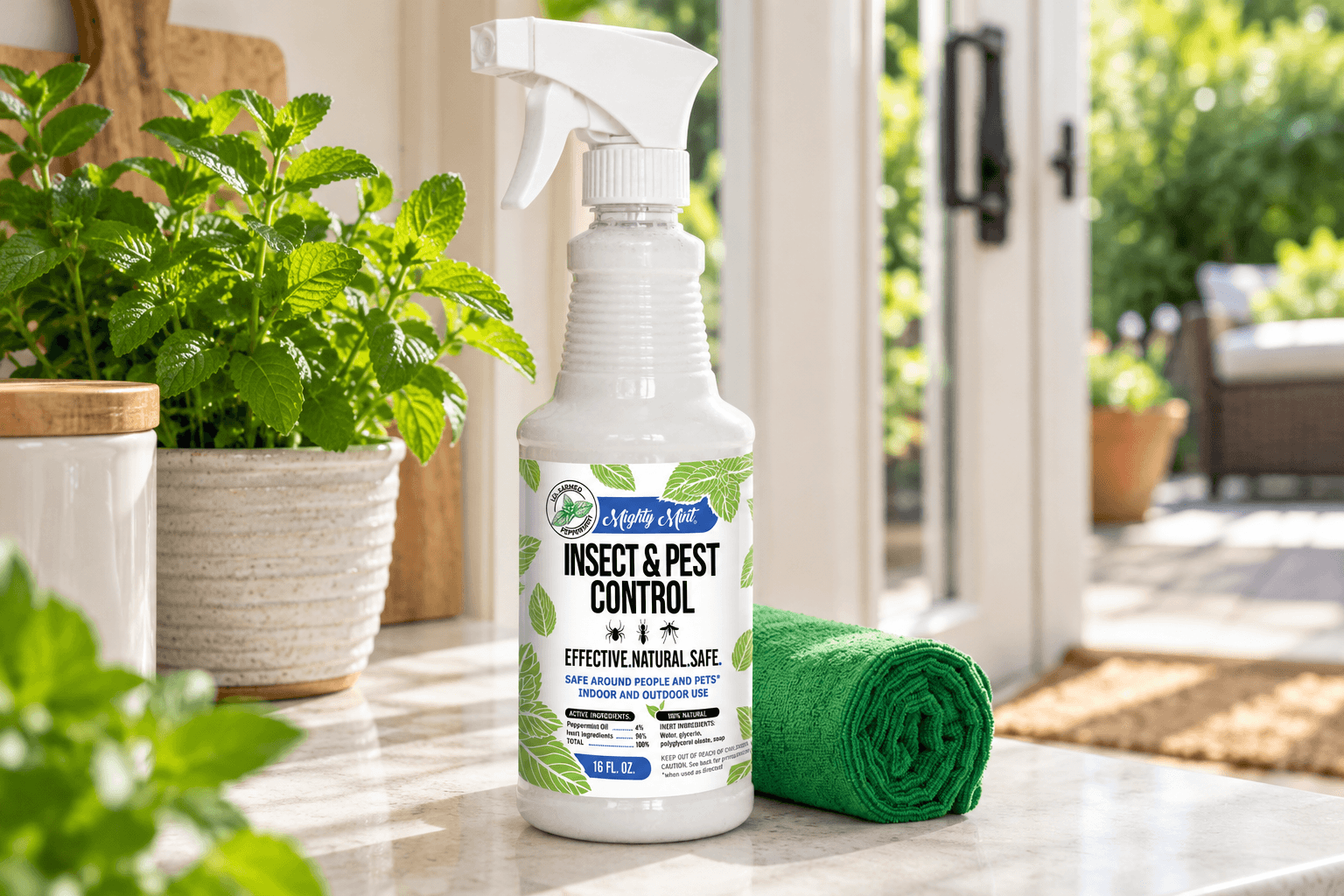
The indoor insect and pest control spray is arguably the anchor of the line. It is a ready-to-use spray bottle designed for application along baseboards, window sills, door frames, and other entry points where insects might cross into living spaces. Because the formula relies on peppermint oil, it leaves behind a crisp, clean scent rather than the chemical fog associated with older pest control products. For many users, that scent is part of the appeal. It signals that something active has been applied, and it makes the treated area smell intentionally fresh.
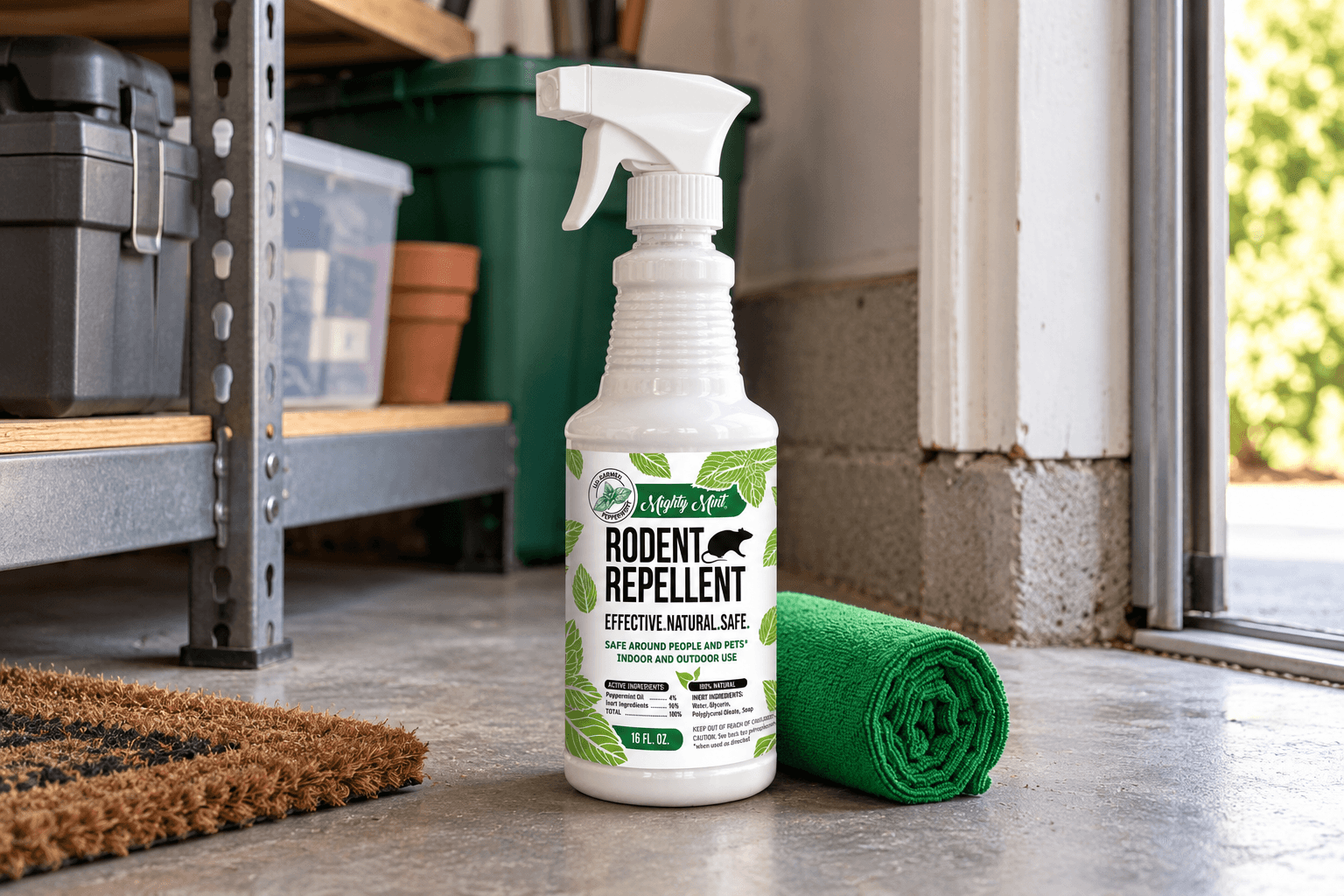
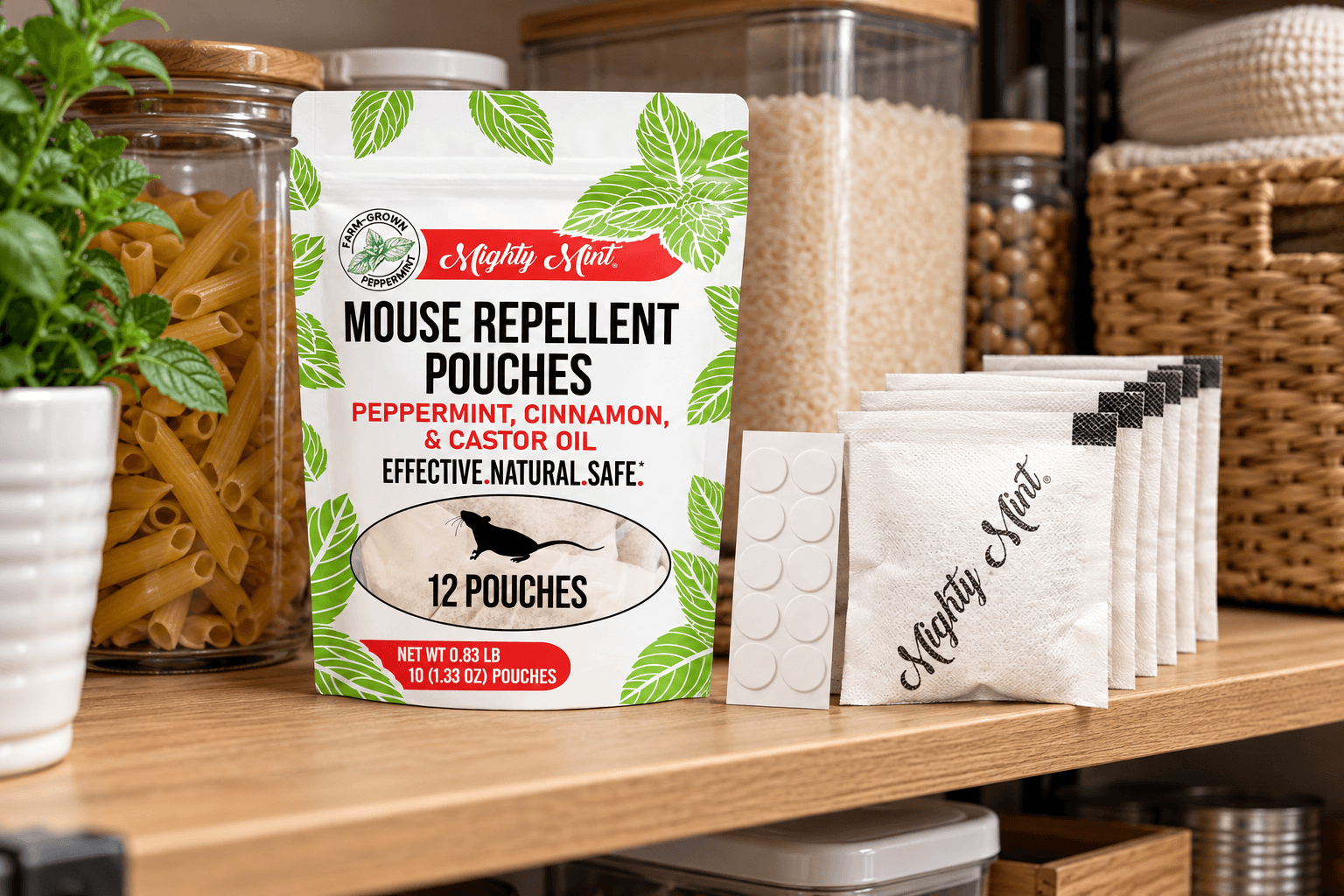
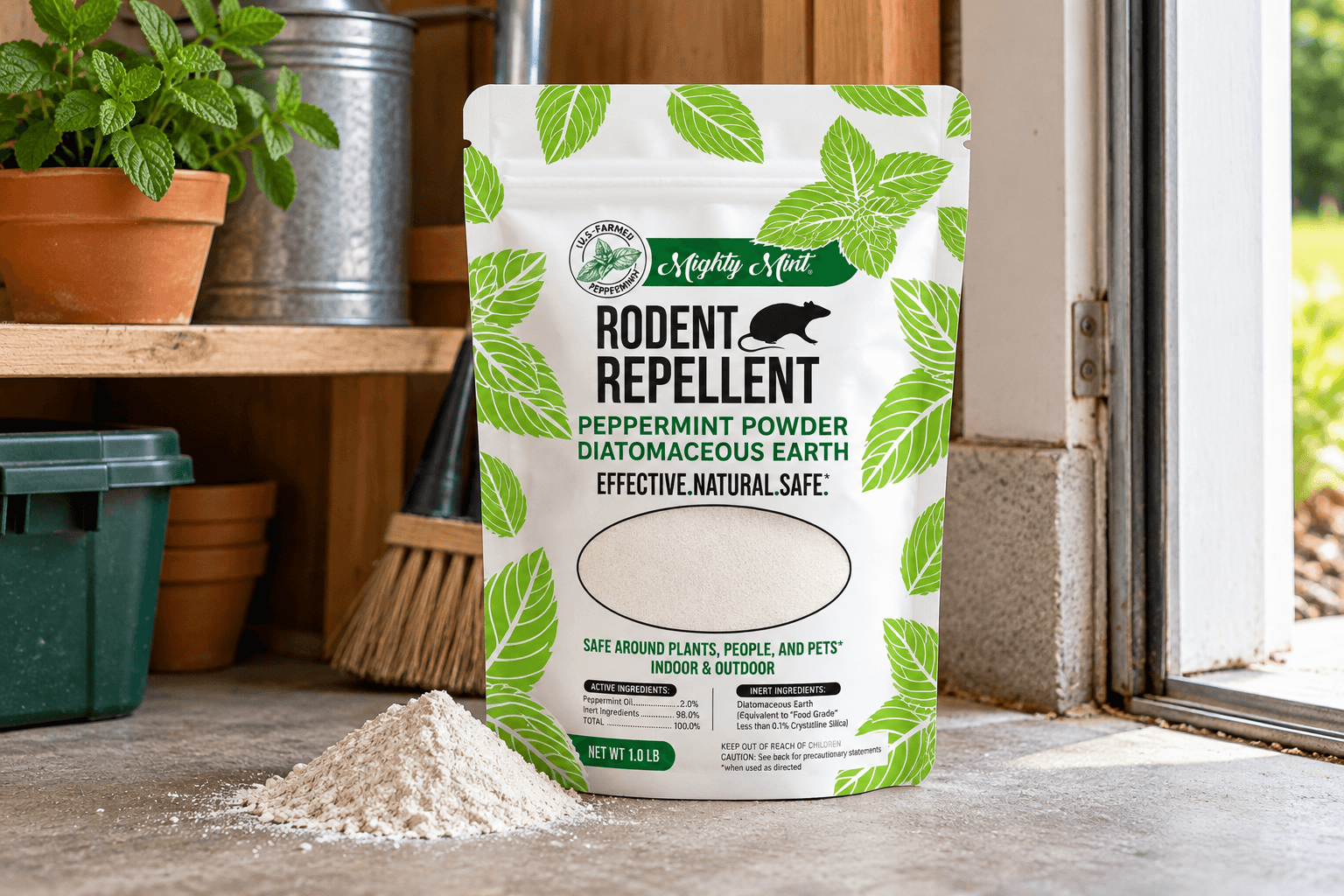
For rodents, Mighty Mint offers repellent sprays and pouches. Rodent problems carry a particular emotional weight. Mice and rats can cause property damage, contaminate food storage areas, and trigger genuine anxiety for homeowners. The pouches are especially useful in enclosed spaces such as closets, attics, basements, storage bins, and vehicles, where they can provide a long-lasting scent barrier without requiring repeated spraying. The spray format, meanwhile, allows users to treat larger perimeters and create protective boundaries around garages, sheds, and foundation gaps.
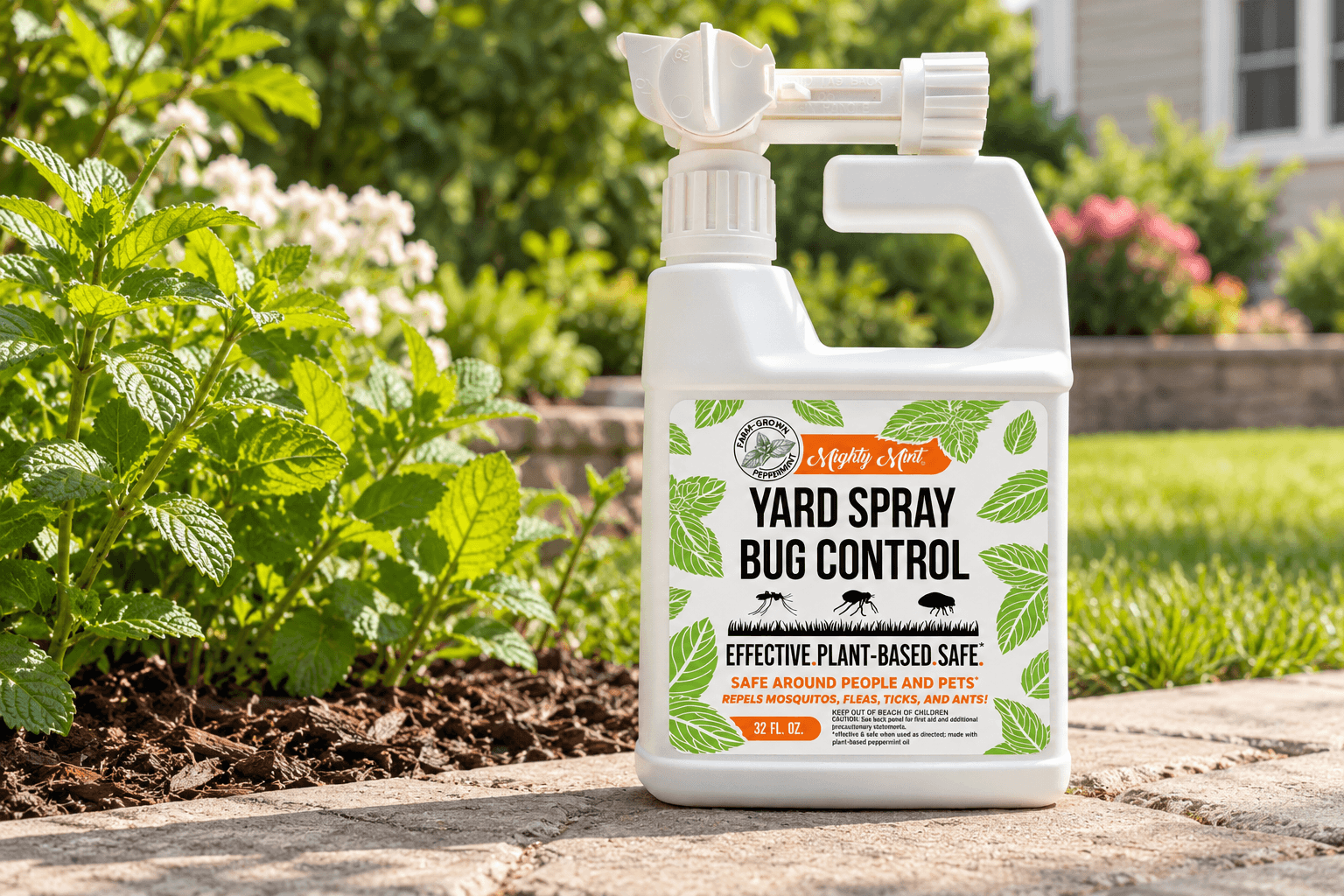
Outdoor pest management is addressed through yard spray options, including formulations that can be attached to a garden hose for broad application. This is where many conventional pest control routines fall short. Homeowners may treat the inside of the house thoroughly while ignoring the yard that serves as the pest reservoir. By offering an outdoor product that uses the same peppermint foundation, Mighty Mint encourages a more integrated approach. Treating the perimeter and yard reduces the number of pests that ever reach the threshold, which in turn reduces the need for indoor intervention.
The brand also offers variations such as concentrated formulas and value-sized bottles, giving repeat customers options that match different household sizes and usage frequencies. Rather than forcing everyone into a one-size-fits-all container, Mighty Mint has built enough flexibility into its catalog to serve casual users and committed natural-home advocates alike.
A Practical Routine for Plant-Based Protection
One of the most common mistakes people make with natural pest control is treating it like a one-time event. They spray once, expect every bug in the house to vanish permanently, and then feel disappointed when a few stragglers reappear weeks later. The reality is that peppermint oil, like most botanical repellents, works best as part of a maintenance routine. Its protection is real, but it is not indefinite. Scent barriers fade as oils evaporate, which means reapplication is necessary to keep the deterrent effect strong.
Mighty Mint’s product formats make this routine easier to maintain. A practical approach might start with a perimeter treatment around the home’s exterior using the yard or outdoor spray. Foundation cracks, window wells, porch steps, and door thresholds are all logical targets. Inside, the ready-to-use spray can be applied along baseboards, under sinks, behind appliances, and in corners where webs tend to form. Pouches can then be placed in storage areas, under sinks, in cabinets, and in vehicles to provide background protection between more active applications.
The key is consistency rather than intensity. A light, regular application will generally outperform an occasional heavy dousing. Homeowners who adopt this mindset often find that pest pressure drops noticeably within the first few weeks and remains low as long as the routine continues. It also helps to combine scent-based deterrence with basic exclusion practices. Sealing cracks, repairing screens, storing food in sealed containers, and reducing standing water all reduce the reasons pests have to enter in the first place. Mighty Mint’s products become even more effective when they are part of a broader home maintenance strategy.
For rodent issues specifically, placement matters more than volume. Mice are territorial creatures that prefer to move along walls and avoid open spaces. A peppermint pouch placed in a corner or near a suspected entry point is more useful than one tossed randomly into the middle of a room. Similarly, spray should be directed at baseboards, gaps around pipes, and the undersides of cabinets where rodents are likely to travel. The goal is to interrupt their routes, not to perfume the entire house.
Safety as a Selling Point, Not an Afterthought
Safety has become one of the most important factors in consumer purchasing decisions for home care products. Parents want to know whether a spray applied in the kitchen could endanger a toddler crawling on the floor. Pet owners worry about cats walking across treated surfaces and then grooming their paws. People with asthma or scent sensitivities are cautious about products that introduce strong fumes into enclosed rooms. Mighty Mint’s peppermint-based approach addresses these concerns in a way that conventional chemical pesticides often cannot.
Because the products are formulated around a botanical active ingredient, they avoid many of the warning labels and precautionary statements that accompany synthetic pesticides. There is no need to vacate the house after application, no requirement to remove food from countertops, and no lingering chemical odor that makes a room unusable for hours. Users can treat a problem area and continue using the space shortly afterward. This convenience factor should not be underestimated. It lowers the barrier to regular use, which is exactly what makes preventive pest control effective.
The US-farmed sourcing angle also contributes to the brand’s safety story. Consumers are increasingly aware that not all essential oils are created equal. Oils sourced from regions with weaker agricultural oversight may carry inconsistencies in purity or concentration. By emphasizing domestic farming, Mighty Mint signals a level of supply-chain control that resonates with buyers who care about where their products come from. It is not merely a patriotic flourish; it is a quality claim.
That said, no product is risk-free. Peppermint oil is potent, and concentrated essential oils should always be used according to label directions. It should not be sprayed directly on skin, ingested, or applied around the eyes. Pet owners, especially those with cats, should be aware that cats metabolize essential oils differently than humans and may be more sensitive to concentrated scents. Reading the label and using the product as intended remains essential. Mighty Mint’s safety advantage comes from thoughtful formulation and responsible use, not from the assumption that natural means harmless.
The Bigger Market Context
Mighty Mint is operating in an industry that is undergoing a genuine transformation. The natural pest control market has been expanding rapidly, with projections suggesting it could reach roughly $22 billion globally by the early 2030s. Growth rates in the low double digits reflect more than a passing trend. They indicate a structural shift in consumer priorities. People are no longer willing to assume that effective pest control requires harsh chemicals. They are actively seeking alternatives, and they are willing to pay a premium for products that align with their values.
Several forces are driving this shift. Regulatory pressure on synthetic pesticides continues to increase in many jurisdictions. High-profile concerns about neonicotinoids, organophosphates, and other conventional actives have made consumers more skeptical of chemical-heavy approaches. At the same time, the rise of e-commerce has made it easier for niche brands to reach national audiences without the distribution advantages once held by mass-market giants. A brand like Mighty Mint can build a devoted customer base on Amazon by speaking directly to a specific set of concerns, rather than trying to appeal to every possible buyer through a supermarket shelf.
The COVID-19 pandemic also changed how people think about their homes. Spending more time indoors made households acutely aware of cleanliness, air quality, and the presence of unwanted intruders. Many people began re-evaluating the products they used and the ingredients they introduced into their living spaces. That re-evaluation benefited brands positioned at the intersection of effectiveness and wellness. Mighty Mint’s messaging, with its emphasis on natural ingredients and safety around families and pets, lands squarely in that space.
Within this larger context, Mighty Mint’s focused product strategy looks increasingly wise. Rather than chasing every pest control trend, the brand has doubled down on peppermint oil and built a coherent lineup around it. That focus makes the brand easier to understand, easier to trust, and easier to recommend. In a crowded marketplace, clarity is a competitive advantage.
Who Mighty Mint Makes Sense For
No single product works for every household, and Mighty Mint would be the first to acknowledge that severe infestations may require professional intervention. But for a wide swath of homeowners, renters, and property managers, the brand offers a sensible middle path. It is especially well suited to people who want to stay ahead of pest problems rather than react to them after they have spiraled out of control.
New homeowners often find the brand appealing because it allows them to establish a protective routine across an unfamiliar property. They may not yet know where the ants enter every spring or which corners of the basement attract spiders. A peppermint-based spray and pouch system gives them a low-risk way to explore those patterns without committing to a professional service contract. Renters, who are often prohibited from making structural changes or scheduling invasive treatments, appreciate the flexibility of a spray they can apply themselves and take with them when they move.
Pet owners represent another natural audience. The anxiety of using chemical pesticides around dogs and cats is real, and it leads many people to tolerate minor pest issues rather than risk exposing their animals to toxic residues. Mighty Mint’s plant-based formulations offer a middle ground. They allow pet owners to take action against pests while feeling more confident about the safety of the treated environment.
Families with young children are similarly motivated. Parents who have spent time baby-proofing cabinets, covering outlets, and choosing non-toxic cleaners are unlikely to feel comfortable spraying synthetic pesticides in nursery corners or playroom baseboards. A peppermint-based alternative fits the same value system. It extends the commitment to a cleaner home into the realm of pest control.
Gardeners and environmentally conscious consumers round out the audience. People who have invested in pollinator-friendly plants, compost systems, and organic soil do not want to undo that work by drenching their yard in synthetic chemicals. Mighty Mint’s outdoor options allow them to manage perimeter pests with an ingredient derived from a cultivated plant rather than a petroleum-derived synthetic.
The Experience of Using Mighty Mint
One of the subtler reasons for the brand’s appeal is the sensory experience it creates. Traditional pest control products often feel like a necessary evil. The user holds their breath, applies the treatment quickly, and then opens windows to air out the space. The smell lingers as an unpleasant reminder that something artificial has been introduced into the home. Mighty Mint flips that experience. The scent is bright, botanical, and immediately familiar. Applying the product feels more like refreshing a room than treating it.
That sensory difference matters because it changes behavior. People are more likely to reapply a product that smells pleasant. They are more likely to use it preventively rather than waiting until a situation becomes desperate. They are more likely to recommend it to friends because the experience of using it is positive rather than merely tolerable. In the world of consumer products, experience design is often as important as functional efficacy, and Mighty Mint has clearly thought about both.
The packaging reinforces this experience. Clean white bottles with green accents and mint leaf imagery communicate freshness before the user even sprays. The product names are straightforward. The instructions are accessible. Nothing about the presentation feels intimidating or industrial. This is pest control designed for a kitchen counter or a hallway closet, not a garage shelf next to motor oil and fertilizer.
Limitations and Honest Expectations
It would be irresponsible to suggest that peppermint oil is a magic solution for every pest situation. Mighty Mint’s products are best understood as tools for deterrence and prevention. They excel at creating an environment that pests prefer to avoid. They are less suited to eliminating an entrenched colony of thousands of ants, a severe cockroach infestation, or a full-blown rodent population that has already established nests inside walls. In those cases, targeted intervention by a licensed pest management professional may be necessary.
Even for routine use, expectations should be realistic. Peppermint oil repels many common pests, but not all of them with equal force. Some insects are more sensitive to it than others. Rodents may learn to tolerate or avoid treated areas rather than leaving the structure entirely. Results can vary based on application technique, frequency, ventilation, and the severity of the underlying problem. The most successful users are those who combine Mighty Mint products with good sanitation, exclusion, and regular monitoring.
The brand’s straightforward approach actually helps set expectations. It does not promise miracles. It offers a natural, peppermint-based alternative for people who want to manage pests without leaning on harsh chemicals. That honesty is refreshing in a category where marketing language often drifts toward the hyperbolic.
Why the Mighty Mint Story Resonates
At its core, Mighty Mint is selling more than pest control. It is selling a vision of domestic life where effectiveness and environmental consciousness are not opposing forces. That vision has broad appeal in a culture that is increasingly skeptical of false binaries. People do not want to choose between a pest-free home and a safe home. They want both, and they are looking for brands that can deliver both without asking them to compromise.
The brand also benefits from the simplicity of its narrative. In an age of information overload, a product that can be summarized in a single sentence has a real advantage. Mighty Mint uses peppermint oil to repel pests. That is the story. Every product, every label, every piece of imagery reinforces it. Customers do not need to read a white paper to understand the value proposition. They can grasp it instantly, and that instant comprehension builds trust.
Trust is the real currency of natural home care products. Consumers cannot independently verify every claim a brand makes. They rely on signals: ingredient transparency, sourcing information, consistent messaging, positive reviews, and a product experience that matches the promise. Mighty Mint has assembled enough of these signals to position itself as a credible option in a category where credibility is hard won.
Conclusion: Mighty Mint’s Established Presence in Pest Control
Mighty Mint represents a maturing chapter in the story of natural pest control. The brand has taken a single, well-understood botanical ingredient and built a coherent product ecosystem around it. Its sprays, pouches, and yard formulas give homeowners practical tools for deterring insects and rodents without introducing the hazards and discomforts of conventional pesticides. By emphasizing US-farmed peppermint oil and straightforward messaging, the brand speaks directly to modern concerns about safety, transparency, and environmental responsibility.
For anyone standing in front of a store shelf or scrolling through an Amazon storefront, trying to decide how to handle a pest issue, Mighty Mint offers a clear alternative. It is not the only solution, and it is not the right choice for every infestation. But for households that want to protect their space with a product that smells fresh, works through deterrence, and aligns with a cleaner approach to home care, it deserves serious consideration. The peppermint promise is simple: keep pests out, keep worries low, and keep the home feeling like home.