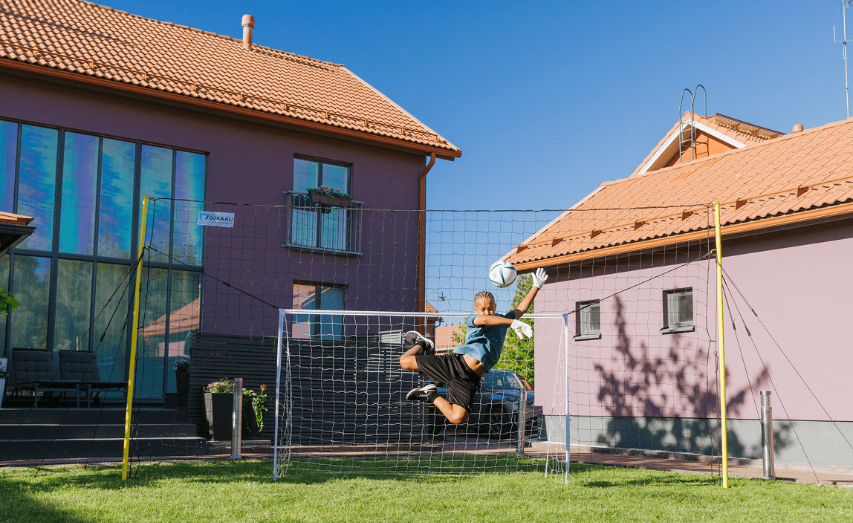
There’s something timeless about a backyard soccer goal—the sound of a clean strike, the rhythm of repetition, the quiet satisfaction of improvement. But anyone who has spent time training solo knows the downside: chasing balls. A lot of chasing balls. That’s exactly where the Open Goaaal soccer rebounder net steps in, quietly transforming how players practice at home.
What makes it stand out isn’t just convenience. It’s the way it rethinks the backyard as a training ground—less interruption, more touches, and a surprisingly professional feel in a casual setting.
Reimagining Backyard Training
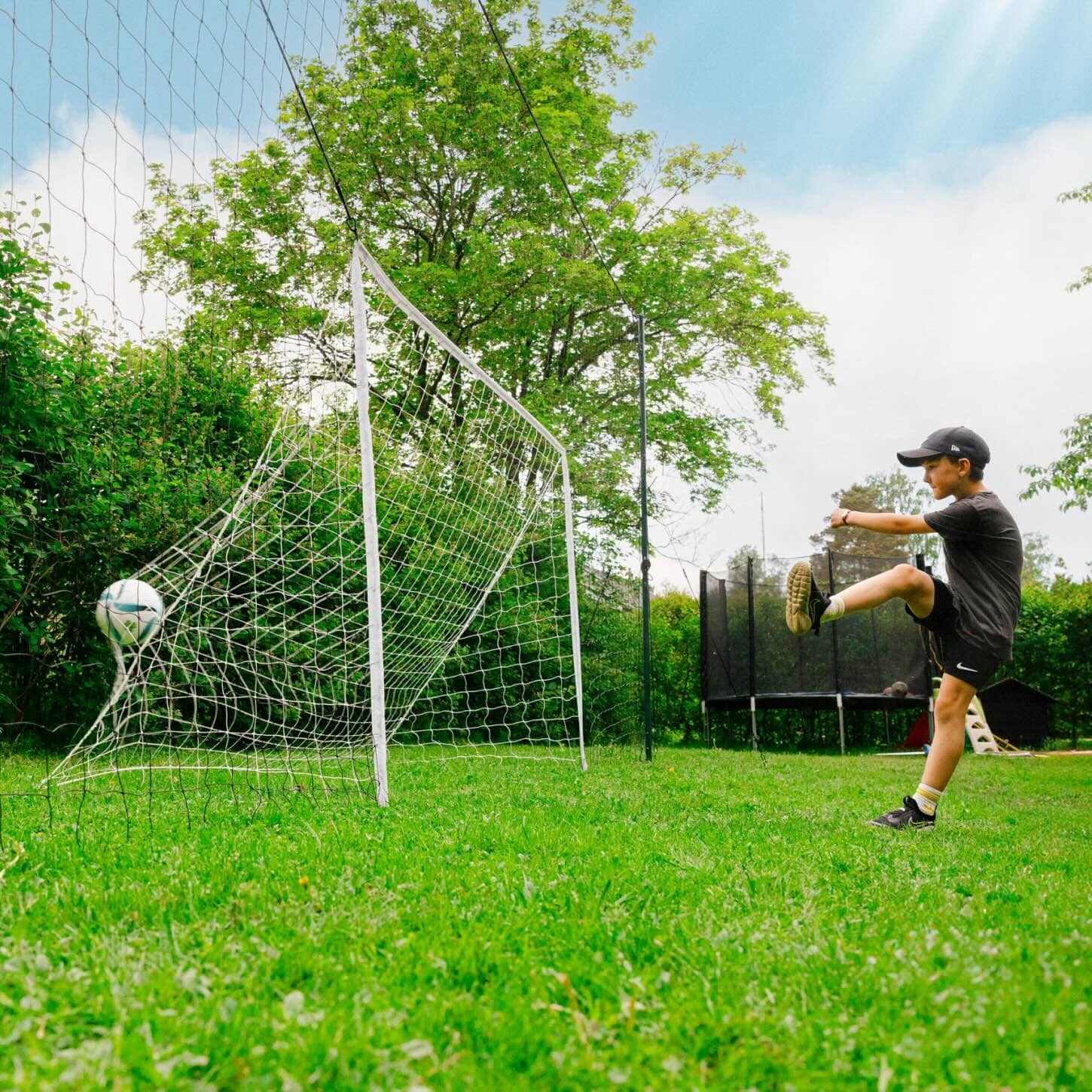
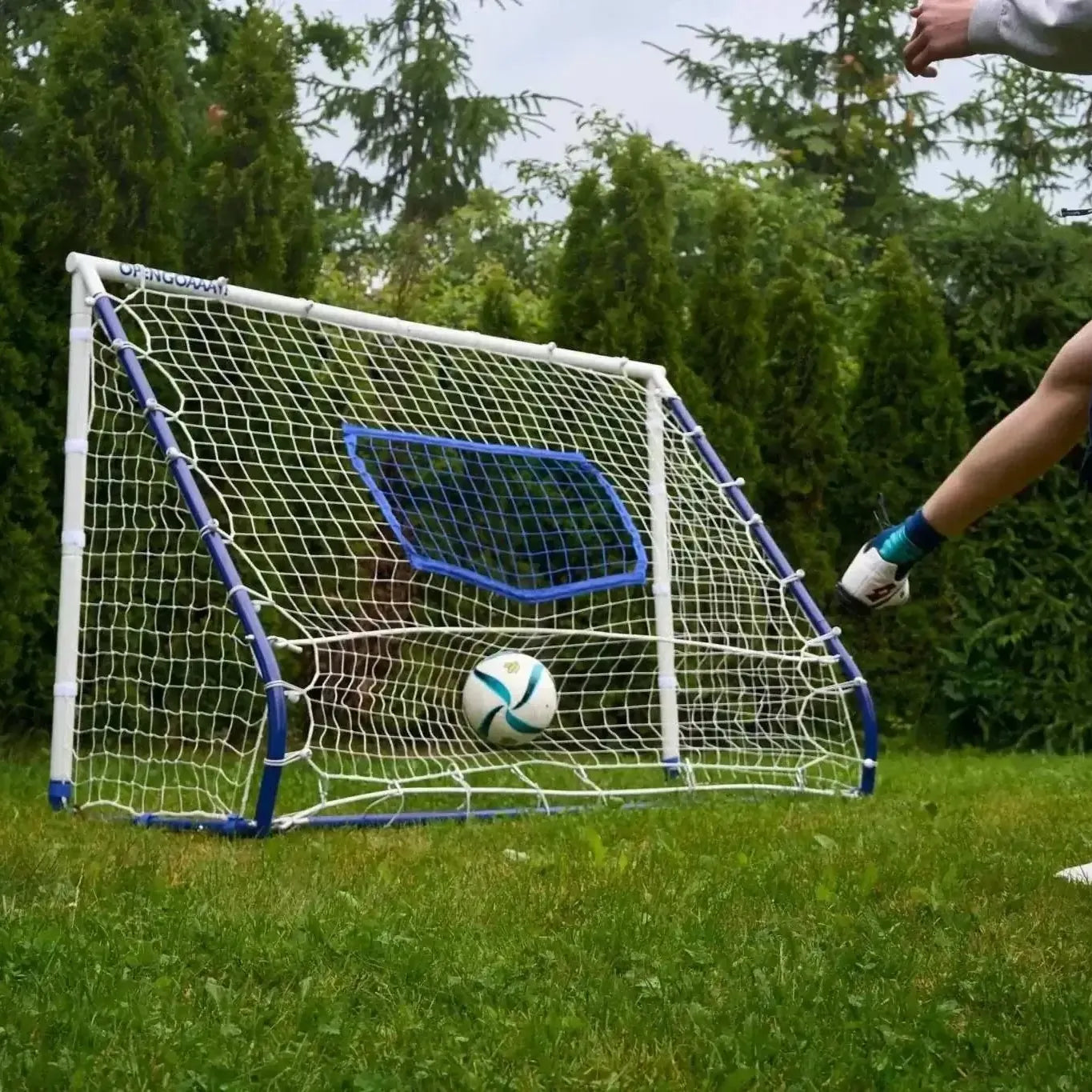
Traditional goals are simple: you shoot, you score (or miss), and then you retrieve. That rhythm works, but it’s inefficient. The Open Goaaal system combines a goal with an integrated rebound net that catches missed shots and returns them into play. It’s a subtle shift in design, but it changes everything about solo practice.
Instead of breaking your flow every few seconds, you stay in motion. You shoot, receive, adjust, and shoot again. Over time, that continuity builds muscle memory far more effectively than stop-and-go repetition.
For younger players especially, this can mean the difference between a quick 10-minute session and an hour of uninterrupted play. For older or more competitive athletes, it becomes a tool for refining technique without needing a partner.
A Setup That Feels Thoughtful, Not Complicated
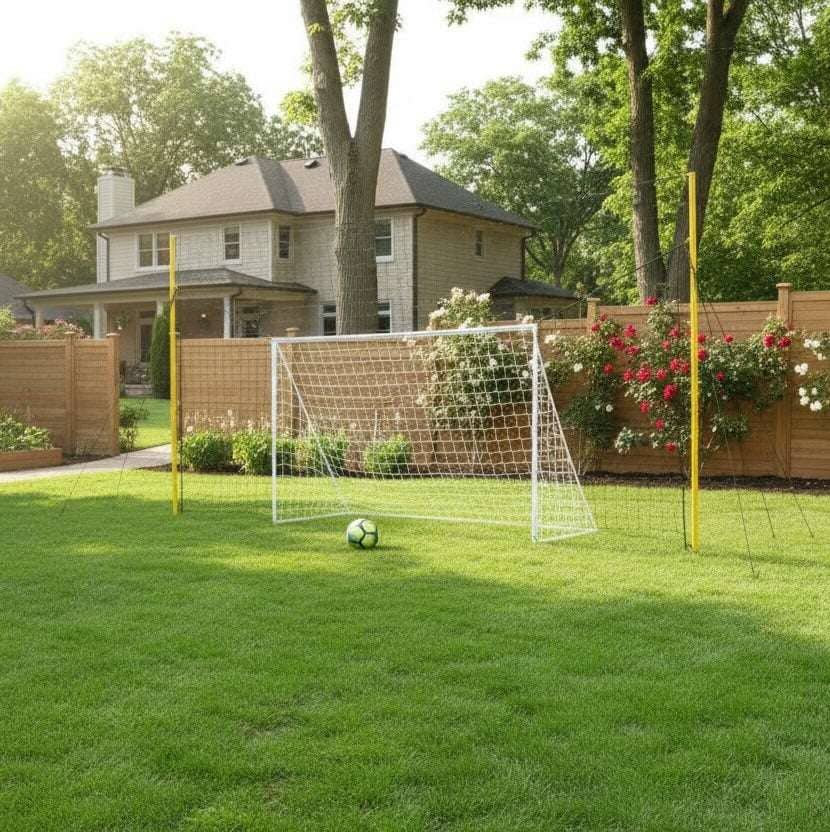
One of the concerns people often have with larger backyard equipment is setup. If it’s too complicated, it ends up unused. The Open Goaaal system manages to strike a balance—substantial enough to feel durable, but not overwhelming to assemble.
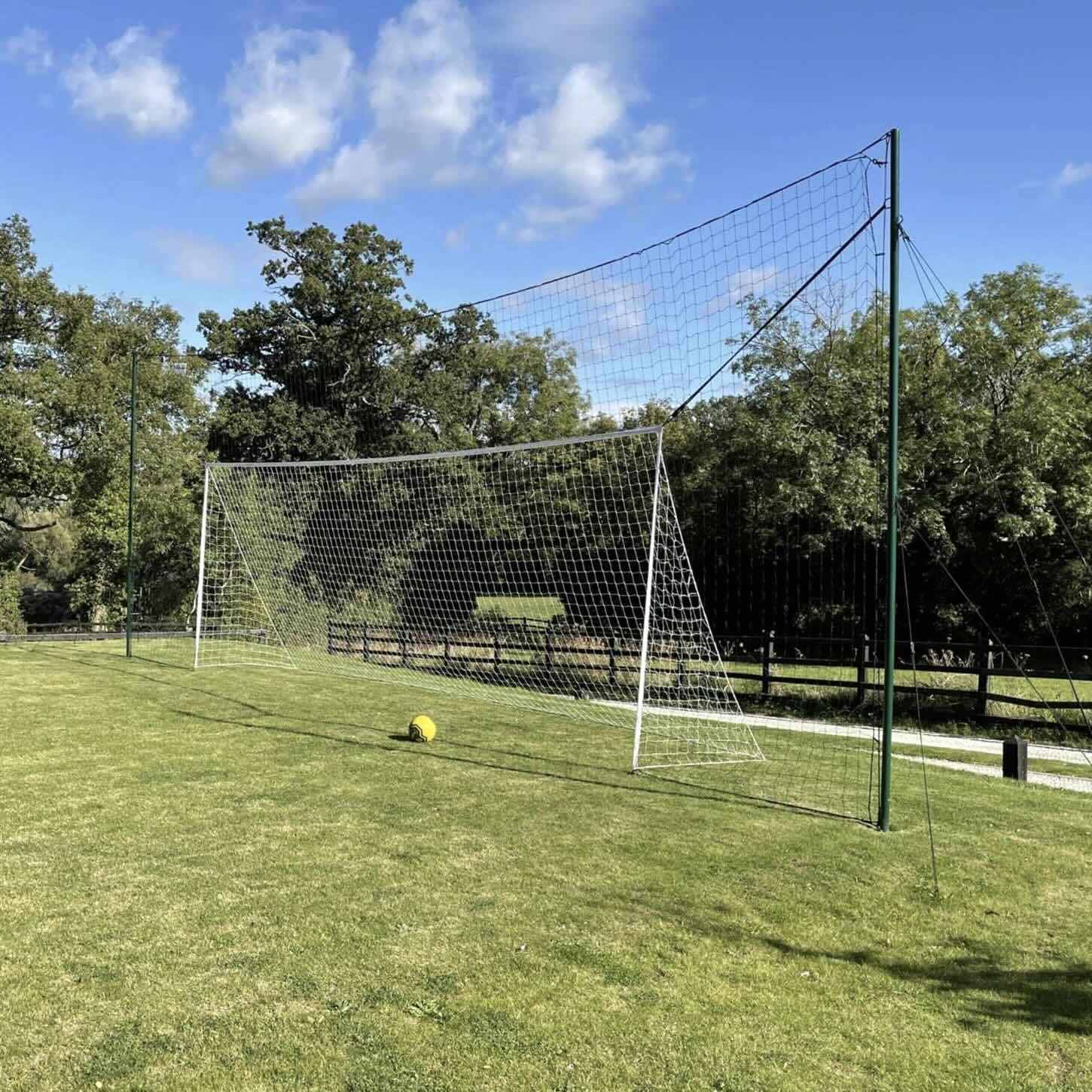
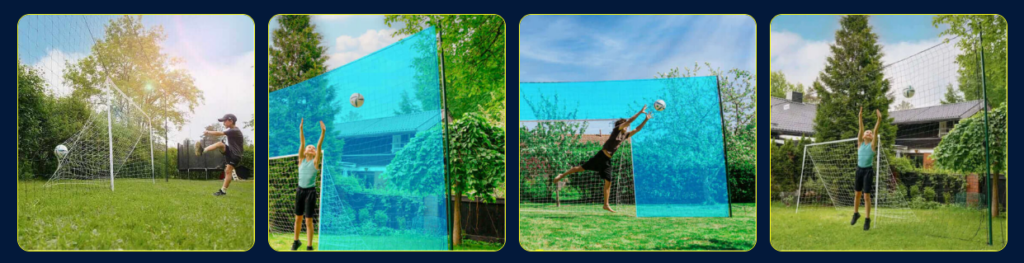
The frame anchors the structure, while the extended netting creates a wide capture zone behind the goal. This isn’t just about stopping balls from flying into the neighbor’s yard (though it certainly helps with that). It’s about creating a contained training environment.
Once installed, it becomes part of the backyard landscape. Not in a bulky, intrusive way—but in a way that invites spontaneous practice. You walk outside, see it, and instinctively take a few shots.
More Than a Goal: A Training Partner
Calling it just a “goal” undersells what it does. The rebound feature introduces a dynamic element that’s surprisingly versatile. Depending on how you strike the ball, it can come back at different angles and speeds, mimicking real-game unpredictability.
This opens up a range of training possibilities:
First-touch control after a rebound. Quick finishing drills. Passing accuracy against a target. Even goalkeeper reflex training if used creatively.
Players who train alone often struggle to simulate game-like scenarios. The Open Goaaal setup narrows that gap in a way that feels intuitive rather than forced.
Designed With Real Homes in Mind
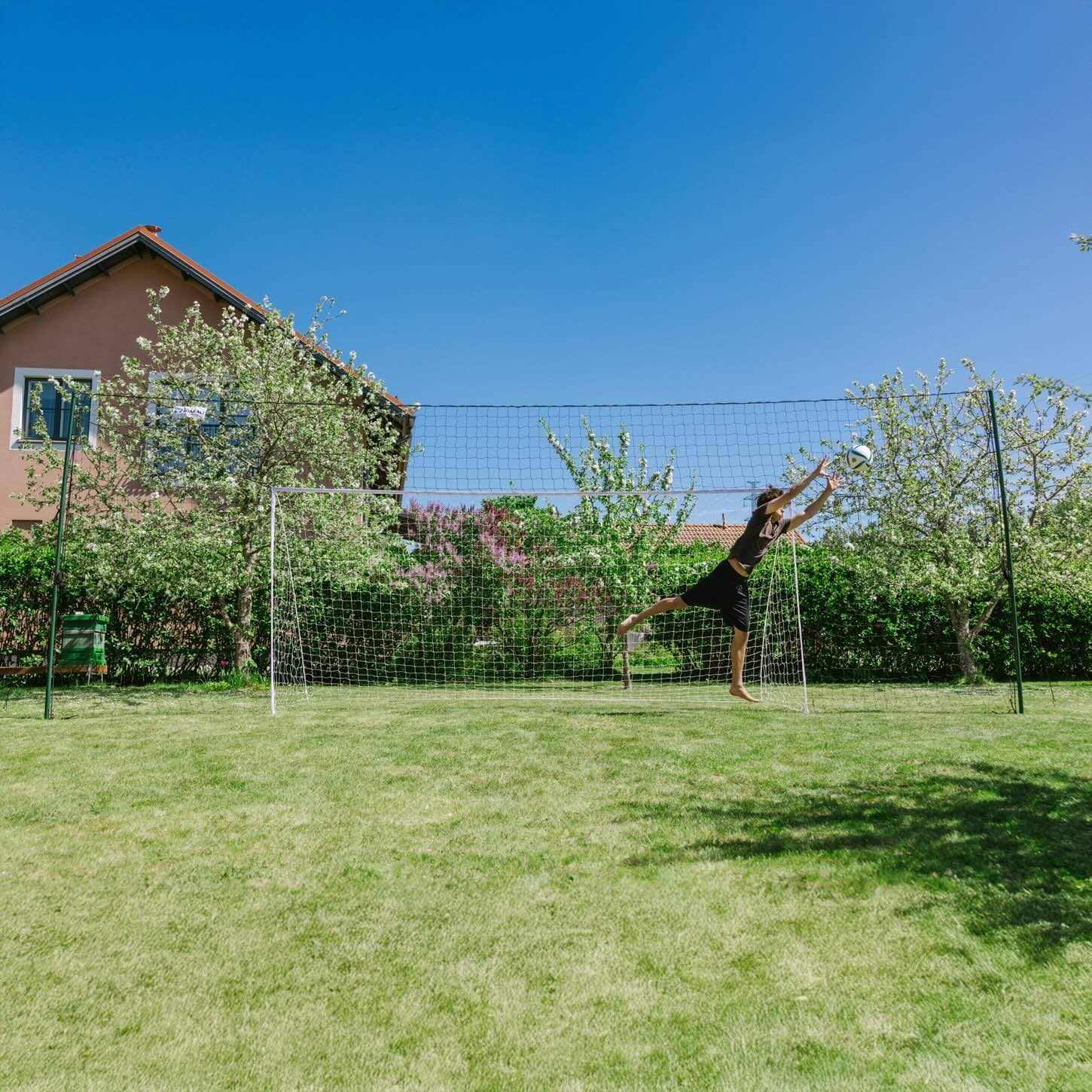
Backyards aren’t regulation pitches. They vary in size, shape, and surface. What’s clever about this system is how it adapts to those constraints rather than fighting them.
The extended netting acts as a boundary, which is particularly useful in suburban settings where space is limited. Instead of constantly worrying about breaking a window or losing a ball over a fence, players can focus entirely on their technique.
Parents tend to appreciate this just as much as players do. It’s not only about skill development—it’s about peace of mind.
And because the structure is designed to stay in place, it becomes a consistent training spot. That consistency matters more than people realize. Familiar surroundings help reinforce habits, whether it’s practicing finishing angles or working on weaker-foot shots.
The Subtle Psychology of Better Practice
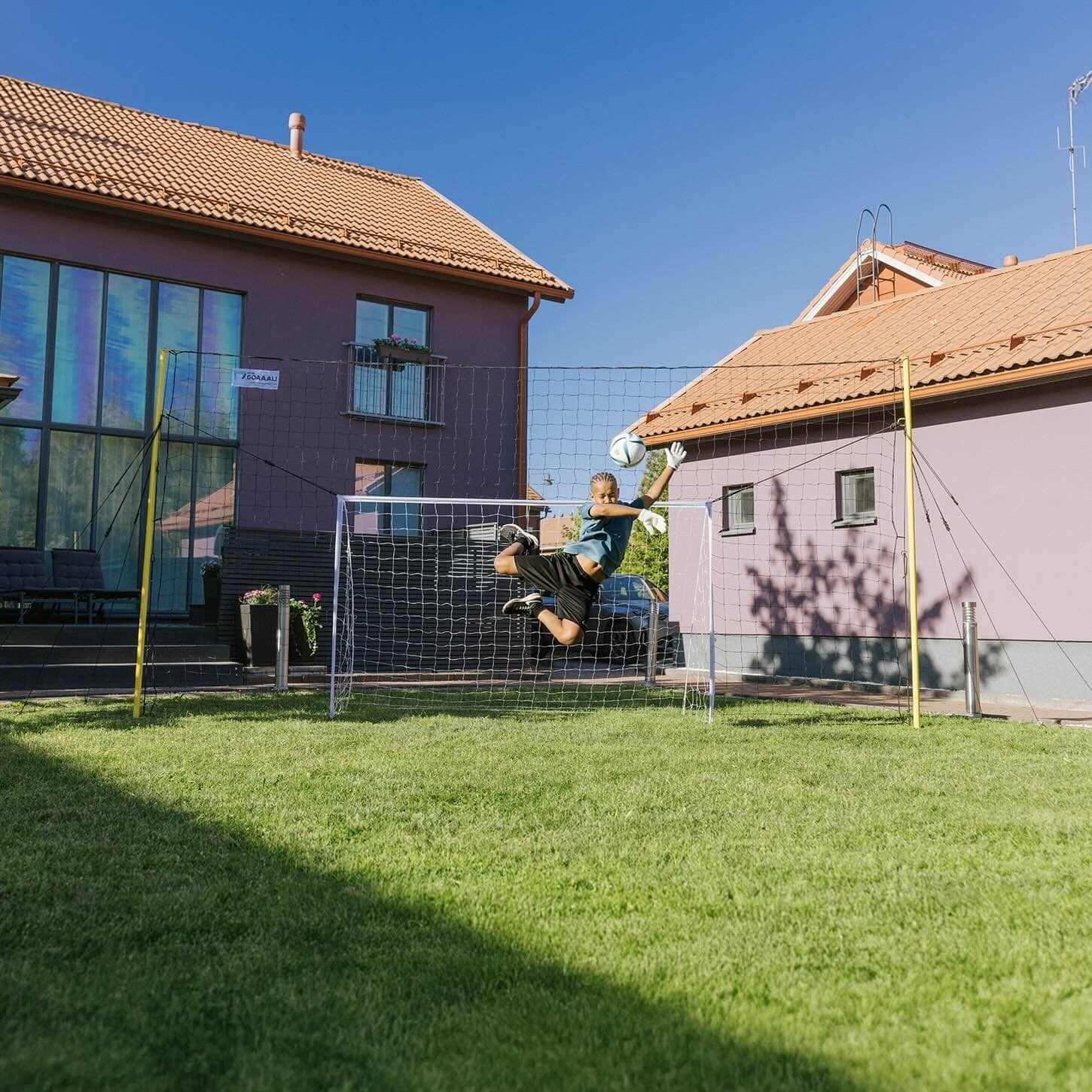
There’s a psychological side to training that often gets overlooked. When practice feels smooth and uninterrupted, players are more likely to stick with it. Friction—like constantly retrieving balls—breaks focus and motivation.
The Open Goaaal system reduces that friction to almost zero. You get into a rhythm, and suddenly 15 minutes turns into 45. That kind of engagement is where real improvement happens.
It also encourages experimentation. Players are more willing to try difficult shots or new techniques when they know they won’t spend the next minute chasing the ball down the street.
Who Benefits Most?
While it’s easy to picture younger players using it, the appeal is actually broader than that. Beginners gain confidence through repetition. Intermediate players refine their control and accuracy. Advanced players can use it for targeted drills that would otherwise require a partner.
Even casual players—those who just enjoy kicking a ball around after work—find value in the convenience. It turns a quick backyard session into something more satisfying and productive.
For families, it can become a shared activity space. One person shoots, another practices goalkeeping, and the system keeps everything contained and flowing.
Durability and Long-Term Use
Backyard equipment has to withstand a lot: weather, repeated impact, and occasional misuse. The Open Goaaal system is built with that reality in mind.
The materials are chosen to handle consistent use, and the structure is stable enough to stay reliable over time. It’s not something that feels temporary or disposable. Once it’s set up, it becomes a long-term fixture.
That longevity changes how people think about the purchase. It’s less of a seasonal item and more of an ongoing training investment.
Not Just for Practice Days
Interestingly, it doesn’t only shine during structured training. It also works well for casual play. Small-sided games, shooting competitions, or just spontaneous kicking sessions all benefit from the rebound and containment features.
It’s one of those rare pieces of equipment that bridges the gap between serious training and simple enjoyment. That versatility is part of what makes it so appealing.
And because everything stays within the netted area, the game keeps moving. No long pauses, no interruptions—just continuous play.
A Quiet Upgrade That Makes a Big Difference
At first glance, the Open Goaaal system might seem like a modest upgrade to a traditional goal. But in practice, the difference is significant.
It reshapes how players interact with the game at home. It removes small frustrations that add up over time. And it creates an environment where practice feels less like a chore and more like something you naturally want to do.
For anyone serious about improving—or simply enjoying more time on the ball—it’s a thoughtful addition to the backyard. Not flashy, not over-engineered, just genuinely useful in a way that becomes more obvious with every session.